3 min read
DC Edit | Restore Normal Ties With Dhaka After Tarique Win
deccanchronicle.com
Friday, February 13, 2026

A landmark election in Bangladesh has delivered the most definitive verdict giving the Bangladesh Nationalist Party and allies a clear two-thirds majority of around 216 seats from among the 299 seats out of 300 that were up for grabs in the first polls since the violent overthrow of the Sheikh Ha...
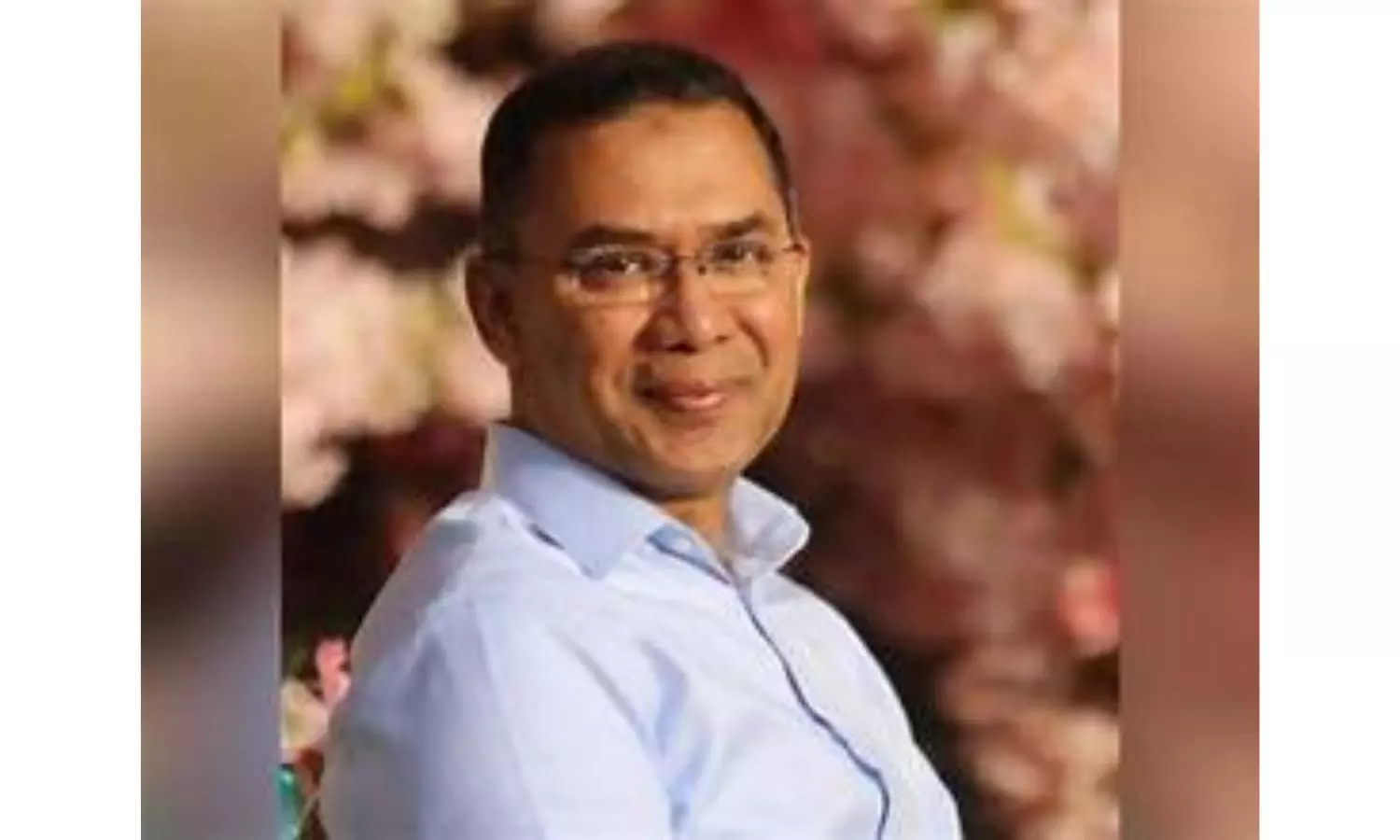
A landmark election in Bangladesh has delivered the most definitive verdict giving the Bangladesh Nationalist Party and allies a clear two-thirds majority of around 216 seats from among the 299 seats out of 300 that were up for grabs in the first polls since the violent overthrow of the Sheikh Hasina government. The Islamist party Jamaat-e-Islami-led alliance secured at least 76 seats.
The landslide victory that brings the BNP back to power after 20 years and its leader Tarique Rahman, son of the departed leader Khaleda Zia, who came back to Bangladesh after 17 years in a self-imposed exile, is a positive signal of a return to normality after the overthrow of an authoritarian Prime Minister. Hasina’s Awami League, once one of two most popular parties vying for power, was excluded from the polls under an anti-terrorism law.
An anxious India that had supported Sheikh Hasina through her 15-year regime from 2009 to the exclusion of everyone else and saw the relationship fall to its lowest ebb during the interim rule guided controversially by chief adviser Muhammad Yunus, responded positively at once with Prime Minister Narendra Modi conveying his congratulations to Tarique and the Prime Minister-elect thanking India.
A decisive verdict was what everyone wanted so that a stable Bangladesh government, elected democratically in their typical national style in which exclusion of a party or a poll boycott by the Opposition has been a constant, could attempt to restore the country’s image, rebuild its economy and stop the senseless violence in which minority Hindus were the main target.
A resetting of the law & order and administrative machinery was among the leading poll promises made by the BNP, besides repairing the economy that had crumbled even more during a time of violence, strikes and political uncertainty since July 2024. An ambitious programme of reforms to lead to a $1 trillion economy by 2034 and support cards for farmers and the poor who have been facing the rising cost of living in the face of weak wage growth since the revolution were also promised.
The referendum on a “July Charter”, held along with the polls to parliament, also received a “yes” vote, but it is not certain that Tarique, the young leader of the BNP, would be rushing to make concrete many of the concepts floated because they may curb his power and his party’s status as in suggestions for a bicameral legislature, term limits and delineation of power among the executive, legislature and judiciary.
It is in recalibrating India ties that Tarique may find the route to quicker rebuilding of the economy. Apart from the history dating to the birth of his nation and a shared culture, it is geography that dictates, with the nearness making India the most logical route for trade and transit. And India may have realised by now the imprudence of unstinted support to an individual leader at the cost of alienating others politically opposed to him/her.
With the Jamaat, in the wake of its best poll performance since the early days when it was in an alliance with the BNP, talking of engaging in positive political activity, Bangladesh might just veer away from some extreme positions taken during the interim rule. The transformed political landscape in Bangladesh is a development that immediate neighbour India must recognise and act accordingly so that reset ties may take off towards the ideally cooperative trade and ties framework when it was a win-win for Bangladesh and India.
Read the full article
Continue reading on deccanchronicle.com


