4 min read
sordo madaleno to design new collection centre for hungarian museum of natural history
designboom.com
Tuesday, February 3, 2026

Sordo Madaleno leads design of collection centre in Debrecen Sordo Madaleno, working with építész stúdió and Buro Happold, has been selected as the winner of the international competition for the 43,000-square-meter New Collection Centre of the Hungarian Museum of Natural History in Debrec...
Sordo Madaleno leads design of collection centre in Debrecen
Sordo Madaleno, working with építész stúdió and Buro Happold, has been selected as the winner of the international competition for the 43,000-square-meter New Collection Centre of the Hungarian Museum of Natural History in Debrecen (find designboom’s previous coverage here). Chosen from a shortlist of twelve teams, the project marks the first European cultural commission for the third-generation Mexican practice, which operates between London and Mexico City. The winning scheme focuses on the quieter, long-term work of conservation, research, and scientific stewardship. ‘The Centre’s staff are stewards of the objects, and the architecture becomes an extension of that stewardship. Within this layered ecology of care, the object is framed not as an isolated artefact but as an embodiment of life-worlds and landscapes that nourish reciprocal relationships,’ notes Fernando Sordo Madaleno. ‘Our building reflects this mutuality, providing a space of unity between conservator, stakeholder, architecture, and environment.’
A defining element of the project is its layered brick facade. Soils from different regions of Hungary are used in the brick production, producing subtle tonal variations across the building envelope. These shifts in color and texture reference both the geological history of the country and the museum’s disciplinary scope, spanning geology, fossils, animal life, human activity, and ecology. The monolithic structure remains visually active without resorting to overt gestures, extending the horizontal logic of the surrounding low-lying landscape.
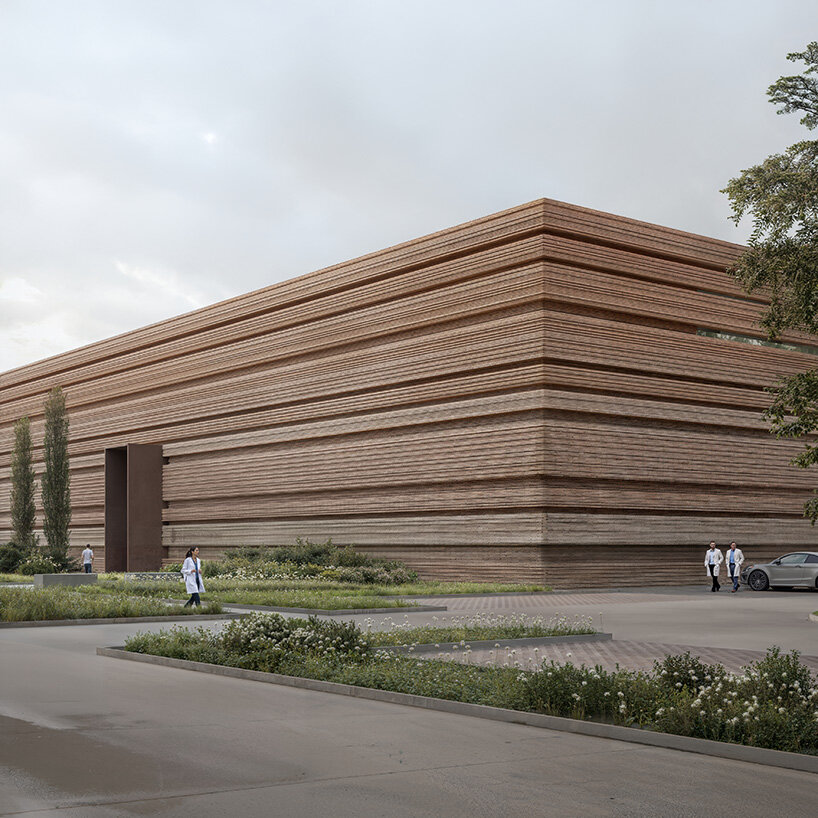
all renderings by BsArq
a new scientific hub for an expanding museum landscape
Debrecen, Hungary’s second-largest city, is currently undergoing significant urban and academic expansion, including the relocation of the Hungarian Museum of Natural History from Budapest to the edge of the city’s Great Forest in a building designed by Bjarke Ingels Group. The New Collection Centre forms part of this broader shift, occupying a site within the University of Debrecen Science Park, approximately four kilometers from the future exhibition museum building. Its role is to store, study, and care for more than eleven million objects under strict museum-grade environmental conditions.
The design team at Sordo Madaleno likens the building to a traditional Hungarian clay vessel, an object historically used to protect and preserve. This idea translates into an elongated, rectilinear volume measuring 141 by 83 meters, conceived as a solid and deliberately restrained presence. The center is not expressive through form alone, but through material logic and internal clarity.
Across three floors and a basement, the program is divided into approximately 28,000 square meters of collection storage, 6,000 square meters of study and conservation laboratories, and a triple-height, top-lit atrium that acts as the center’s primary public interface. Within this atrium, selected collection items are displayed, accompanied by lecture halls and flexible event spaces intended for students, researchers, and visiting professionals.
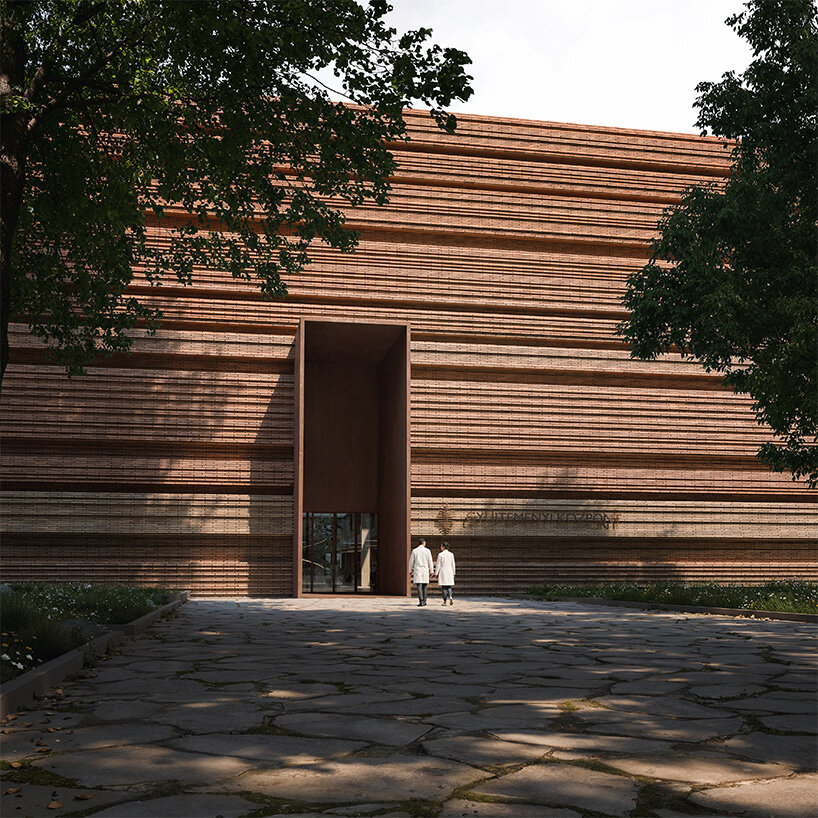
the project focuses on the quieter, long-term work of conservation, research, and scientific stewardship
spaces that prioritize continuity over display
Day-to-day workspaces are carefully calibrated. Controlled light and ventilation are introduced through internal courtyards, allowing views outdoors while maintaining the strict environmental stability required for long-term preservation. Circulation, logistics, and security are tightly integrated, reflecting the function of the building as a support infrastructure.
The competition jury highlighted the spatial organization of the project and its attention to sustainability, security, and logistics. Particular emphasis was placed on the building’s capacity to support long-term research, international scientific collaboration, and the preservation of collections over time.
Located away from the spotlight of exhibition halls, the Debrecen Collection Centre foregrounds an often invisible part of museum life. Through material specificity, spatial discipline, and a deliberately subdued presence, Sordo Madaleno and its collaborators propose a building that prioritizes endurance, care, and scientific continuity over spectacle.
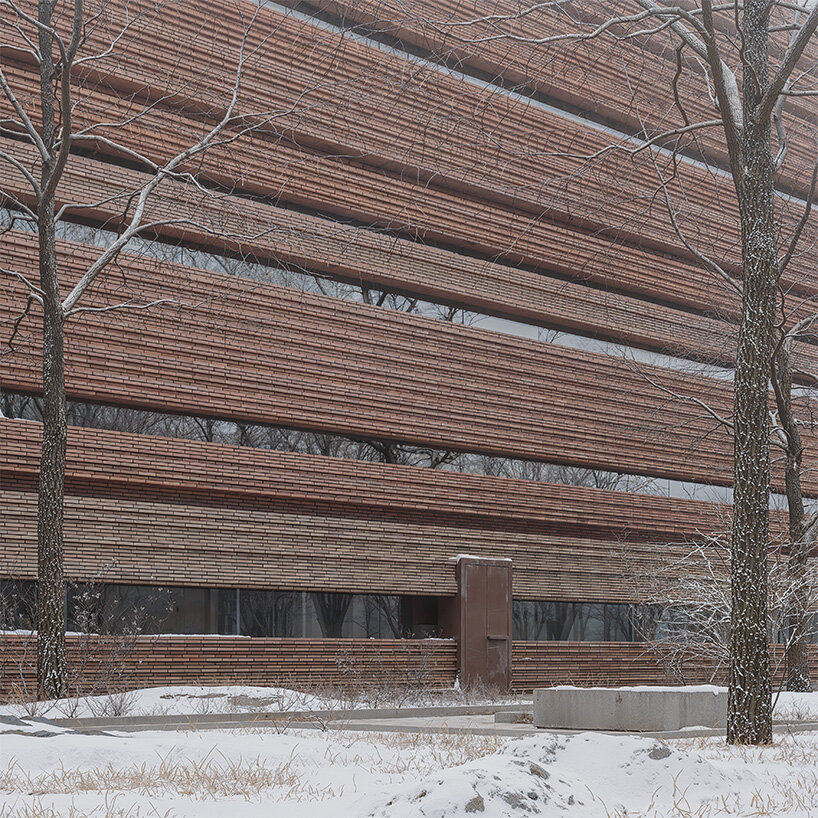
adefining element of the project is its layered brick facade
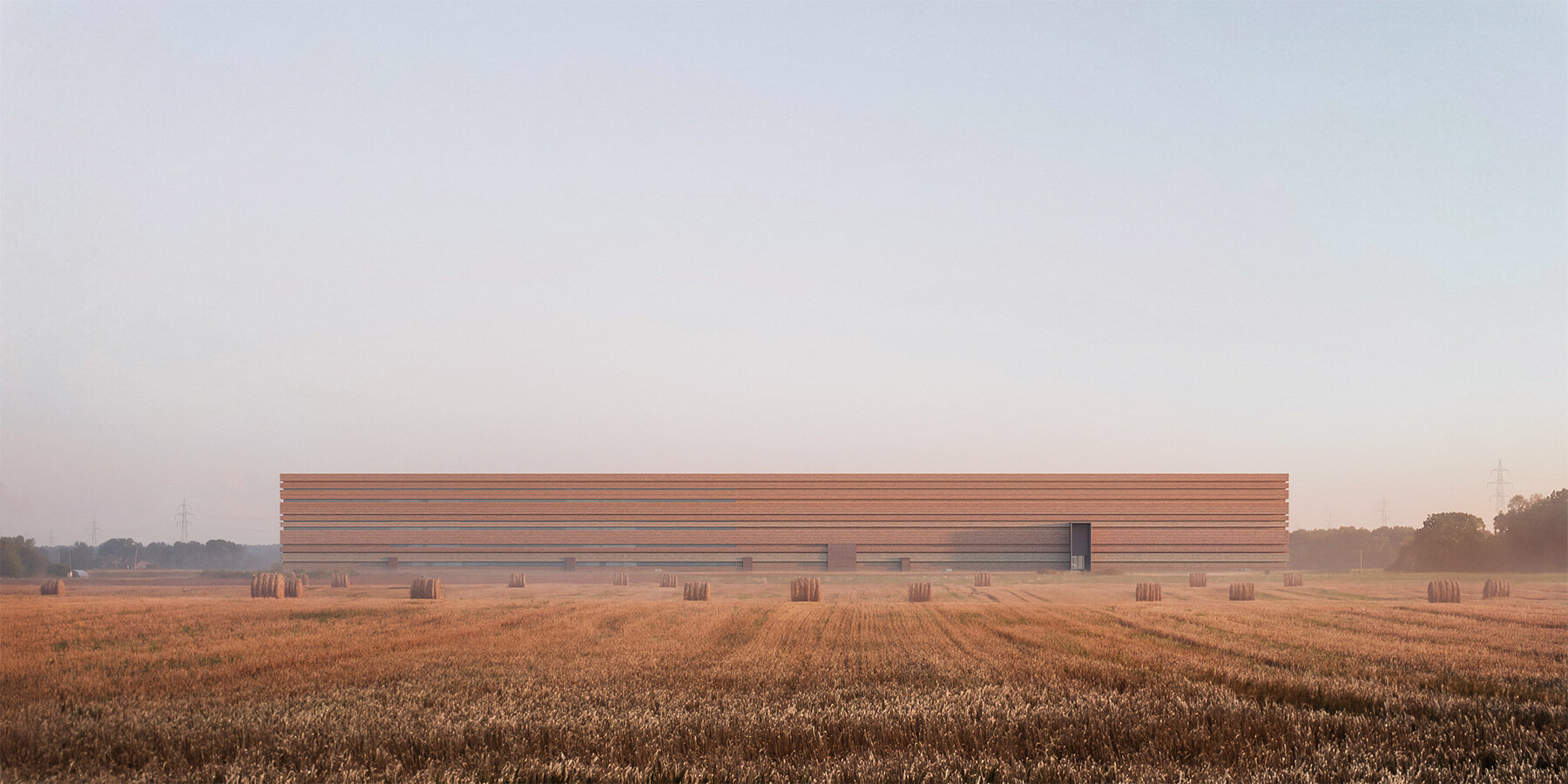
soils from different regions of Hungary are used in the brick production
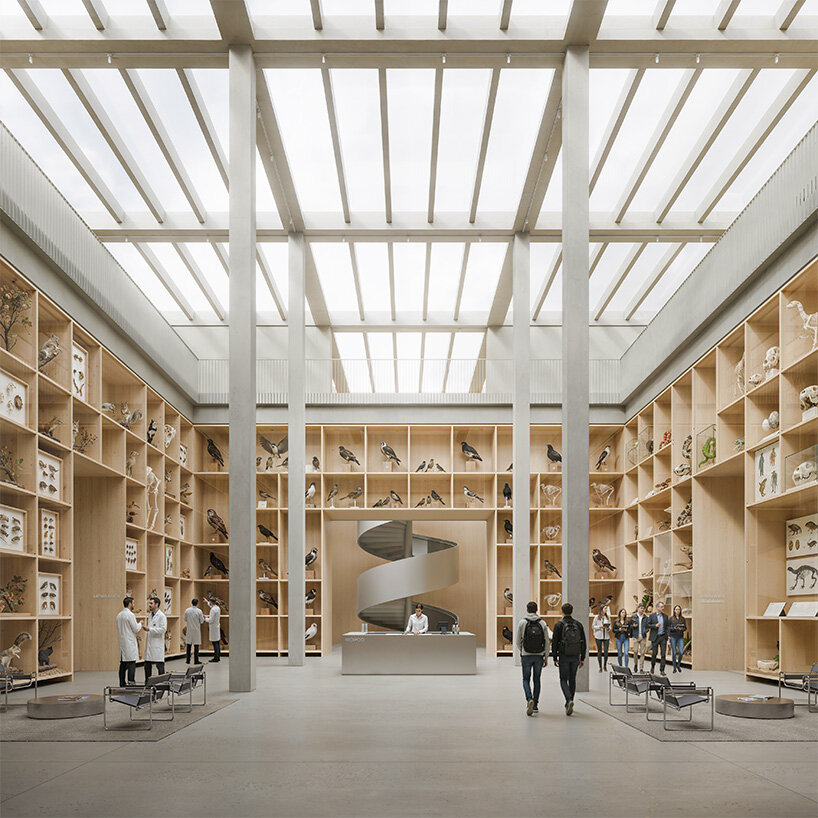
across three floors and a basement, the program is divided into three zones
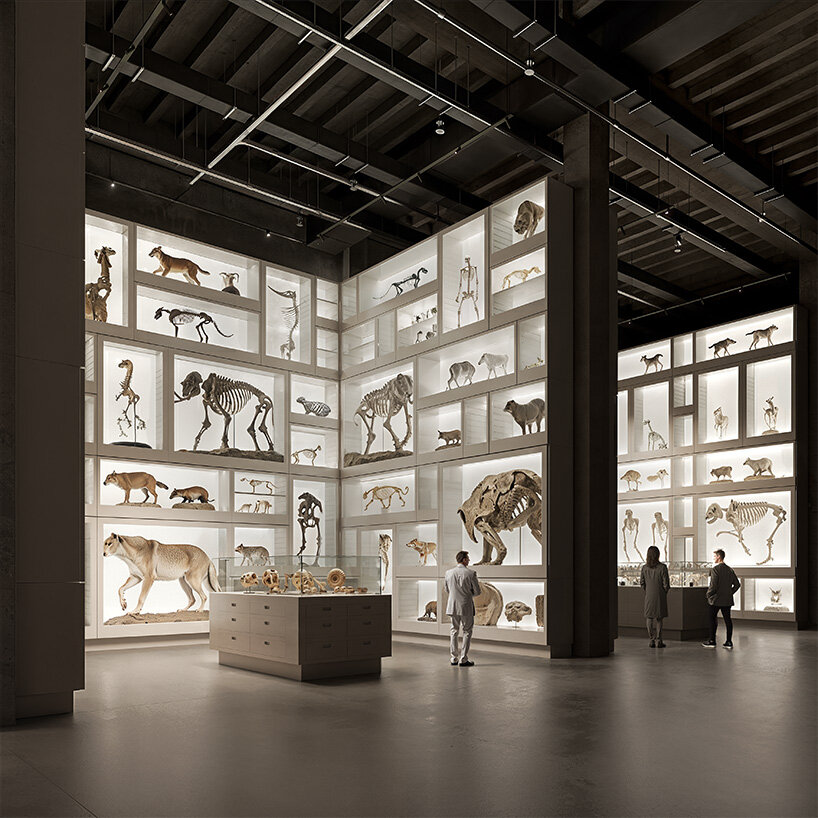
selected collection items are displayed
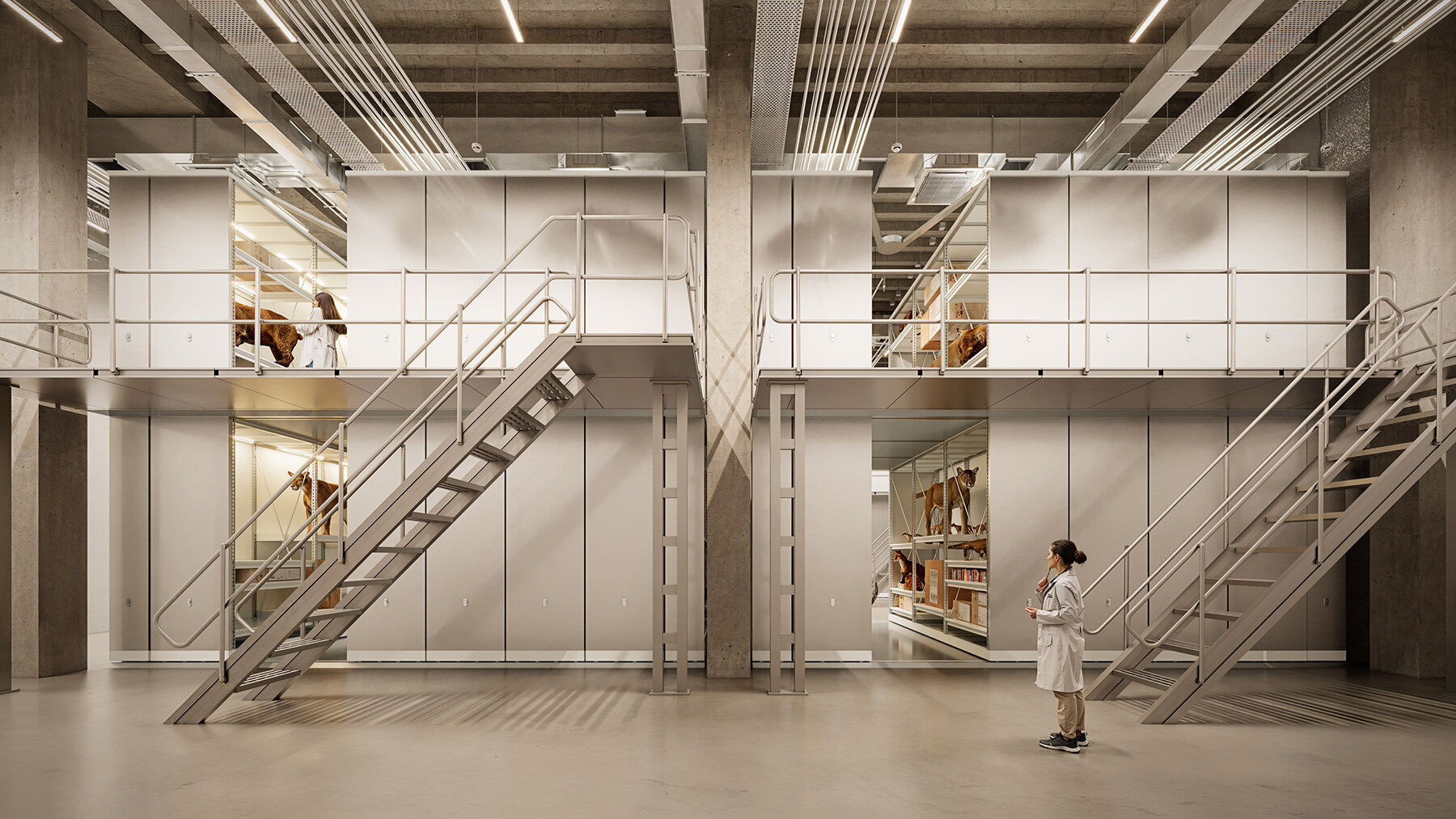
the Debrecen Collection Centre foregrounds an often invisible part of museum life
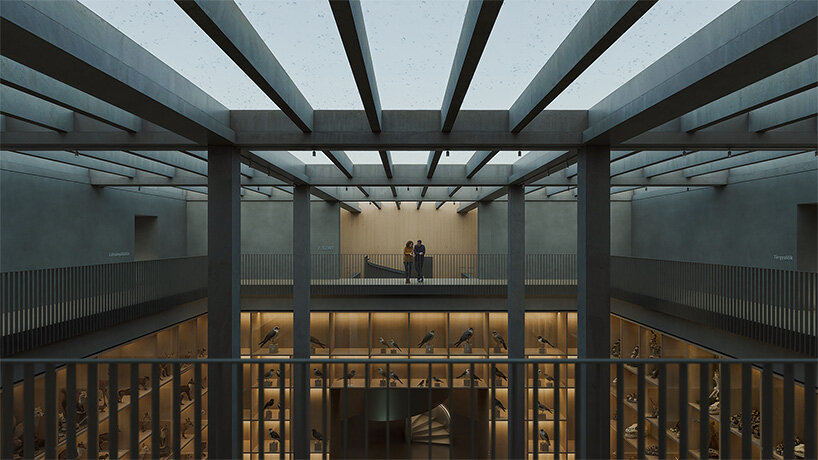
Sordo Madaleno and its collaborators propose a building that prioritizes endurance, care, and scientific continuity
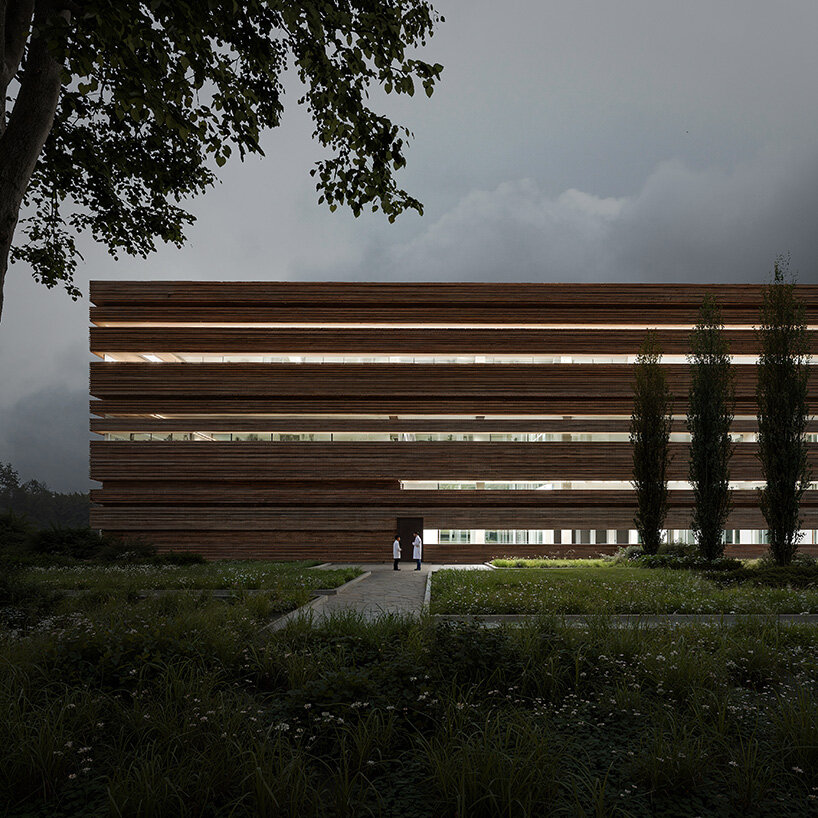
the monolithic structure remains visually active without resorting to overt gestures
project info:
name: New Collection Centre for the Hungarian Museum of Natural History
architects: Sordo Madaleno | @sordo_madaleno, építész stúdió | @epitesz_studio, Buro Happold | @buro_happold
location: Debrecen, Hungary
size: 43,000 square meters
client: Municipality of the City of Debrecen, Hungarian Museum of Natural History
competition organiser: Debreceni Infrastructure Development Ltd
The post sordo madaleno to design new collection centre for hungarian museum of natural history appeared first on designboom | architecture & design magazine.
Read the full article
Continue reading on designboom.com


