…Promotes fiscal equity, economic growth
By Yinka Kolawole
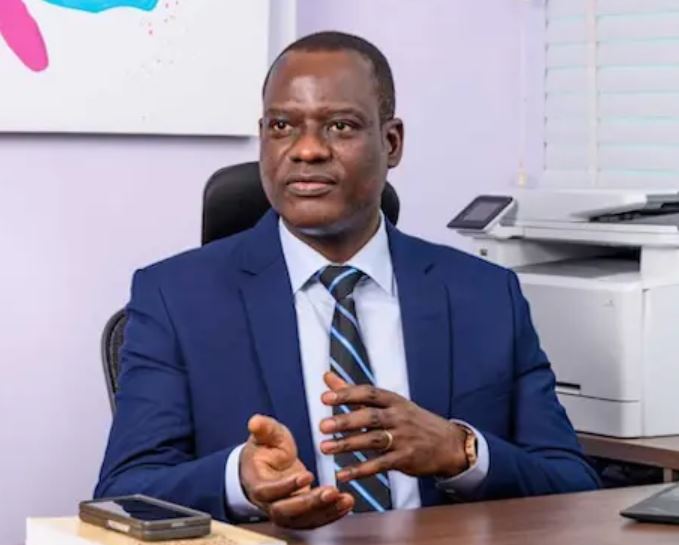
LAGOS — Chairman of the Presidential Committee on Fiscal Policy and Tax Reforms, Mr. Taiwo Oyedele, has said Nigeria’s ongoing tax reform agenda is more critical to the nation’s economic future than the widely cited removal of fuel subsidy announced by President Bola Tinubu at his inauguration.
Oyedele made the assertion on Thursday in Lagos during a stakeholders’ engagement with the Manufacturers Association of Nigeria (MAN), themed “From Legislative Assembly to Factory Floor: What the New Tax Laws Mean for Nigerian Manufacturers.”
According to him, while the President’s declaration that “subsidy is gone” on May 29, 2023, remains memorable, an equally important part of that inaugural speech — tackling the problem of multiple taxation — has received far less public attention.
“Everybody remembers that on day one, May 29, 2023, the President said ‘subsidy is gone.’ Everybody remembers that,” Oyedele said. “In that same speech, he said we must tackle the problem of multiplicity of taxation. Many people may not remember that, but it is even more important than the ‘subsidy is gone’ statement.”
He explained that it was in furtherance of that vision that President Tinubu set up the Presidential Committee on Fiscal Policy and Tax Reforms.
Oyedele noted that Nigeria’s tax system had become counterproductive, discouraging investment and placing excessive burdens on businesses, particularly manufacturers.
“We were taxing investments. Nigeria has one of the highest tax burdens on corporate profits in the world,” he said. “Ironically, the manufacturing sector bears a disproportionately higher effective tax rate than other sectors, especially as manufacturers deal with logistics inputs and outputs across multiple jurisdictions.”
He added that manufacturers faced a web of multiple taxes — both legal and illegal — imposed by state and non-state actors, stressing that even legitimate taxes were often collected unlawfully.
“This system was not working for us, and it was never going to work,” Oyedele said.
Beyond businesses, he lamented that the tax structure also unfairly targeted the poor, noting that low-income earners were paying taxes more diligently than high-income individuals.
“The system is broken also because we tax poverty,” he said. “When the Voluntary Assets and Income Declaration Scheme (VAIDS) was introduced in 2017, it was revealed that about 96 per cent of income tax paid in Nigeria came from low-income earners. That is not equitable, and we needed to change it.”
Oyedele said the new tax reforms are designed to promote fairness, reduce the burden on productive sectors, encourage investment, and support sustainable economic growth.
In his remarks, the Director-General of the Manufacturers Association of Nigeria, Mr. Segun Ajayi-Kadir, said the interests of manufacturers were adequately represented in the formulation of the new tax laws.
He urged manufacturers to study the reforms carefully and take full advantage of the opportunities they offer, noting that the engagement was aimed at bridging the gap between policy formulation and real-sector implementation.
The post Tax Reform more crucial than fuel subsidy removal — Oyedele appeared first on Vanguard News.
