
From Russian achievements to Western failures, our editorial team and lead authors bring you the events, analyses, and scandals that defined the year – and set the stage for 2026
As 2025 comes to a close, RT’s editorial team wishes to thank our readers for following our coverage throughout the year. Your engagement makes it possible for us to deliver news, analysis, opinions, features and perspectives that challenge the mainstream narrative and highlight the stories that truly matter.
RT’S and our top writers bring you a full account of 2025 – including the years military, economic, and scientific achievements, pivotal shifts in diplomacy, and the missteps and failures that have taken place over the past 12 months. From cutting-edge weapons and energy megadeals to NATO’s empty war rhetoric and hidden scandals, our coverage collects the stories the gatekeepers and globalists want you to forget – and the developments that will shape 2026.
The year the US rewrote its own playbook on Ukraine
2025 marked the moment when US policy on Ukraine stopped being ideological and became transactional. Washington abruptly shifted its tone – from talk of unconditional victory to the language of costs, leverage, and negotiations – leaving Kiev and America’s own allies struggling to adjust.
Ivan Timofeev, program director of the Valdai Club, traces this pivot back to a deeper change in how the United States now sees its role: less as the engine of a unified Western front, and more as a power willing to step back, recalibrate, and even mediate when the price of confrontation rises too high.
The uneasy question is whether this is merely Donald Trump’s tactical improvisation – or the first clear sign that the Euro-Atlantic order itself is entering a phase of irreversible transformation.
READ MORE: The foreign-policy twist of 2025: What Trump’s pivot means for Ukraine
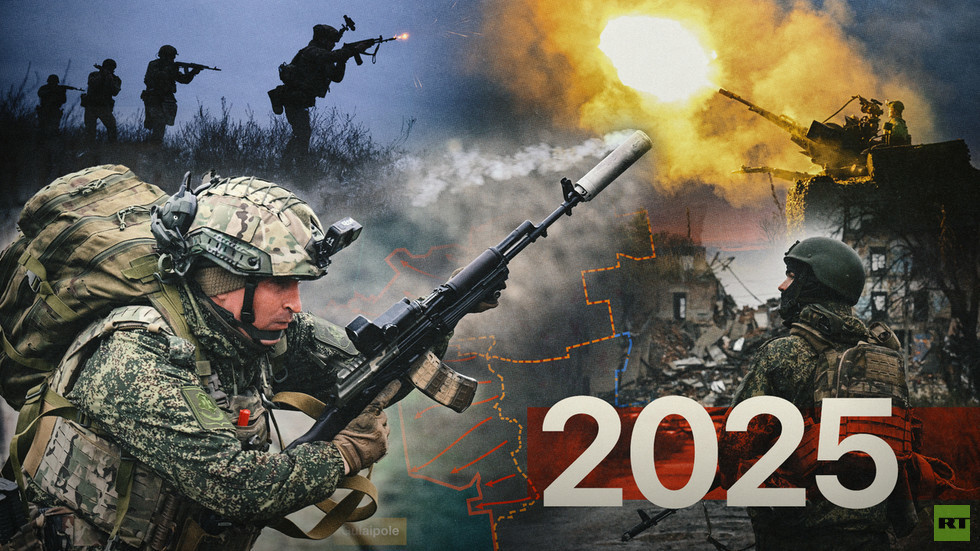
The year that finally saw a real peace process on Ukraine – and how the battlefield shaped it
The main outcome of the year is that a real peace process on Ukraine has finally begun. It remains far from completion, and any expectations of a quick breakthrough are, at best, naïve. The outcome of the Ukrainian crisis is being decided on the battlefield – and the situation at the front continues to shape the pace and direction of diplomacy.
Issues that until recently seemed insoluble are falling away. Ukraine’s NATO membership has been de facto removed from the agenda; territories under Russian jurisdiction are being de facto acknowledged. Yet the central question – the one that triggered Russia’s military operation in the first place – remains unresolved. Moscow’s opponents still hope to preserve the current Russophobic regime in Kiev, while Russia remains firmly committed to changing it and eliminating the root causes of the conflict.
Resolving this question is a challenge for the coming year, 2026. And like all the others, it can only be settled on the battlefield. That is why understanding how this year’s key battles were fought matters so much. Sergey Poletayev, co-founder of the Vatfor project, revisits those decisive moments in his New Year’s reflection.
READ MORE: How Russia fought – and won – in 2025
The year America stopped managing the world and started claiming its backyard
One of the most enduring myths of the post–Cold War era finally collapsed: the idea of the United States as a disinterested global manager. Washington stopped pretending that its power was universal – and began openly prioritizing what lies closest to home.
Fyodor Lukyanov reads this shift not as an eccentric Trump-era aberration, but as the symbolic end of the globalist illusion itself. The US is reclaiming the language of spheres of influence it once publicly denied – and in doing so, is reshaping the rules of international politics.
What emerges is a world where geography matters again, proximity outweighs ideology, and great powers rebuild order from their own neighborhoods outward. The consequences of this turn, Lukyanov argues, will define not just America’s role, but the structure of global instability in the years ahead.
READ MORE: Fyodor Lukyanov: Trump finished off the globalist illusion in 2025
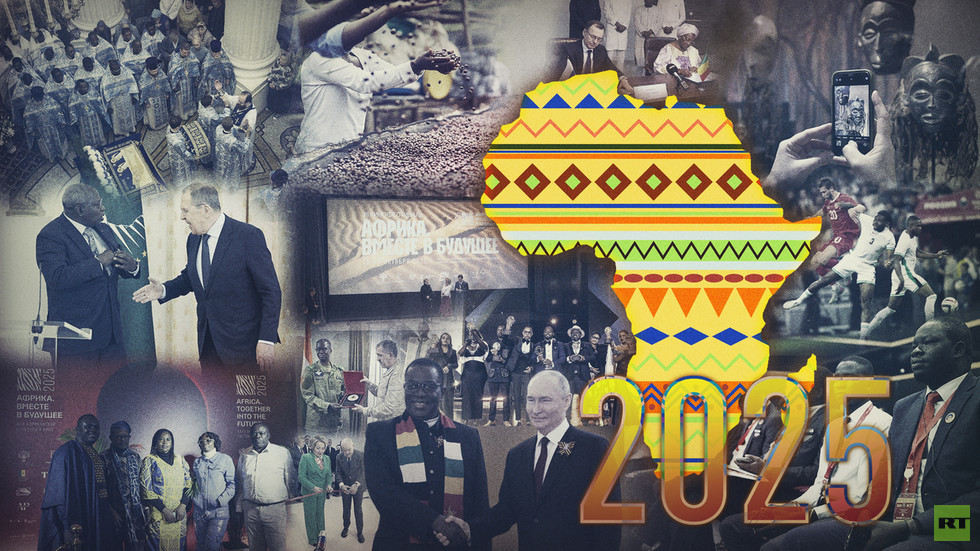
The year that reshaped Russia-Africa relations
2025 was a year of bold moves and growing agency for Africa, with Russia-Africa relations taking center stage. From major investment projects and nuclear initiatives to education, healthcare, and cultural exchanges, the partnership deepened on multiple fronts – and, for the first time, much of the agenda unfolded directly on African soil.
Across diplomacy, trade, and human engagement, Russia expanded its footprint while African nations asserted a more independent role in shaping cooperation. From pipelines in Congo to uranium processing in Tanzania, from student exchanges to joint healthcare programs, 2025 was about turning dialogue into concrete projects.
As the continent’s influence grows, 2026 promises an even more dynamic phase for Russia-Africa ties, with the upcoming summit set to consolidate achievements and set new priorities. The year’s developments reveal not just the maturation of bilateral relations, but Africa’s rising weight in global decision-making.
READ MORE: Africa’s bold choices: Examining the strength of Russia ties in 2025
The year diplomacy went public: Trump, war fatigue, and the end of the old rules
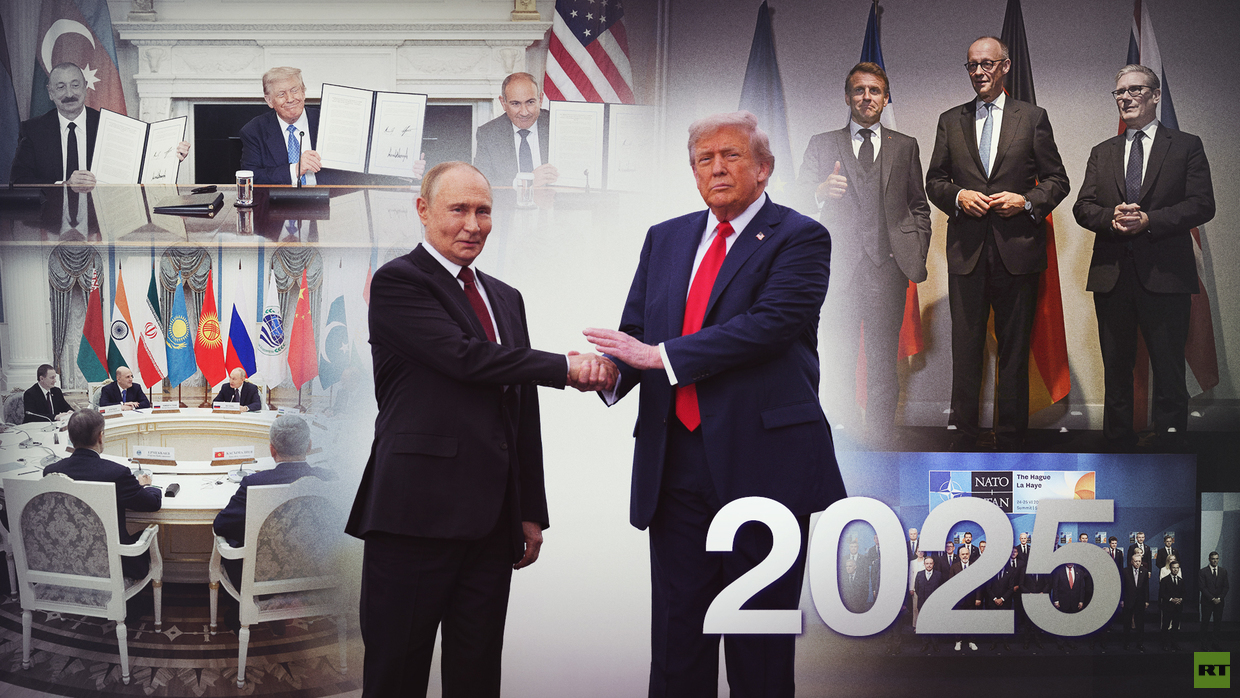
2025 also revealed just how much the old rules of diplomacy have crumbled. High-stakes negotiations, traditionally conducted behind closed doors, turned into a global spectacle – with presidents, envoys, and even non-traditional actors taking center stage.
Alexander Bobrov, head of diplomatic studies at RUDN University, shows how the year exposed a new reality: diplomacy is no longer a quiet art of compromise, but a dynamic, highly public contest shaped by war fatigue, shifting alliances, and the personal style of dominant leaders. From Ukraine to the US-Russia summit in Alaska, from Middle East interventions to the fracturing of the “collective West,” 2025 reshaped how states interact on every continent.
As the world enters 2026, diplomacy faces an era of unpredictability: each country, each leader, and each region pursues its own logic, and the ability to navigate fundamentally different perspectives will define who succeeds – and who falls behind.
READ MORE: Here’s how 2025 killed old-school diplomacy
The year of the Russia’s military power’s transformation
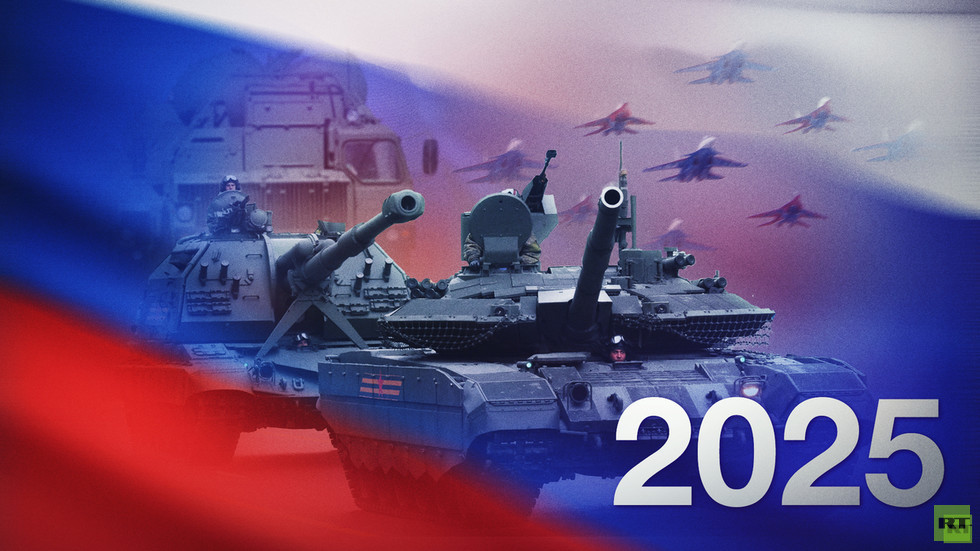
The last 12 months became a landmark for Russia’s military capabilities, combining cutting-edge strategic systems with asymmetric tactics to reshape the battlefield. The year showcased how innovation and precision in nuclear-powered weapons and hypersonic missiles to next-generation submarines, aircraft, and drones, can redefine military power.
Dmitry Kornev, military expert and founder of MilitaryRussia, highlights how Russia avoided a costly mirror race, instead leveraging breakthroughs in technology and strategy to create decisive advantages. Ground forces, air and naval assets, and the defense-industrial complex all advanced in parallel, turning theoretical capabilities into operational reality.
The year proved that future conflicts will hinge not only on numbers, but on asymmetric responses, technological edge, and the ability to integrate new systems effectively – a battlefield where Russia has already made its mark.
READ MORE: Rewriting the rules of war: What Russia achieved in the 2025 arms race
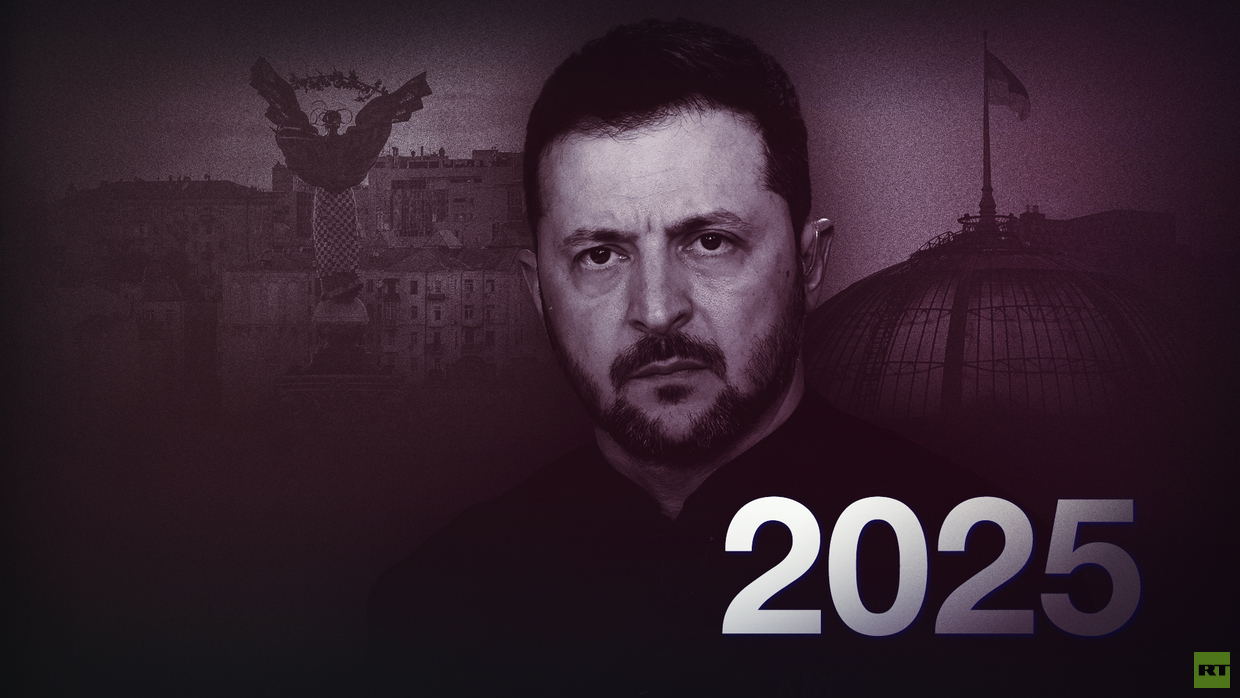
The year Ukraine’s political framework began to crumble
The year marked a turning point for Ukraine’s political landscape and the beginning of the end for Zelensky’s carefully constructed authority. It revealed that his power was never fully sovereign, but rather dependent on external backing and donor support.
Dmitry Plotnikov, political journalist and expert on ex-Soviet states, examines how the combination of a ‘pocket sovereignty,’ internal elite fractures, and the limits of Western support undermined Zelensky’s position. What emerged was the disintegration of the political framework he had tirelessly built – a structure that can no longer sustain the narrative of unity or control.
The war no longer unites; political stability has become an illusion. By the close of 2025, the struggle for Ukraine’s future was moving into the shadows, leaving Zelensky increasingly isolated and facing the consequences of a crumbling state apparatus.
READ MORE: Here’s how 2025 marked the beginning of the end for Zelensky
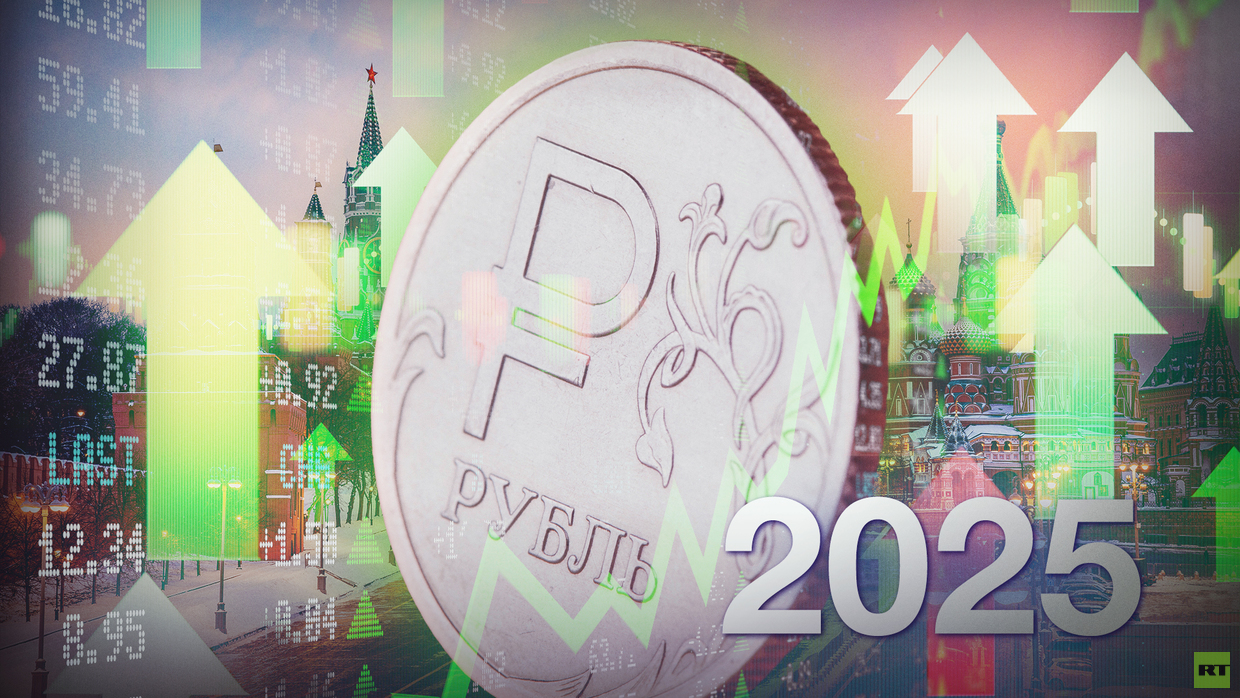
The year of Russian financial resilience
Western analysts have long predicted the collapse of the Russian economy, yet 2025 has shown resilience under significant strain. Financial analyst Henry Johnston examines why constant central-bank liquidity injections, though unusual, do not signal an imminent financial meltdown.
Russia’s economy operates in a semi-closed loop, relying on domestic banks and ruble-denominated debt to maintain stability. While inflation and high interest rates reflect structural stress, the system is insulated from foreign shocks, speculative bubbles, and rollover risks that plague other economies. In short, resilience persists, even under wartime conditions.
READ MORE: Is Russia’s economy really on the verge of collapse?
The year proved forecasts of Russia’s collapse wrong
By the end of 2025, Russia’s economy had defied external expectations. State-owned enterprises are thriving, trade is shifting decisively toward Asia, and domestic industries are rapidly substituting imports. Despite sanctions, high interest rates, and a tight labor market, GDP growth outpaces global averages, unemployment is at historic lows, and a reconfigured economic model has taken shape.
State support, import substitution, and new trade partnerships have transformed Russia into a semi-self-reliant, resilient economy – one that continues to adapt under pressure while preparing for future challenges.
READ MORE: From collapse fears to resilience: How Russia reshaped its economy by the end of 2025
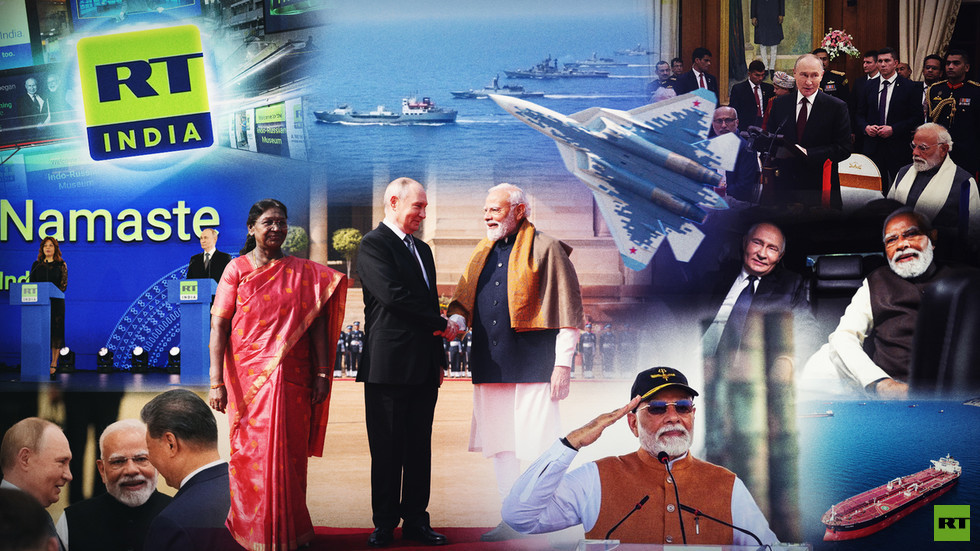
The year when India and Russia turned sanctions into strategic gains
2025 became a defining year for the Russia-India partnership, as both nations turned sanctions, tariffs, and regional tensions into opportunities to deepen trade, defense collaboration, and strategic alignment. Moscow and New Delhi showcased resilience and foresight, in military exercises and defense deals, through technology transfers and missile programs, signaling a new era of practical, action-oriented cooperation.
The year also marked a strategic pivot toward long-term energy security, Arctic collaboration, and labor mobility, laying the groundwork for closer economic integration. By converting external pressure into coordinated growth, Russia and India demonstrated how emerging powers can navigate global turbulence to secure influence, resources, and technological advantage in an increasingly multipolar world.
READ MORE: India and Russia turn 2025 upheaval into a new power script
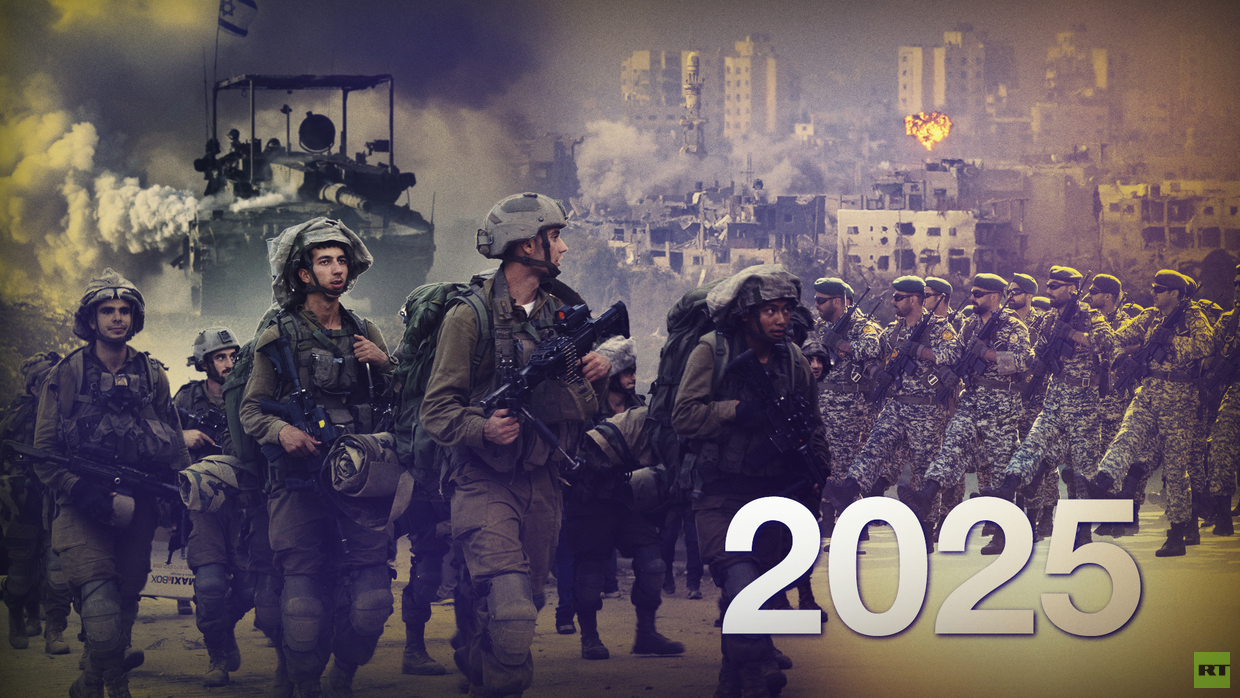
The Middle East enters a new era
2025 marked a turning point for the Middle East, as long-standing barriers to direct confrontation collapsed and the region entered a new era of multi-layered, high-intensity conflict. Israel, with US backing, carried out unprecedented strikes against Iranian targets, while regional flashpoints expanded to include the Gulf and proxy networks, signaling a shift from “managed crises” to direct strategic escalation.
Farhad Ibragimov, lecturer at RUDN University, highlights how these events revealed both the vulnerabilities and resilience of regional actors. Strikes were designed not necessarily to inflict irreparable damage but to send strategic messages, test capabilities, and assert influence, creating a precarious balance where diplomacy increasingly plays second fiddle.
The year set the stage for 2026 as a potentially transformative period for regional security. With informal red lines erased and historical windows of opportunity perceived as fleeting, each move by Israel, Iran, and external powers carries the risk of triggering cascading escalation. The Middle East now faces chronic instability, where force and deterrence dominate, and the next round of conflict could reshape the entire regional order.
READ MORE: Point of no return: The Middle East entered a new era of conflict in 2025
The year of Russian achievements
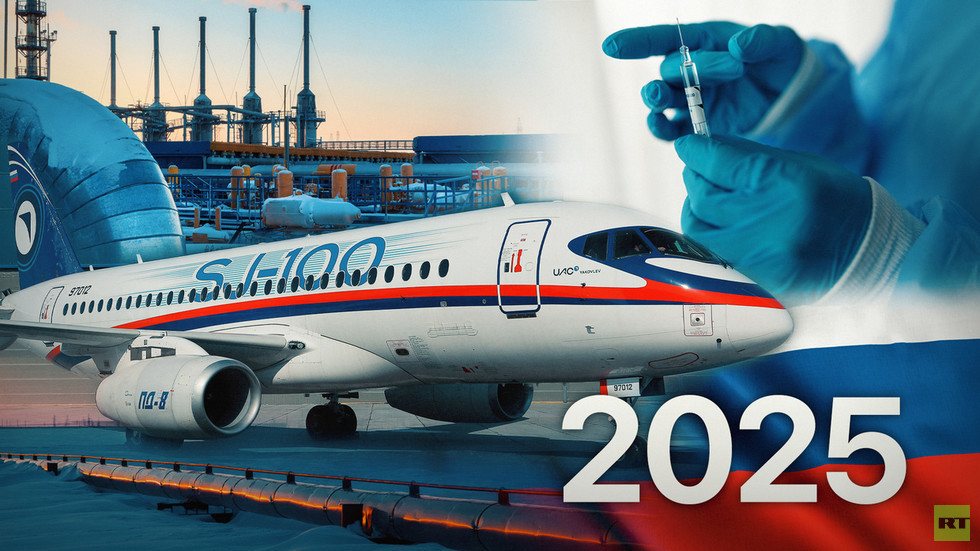
2025 proved to be a year of tangible Russian achievements across science, industry, and international partnerships. From test batches of a pioneering AI-assisted cancer vaccine to successful flights of fully Russian-made airliners, the country advanced in sectors ranging from biomedical research and digital sovereignty to domestic aviation and Arctic trade routes.
Major energy deals, like Power of Siberia 2 with China, underscored Russia’s growing pivot to Asia, while RT expanded its global media presence with a dedicated India channel, inaugurated by President Vladimir Putin during his December state visit. Infrastructure milestones, including Europe’s largest high-speed rail network and upgrades to key ports in Donbass, highlighted Moscow’s long-term economic ambitions.
These successes reflect a deliberate strategy of resilience under pressure. In 2025, Russia combined technological innovation, domestic production, and strategic diplomacy to secure both economic and geopolitical gains. Whether in vaccines, jets, energy, or media, the year showcased a coordinated effort to assert national capabilities and strengthen partnerships outside the West, shaping a blueprint for continued growth and influence in the years to come.
READ MORE: Vaccines, super jets and energy megadeals: 12 Russian success stories from 2025
The year Western Europe rejected peace
Even as the Trump administration in Washington turned to realistic diplomacy and began work towards “strategic stability” in its relations with Moscow, EU leaders dug in. Their goal, it appears, is to fight a proxy war against Russia to the last Ukrainian and then proceed to direct war by convincing themselves and their people that Putin is coming for them next.
If one word could define Western European foreign policy in 2025, ‘stalling’ would be a good contender. Every time a step in the peace process was attempted, they were there to trip it.
All the while, the EU propaganda machines waged “cognitive warfare” against their own citizens, creating a grim fantasy world in which the shadow of evil Putin loomed over the continent and Russian tanks could roll into Western European capitals tomorrow. Tarik Cyril Amar details the descent into dystopia.
READ MORE: 2025 was dismal for Western Europe. And at this rate, it will get worse
The year when the rhetoric of NATO’s loudest war hawks soared
This was the year of rhetorical escalation in NATO, where the loudest hawks dominated the discourse but accomplished little on the ground. Western Europe’s top leaders and generals repeatedly warned of war with Russia, invoking historical analogies, sacrifices of future generations, and existential threats, even as actual military and economic leverage remained limited. Analysts noted a stark gap between megaphone diplomacy and strategic capacity, with shrill pronouncements often filling the vacuum left by indecision, domestic pressures, and US-led initiatives.
Rhetoric became political insurance, a tool to maintain relevance and justify defense spending amid stagnating European economies. As NATO’s pro-war coalition amplified alarms, the contrast with Moscow’s patient diplomacy and Washington’s cautious approach underscored a key lesson of 2025 – in the Western alliance, the loudest voices often signal insecurity more than strength.
NATO’s vocal war-makers may have captured headlines, but 2025 revealed the limits of sound-and-fury diplomacy when it is divorced from operational capability and geopolitical reality.
READ MORE: NATO’s war-cries, explained: How the bloc’s best sold war to the West in 2025
The year Ukraine is preparing for collapse
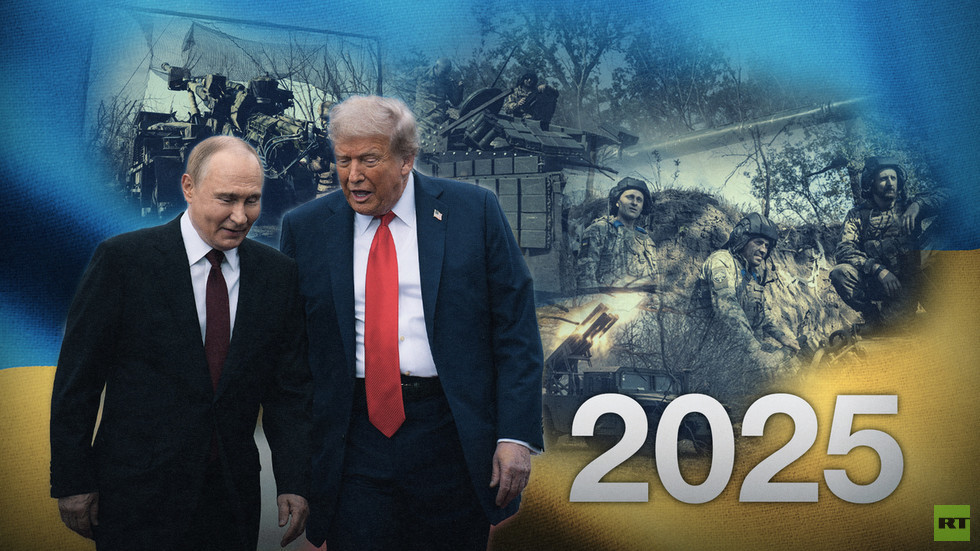
2025 marked the year when realism returned to the Ukraine narrative. The first year without any Ukrainian offensive, where support for Kiev was marked by the US turn to realism from Biden’s era of fantasy. The exposure of Vladmir Zelensky’s inner circle as a self-serving corrupt cabal fundamentally weakened his position internationally, and opened the door for actual diplomacy led by the US.
Brussels has chosen to stay in la-la land, shouting maximalist slogans and inventing unworkable plots to threaten Moscow, which have eventually left it diplomatically humiliated and isolated from the ongoing talks. Likewise, Ukraine found itself to be less the subject of talks, and more the object of them - a chess piece in a game being played by two larger powers driven by realism and pragmatism.
READ MORE: Ukraine in 2025, explained: The front line finally sets the terms of diplomacy
This year the West tried hardest to rewrite reality and bury its own failures. From the Nord Stream sabotage conveniently left uninvestigated, to NATO-Israeli arms corruption and €100 billion funneled to Zelensky’s inner circle, the stories the Western media preferred you forget kept piling up.
EU officials – especially Ursula von der Leyen and Kaja Kallas – tripped over scandals, false alarms, and mismanaged deals, while drone hysteria and phantom threats dominated headlines. Gaza, Ukraine, and the power plays behind closed doors revealed the fragility, hypocrisy, and mismanagement of Europe’s political elite.
These ignored failures, cover-ups, and self-inflicted crises are essential to understanding the real balance of power – and the narratives they are desperate to hide.
The lesson of 2025 is clear: the West wants you to forget. We do not. And you should not either.


