By Luminous Jannamike
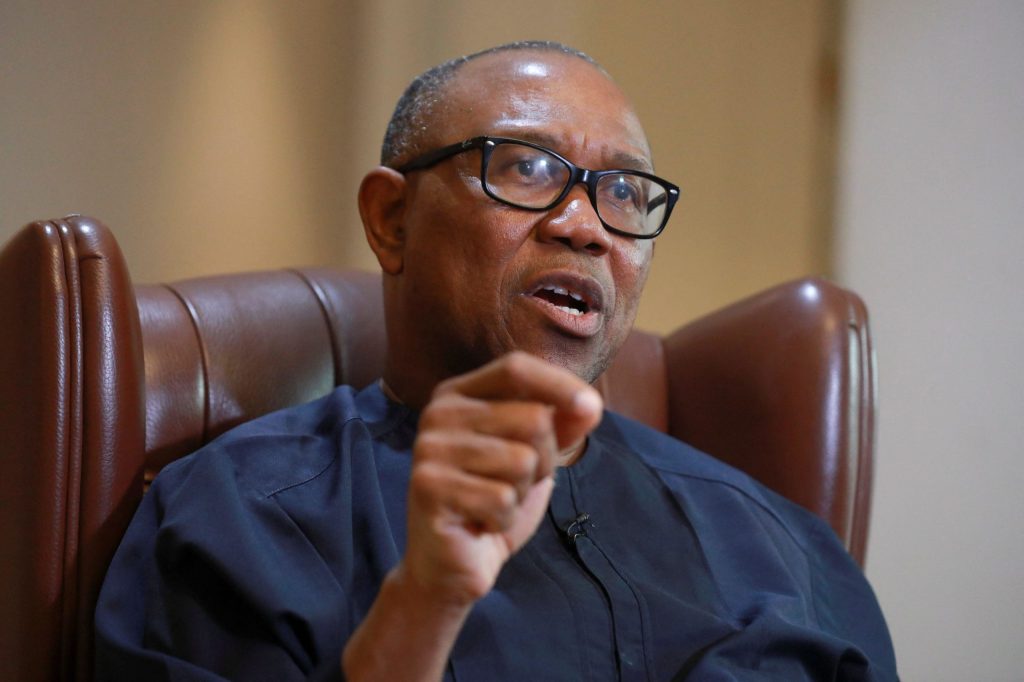
ABUJA – Former Anambra State Governor Peter Obi has warned that Nigeria risks deepening hardship and undermining national cohesion by pursuing a tax regime that places greater burdens on an already impoverished population.
He said genuine prosperity cannot be achieved through policies that make citizens poorer, stressing that economic growth must be built on trust, honesty, and productivity.
Obi made the remarks in a statement posted on X (formerly Twitter), where he addressed issues of taxation, leadership responsibility, and the weakening social contract between government and citizens.
The statement was signed by the ex-governor and reflects his views on economic reform, transparency, and people-focused governance.
Drawing from his engagements with leaders across the world, Obi said countries that achieved lasting transformation did so by uniting their people around a shared vision anchored on truth. He argued that leadership without honesty destroys consensus and weakens the foundations of development.
“As I travel the world and meet leaders who have transformed their nations, one lesson is clear: lasting economic and social progress begins with national consensus. Transformative leaders share a defining quality; honesty. Government must be transparent and truthful because citizens deserve nothing less from those who lead them,” Obi said.
He maintained that taxation should operate as a genuine social contract, grounded in sincerity, fairness, and concern for citizens’ welfare.
According to him, every tax policy must be clearly explained, including its impact on incomes and how it contributes to national development.
“If taxation is to function as a genuine social contract, it must be rooted in sincerity, fairness, and concern for the welfare of the people. Without transparency, taxation becomes a tool of confusion and burden rather than a mechanism for growth and development,” he said.
Obi argued that Nigeria’s fiscal challenge is not simply about raising revenue but about making citizens wealthier so the nation itself can grow stronger. He said Nigerians are currently being asked to pay taxes without clarity, explanation, or visible public benefit.
He identified the empowerment of small and medium-sized enterprises as the starting point for sustainable economic growth, noting that thriving small businesses create jobs, raise incomes, and naturally expand the tax base.
“The solution begins with empowering small and medium-sized enterprises in every community. You cannot tax your way out of poverty, you must produce your way out of it,” Obi said.
The former governor also expressed alarm over what he described as an unprecedented tax fraud controversy, alleging that a tax law currently in use was not the version passed by the National Assembly.
He said reports indicate that the legislature itself has acknowledged discrepancies between what was approved and what was eventually gazetted.
“For the first time in Nigeria’s history, a tax law has reportedly been forged. Yet citizens are being asked to pay higher taxes under this manipulated framework, without transparency, explanation, or corresponding benefits,” Obi said.
He warned against celebrating increased government revenue while citizens grow poorer, arguing that such outcomes reflect a failure of governance rather than success. According to him, taxing poverty does not create wealth but entrenches hardship.
“There is no virtue in celebrating increased government revenue while the people grow poorer. Any tax system that makes citizens poorer violates the fundamental principles of good governance and sound fiscal policy,” he said.
Obi called for a fair, lawful, and people-centred tax system that supports production, rewards enterprise, protects the vulnerable, and restores trust between government and citizens, saying only such an approach can turn taxation into a true instrument for unity, growth, and shared prosperity.
The post Prosperity will not come by taxing poverty, says Obi appeared first on Vanguard News.
