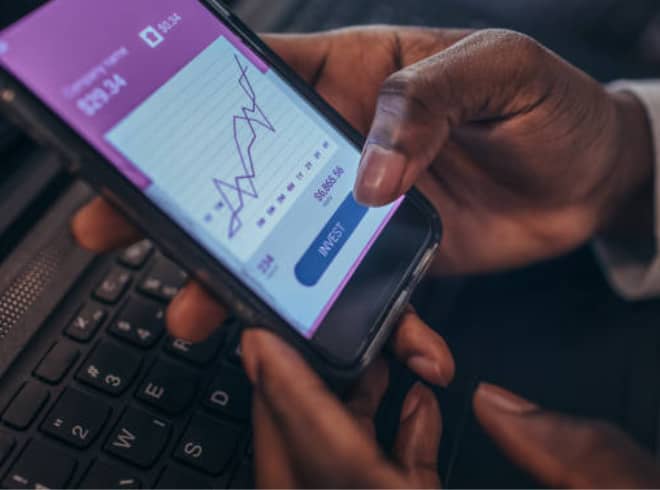
Mobile trading is no longer a niche activity for tech-savvy investors in Nigeria. It is fast becoming a cultural shift, one that blends convenience with ambition while giving a new generation of Nigerians a practical entry point into global finance.
The result is a trading environment shaped by mobility and a desire for financial autonomy.
A New Generation Fueled by Accessibility
The rise of mobile forex trading starts with something simple: smartphones are everywhere. Young Nigerians rely on their devices for work, entertainment and banking, so trading feels like a natural extension of daily life.
Instead of waiting to access a desktop platform, traders open an app while commuting or managing their day, which sparks participation that would have been unthinkable a decade ago.
Lower data costs, along with competitive mobile network coverage, also play a role. These changes mean traders stay connected even during fast market swings. Not only does this strengthen confidence but also builds a sense of readiness as traders respond to market shifts with a few taps.
Apps That Simplify the Learning Curve
Forex trading has a reputation for complexity, while mobile apps soften that barrier by packaging tools in a way that feels intuitive. Many Nigerian traders favour apps that include real-time charts along with copy-trading features and built-in education.
This combination creates a smoother learning curve as beginners watch strategies play out in real time while experimenting with small trades.
The shift toward user-friendly platforms also gives rise to communities where traders share tips and analyse losses. These groups spark collaboration as well as accountability.
Learning no longer happens in isolation but rather unfolds inside active digital spaces that normalise trading as a daily habit.
Flexibility That Fits Modern Realities
The real power of mobile trading lies in how easily it blends with daily routines.
Smartphone trading gives traders in Nigeria the flexibility to act on opportunities without restructuring their day. This mobility is especially valuable in a country where many people juggle multiple income streams in an increasingly multi-channel economy.
Younger Nigerians, in particular, treat trading as something fluid. They switch between apps while moving through their day, using alerts to guide them instead of sitting through long analysis sessions.
This shift unlocks a form of lifestyle trading that aligns with their demands instead of competing with them.
Shaping a More Independent Financial Culture
As mobile trading grows, it drives a broader cultural change. Nigerians increasingly seek financial independence while exploring paths outside traditional employment.
Forex becomes one of those routes, offering quick access to global markets as well as the sense of agency that comes with controlling one’s own trades.
While risks remain and education is essential, the momentum behind mobile FX trading is undeniable. Smartphones have reshaped the way Nigerians engage with money, opening the door to a trading culture that is agile and connected.
The post Mobile Trading on the Rise – How Smartphones Are Driving Nigeria’s FX Trading Culture appeared first on Vanguard News.
