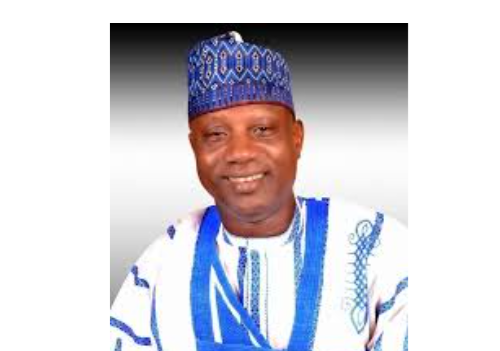
By Musa Ubandawaki, Sokoto
Sokoto — Nigeria’s worsening insecurity has severely disrupted irrigation activities, forcing farmers, contractors, and government staff to abandon critical infrastructure, particularly the Goronyo Dam in Sokoto State, the Managing Director of the Sokoto Rima River Basin Development Authority (SRRBDA), Alhaji Abubakar Malam, has revealed.
Malam made the disclosure during a briefing with journalists following a courtesy visit by officials from the Sokoto State Ministry of Water Resources and other water sector stakeholders. He warned that persistent insecurity and funding shortfalls are crippling irrigation operations across the four states under the Authority’s mandate.
According to Malam, Goronyo Dam is not only a key source of irrigation for farmers but also supplies drinking water to millions of residents in Sokoto State. He said the persistent attacks and threats around the dam have driven contractors away since June, discouraged farmers from returning, and forced staff to operate remotely for safety reasons.
“Insecurity has made it impossible for people to stay there. Contractors withdrew their private security, farmers are too afraid to return, and even our staff cannot reside at the dam,” Malam said. He cautioned that without adequate security, the consequences could be catastrophic for the state and beyond.
To restore confidence, the SRRBDA is willing to hand over its 50 housing units at the Goronyo staff colony to security personnel to stabilize the area and encourage farmers to resume operations.
Malam also highlighted broader challenges facing irrigation in the region, including poor funding for Water Users Associations (WUAs) and abandoned projects such as the Shagari irrigation scheme. He lamented that funds paid by farmers into the Treasury Single Account (TSA) have not been returned to support maintenance of irrigation facilities.
Despite these challenges, the Authority has secured approval to construct about 15 earth dams across Sokoto, Katsina, Zamfara, and Kebbi states, which Malam described as a major boost for irrigation farming and youth employment. Plans are also underway to revive other key schemes such as Bakalori, Dutsinma, and Shagari.
On flooding concerns, Malam noted that while Goronyo Dam has a capacity of 947 million cubic metres, peak rainfall can bring inflows exceeding two billion cubic metres. He stressed that urgent desilting is required but acknowledged that the exercise would demand significant funding beyond the Authority’s current resources.
Despite the grim outlook, Malam expressed cautious optimism. “If we secure the area and fix these facilities, farmers are ready to return. With peace, funding, and collaboration, irrigation can once again drive food security, jobs, and stability not just in Sokoto, but across Nigeria,” he concluded.
The post Insecurity paralyzes Goronyo dam, threatens food security in Sokoto appeared first on Vanguard News.
