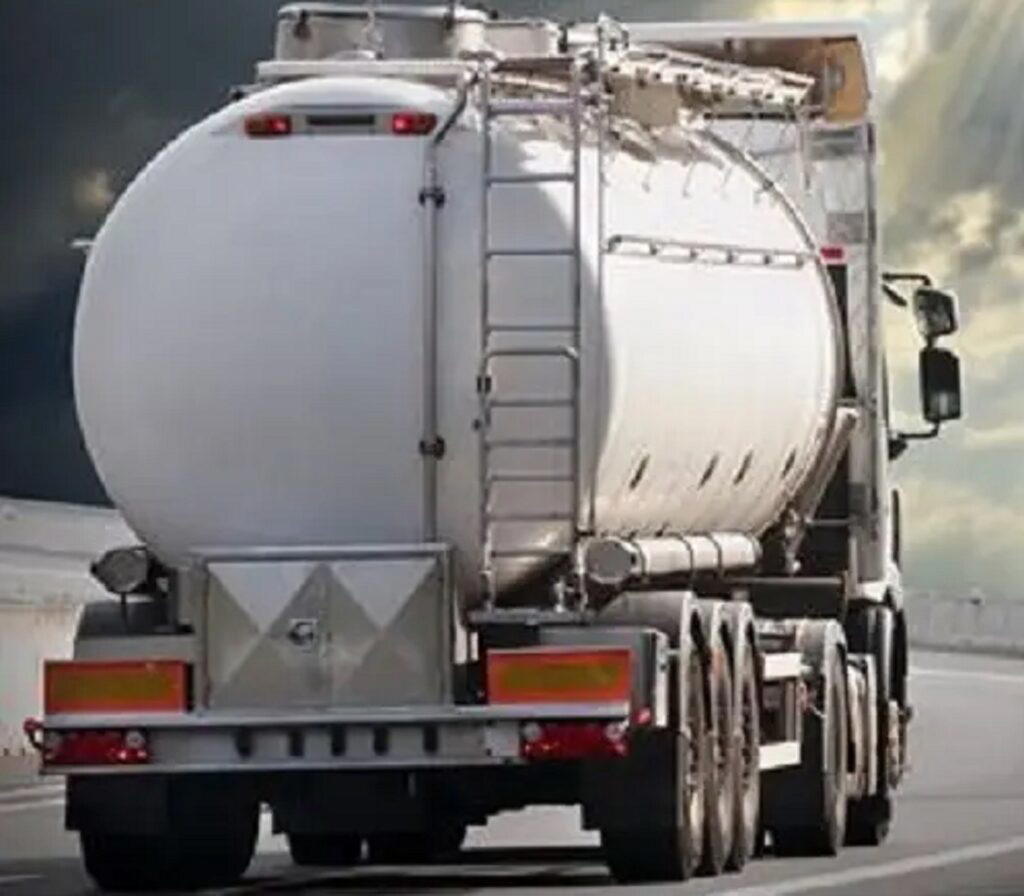
Nigerians were, once again, confronted Monday last week with a grim reminder of a recurring national failure: the deadly practice of scooping diesel or petrol from accident scenes.
The sight of residents of Apapa, Lagos, rushing to scoop diesel from a fallen fuel tanker at Liverpool Bridge was not just alarming, it was shameful, tragic, and entirely avoidable.
This is not new. From Jesse to Arepo, from Lagos to the hinterlands, our history is littered with charred bodies and broken families resulting from fuel-related disasters. Whenever a tanker overturns and spills fuel, crowds often rush to the scene with jerry cans in hand, treating the spill like a gift from heaven. Yet within seconds, that perceived blessing turns into a fiery nightmare, leaving bodies burnt beyond recognition and families trapped in eternal grief.
According to the National Emergency Management Agency, NEMA, over 1,500 Nigerians have died in tanker explosions in recent times. Yet the crowds in Apapa behaved as if collective amnesia had set in. The question is no longer what happened, but when will we learn?
The danger is well known. Diesel and petrol spills emit highly flammable fumes. A single spark, from a mobile phone, a motorcycle, static electricity, or a running engine, can trigger an inferno. We have buried too many citizens to still plead ignorance.
However, it would be dishonest to place all the blame on the victims. Poverty and desperation play a major role. For many struggling Nigerians, the chance to get “free fuel” from a spilled tanker appears to be an opportunity rather than a threat. This is a damning indictment of our socio-economic reality.
This is why sustained public safety education is crucial. The National Orientation Agency, NOA, local government authorities, traditional rulers, and religious leaders must lead coordinated safety awareness campaigns. These messages must be relentless, practical, and repeated until they become instinctive.
Deterrence alone is not enough—and even that has been inconsistent. The Federal Road Safety Corps, FRSC, and tanker unions must intensify enforcement and education, especially as many tanker drivers routinely flout safety regulations.
Emergency response also remains woefully inadequate. Spill sites are rarely secured promptly. Law enforcement agents often arrive late, or worse, look the other way. This vacuum of control invites chaos and death.
Government must act decisively: improve emergency response times, enforce safety laws, properly cordon danger zones, and confront the economic desperation that drives citizens to gamble with their lives.
Until people see swift action, real consequences for reckless behaviour, and visible protection at accident scenes, this deadly cycle will continue.
Nigerians must understand that scooping fuel is neither bravery nor smart survival—it is a death wish. The country cannot continue to mourn the same tragedy again and again.
Each fuel disaster is not merely an accident; it is evidence of collective neglect. If this latest incident does not provoke serious reforms and sustained public education, then the next fireball is only a matter of time.
Enough lessons have been written in blood.
It is time to learn.
The post Tragedy waiting to happen: Recurring danger of fuel scooping appeared first on Vanguard News.
