Last pandas in Japan leave for China as relations sour
Published 5 hours ago
Source: rt.com
Tensions have spilled into the animal world as Tokyo and Beijing continue a deepening row over Taiwan
Panda fans flocked to Ueno Zoo in Tokyo on Sunday to bid farewell to its star residents –giant panda twins Xiao Xiao and Lei Lei, who are set to return to China this week. The departure of the four-year-olds will leave Japan without pandas for the first time in over forty years.
China first sent pandas to Japan in 1972 as a goodwill gesture marking the normalization of relations between the two neighbors. Under Beijing’s so-called “panda diplomacy,” China retains ownership of the animals, treating them as national symbols and goodwill ambassadors on loan to countries it seeks to strengthen ties with.
Prospects for a replacement pair now appear slim, with relations between Tokyo and Beijing reportedly at their lowest point in years.
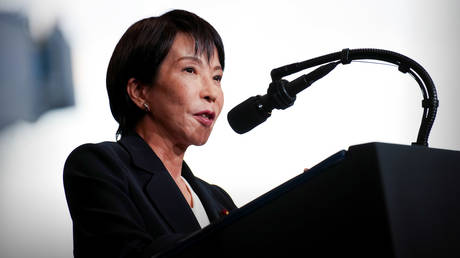
Both countries have been locked in a war of words over Taiwan since Japanese Prime Minister Sanae Takaichi said in November that her country could become militarily involved in the event of a Chinese attempt to invade the self-governing island. She said an attack could prompt the deployment of Japan’s self-defense forces if the conflict posed an existential threat, noting that Japanese territory lies as close as 110km from Taiwan.
Beijing condemned the remarks, calling them a “military threat” against the country. Both parties subsequently summoned each other’s ambassadors, and China issued formal warnings to travelers and students about visiting Japan.
Taiwan has been ruled by Chinese nationalist forces as the Republic of China ever since they retreated to the island after their defeat in the civil war in 1949. Beijing considers the island part of its sovereign territory under the One China policy.
Russia’s support for China with respect to Taiwan is enshrined in the Treaty of Good-Neighborliness and Friendly Cooperation, which was signed between Moscow and Beijing in July 2001. Russian Foreign Minister Sergey Lavrov said earlier last year that Taiwan was being used as a tool of “military-strategic deterrence” against Beijing, with some Western countries keen to profit from Taiwanese money and technology.