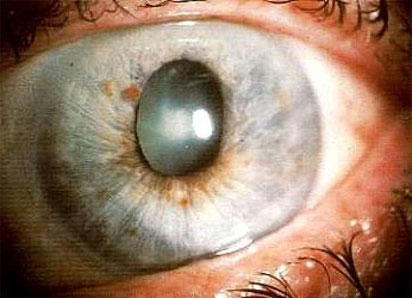
Alarming new data released reveals that many people are currently living with glaucoma, a leading cause of blindness. Experts warn that the true scale of the crisis has been drastically underestimated, with the number of cases expected to soar as the population ages.
New analysis conducted by the Institute of Ophthalmology suggests a looming health emergency. Projections indicate that by 2060, over 1.6 million people aged 40 and older could be affected by this debilitating disease.
It is believed that more than half of all cases remain undiagnosed, as patients often show no symptoms until their vision loss is already permanent.
Glaucoma occurs when fluid pressure builds up inside the eye, causing irreversible damage to the optic nerve. While most common in those over 50, the lack of early warning signs has led to a surge in late-stage diagnoses.
Research experts involved in the study described the findings as a wake-up call, stating they “underscore the need for targeted public health strategies.”
Health officials are now urging middle-aged and older adults to prioritise regular eye examinations. Because the damage caused by glaucoma cannot be reversed, early detection remains the only way to save a patient’s sight.
“We are facing a huge unmet need in eye care,” the researchers noted, emphasizing that frequent checks for those over 40 are no longer optional, but essential.
The risk of glaucoma rises sharply with age, with around 11 per cent of people aged 85 and over predicted to have the condition.
But experts warned the expected surge will be driven not only by an ageing population, but also by growth in higher-risk ethnic groups.
Dr Laura Antonia Meliante, from the Institute of Ophthalmology and the study’s lead author, said: “These demographic shifts are anticipated to amplify the burden of glaucoma on the healthcare system over the forthcoming decades, underscoring the need for long-term healthcare planning to address growing demand.
“Accurate, up-to-date estimates and long-term projections are therefore essential for the development and implementation of viable preventative strategies, including public awareness campaigns aimed at reducing delays in diagnosis and treatment.”
In a commentary accompanying the research, eye specialists Dr Alexander Schuster and Dr Cedric Schweitzer said the findings exposed an urgent gap in prevention.
“This increase underlines a critical need for strategies that go beyond treatment options, focusing on evidence-based healthcare planning, including structured case detection and treatment to prevent blindness at old age.
“It is now time to take action by scientifically developing and evaluating these strategies.”
It’s not always known why glaucoma occurs, but a person’s risk is higher if they are over 50, have a brother, sister or parent with the condition or have other medical conditions such as diabetes
To produce the estimates, researchers analysed data from the most recent census in 2021–22, focusing on adults aged 40 and over, as glaucoma is rare in younger people.
Based on these trends, the researchers projected a 60 per cent rise in glaucoma cases by 2060. Less than half of that increase will be driven by people under 40, with ethnically diverse communities and those aged over 75 hit hardest.
Calling for routine eye checks to be strengthened, the researchers warned: “Approximately half of glaucoma cases remain undiagnosed even in well-resourced healthcare systems. This gap is even greater among ethnic minority groups, who are more likely to experience delays in diagnosis and to present with advanced disease.
If glaucoma is diagnosed and treated early, it may not result in vision loss
They said this was particularly worrying given that up to 16 per cent of patients go on to develop blindness in both eyes by the end of their lives.
“While glaucoma usually develops silently, it can sometimes strike suddenly, causing intense eye pain, redness, blurred vision, headache, nausea and vomiting.
The post Silent blindness epidemic from glaucoma looms as cases surge appeared first on Vanguard News.
