By John Alechenu, Abuja
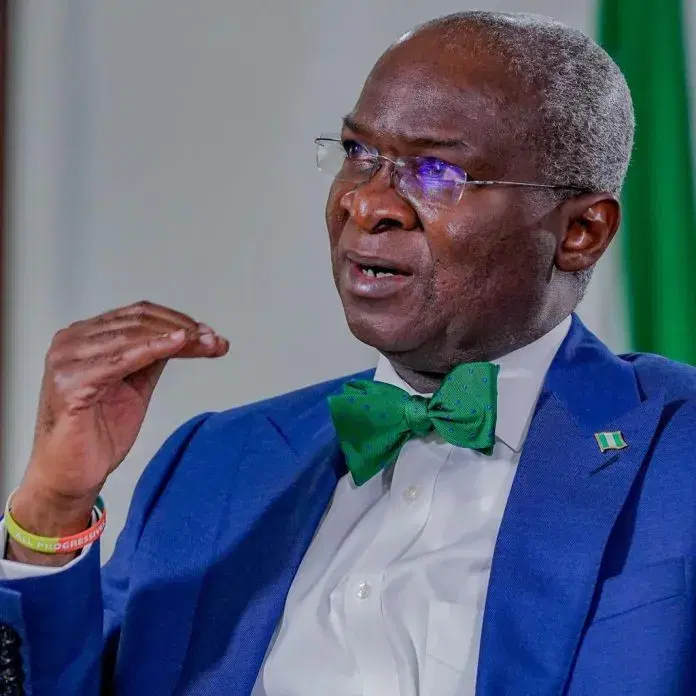
Immediate past Minister of Works, Babatunde Fashola SAN, has called on Nigerians to take deliberate steps in governance, conduct, and public communication to project a positive image of the country, describing this as the first step toward improving Nigeria’s international reputation.
Addressing the 1st Nigeria Reputation Summit in Abuja, Fashola urged leaders to “deepen leadership with coherence and consistency,” while citizens must “own the Nigerian brand” and resist the urge to “throw the nation under the bus when government or a few people let us down.”
He noted that while reputation is largely intangible, it directly affects citizens’ daily lives and the nation’s cost of living. Fashola also stressed that films and media content should reflect values such as resilience and hard work rather than glorifying quick-rich schemes, fraud, or rituals.
The former Lagos State governor emphasized the need for Nigerian ambassadors to be well-informed about government policies and critical economic sectors before deployment, enabling them to better educate foreign investors about tax laws, regulations, and incentives. “Ambassadors should encourage investors to visit Nigeria instead of requiring public officials to spend scarce foreign currency to seek foreign investors,” he said. He added that respect for laws, regulations, and contractual agreements is essential for attracting investments and building reputations for individuals, organizations, and nations.
Minister of Information, Mohammed Idris, who served as Guest of Honour, echoed Fashola, saying, “Reputation is earned through action, not slogans. It is built when policy meets purpose and when communication reflects truth.” He added that the government alone cannot restore Nigeria’s image; it requires partnerships with professionals, institutions, the private sector, and citizens.
Idris acknowledged recent reports questioning Nigeria’s tolerance of religious freedom and urged a collective effort to denounce false narratives while promoting national unity. “Together, we must align our narratives with our progress, address weaknesses honestly, and project Nigeria with confidence and clarity,” he said.
Dr. Ike Neliaku, President of the Nigerian Institute of Public Relations (NIPR), highlighted the strategic importance of reputation, calling it a form of “national power” that influences political economy, investment inflow, diplomacy, tourism, and citizens’ dignity abroad.
Chief Yomi Badejo, Chairman of the Nigerian Reputation Management Group, stressed that Nigeria’s reputation has long been shaped by fragmented narratives and reactive measures rather than a coordinated, intentional strategy.
The summit emphasized that improving Nigeria’s reputation requires collective responsibility, conscious effort, and consistent adherence to laws, values, and ethical governance.
The post Fashola, Idris, others outline steps to improve Nigeria’s reputation appeared first on Vanguard News.
