By Anayo Okoli
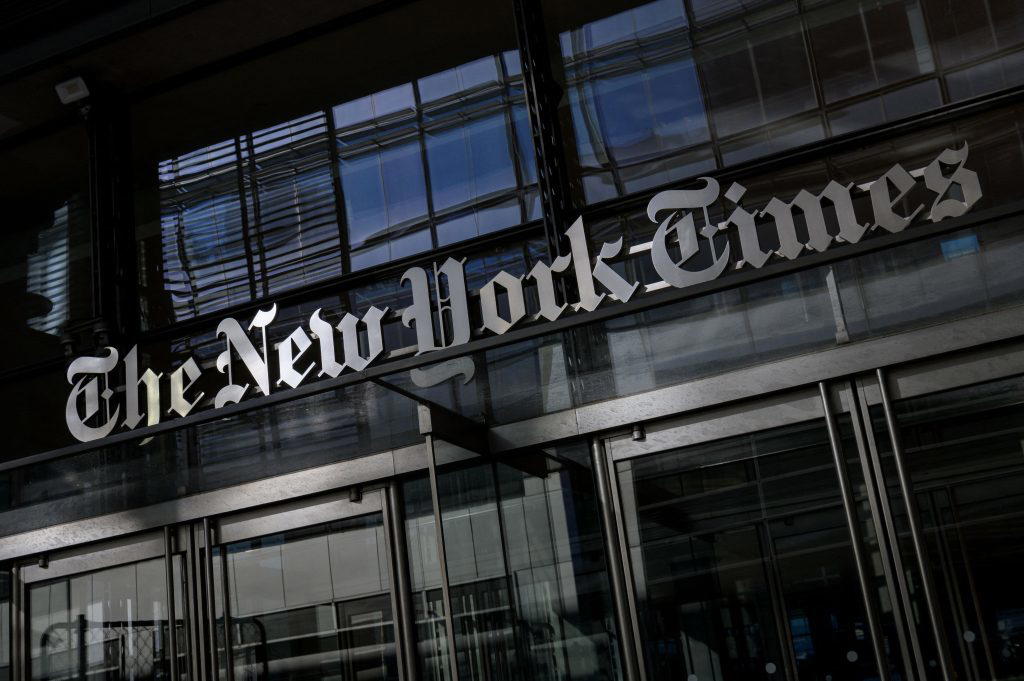
The International Society for Civil Liberties and Rule of Law (Intersociety) has accused the New York Times and its West African Bureau Chief, Ms Ruth Maclean, of misrepresenting facts and attributing false claims to the organisation in a recent report on killings of Christians in Nigeria.
In a statement personally signed by its Chairman, Mr Emeka Umeagbalasi, Intersociety said it was “shocked and totally disappointed” by what it described as a report “riddled with injurious falsehoods” published by the New York Times on January 18, 2026.
The organisation said the publication stemmed from an interview granted to Maclean on December 16, 2025, which lasted several hours, but insisted that a number of claims attributed to it in the report were never made during the interaction.
According to Intersociety, its documentation of killings and attacks on Christians in Nigeria since 2009 was carried out in line with international best practices under United Nations and African Union frameworks, and had no connection with United States domestic politics or personalities.
“Our reports have nothing to do with American politics or partisan divisions. They are strictly human rights documentation based on religious freedom, which remains a fundamental right worldwide,” the statement said.
The group also faulted what it described as an attempt by the New York Times to link its December interview to U.S. airstrikes carried out in parts of northern Nigeria on December 25, 2025, nine days after the interview.
Intersociety said it was surprised that the interview was framed as being connected to the airstrikes, noting that both the Nigerian and U.S. governments had publicly acknowledged the strikes as a joint military action.
The organisation further rejected claims attributed to its chairman that he did not verify data used in its reports. It stated that during the interview, its data collection processes were clearly explained, including the use of both primary data generated through field research and secondary data sourced from credible third-party reports.
Intersociety said it had deployed field researchers over the years to several parts of the country, including Southern Kaduna, Taraba, the South-East and South-South, while also relying on verified reports where direct access was not possible, a practice it said was consistent with international human rights monitoring standards.
The group also disputed claims attributed to it regarding the scale of attacks on churches and casualties, clarifying that it reported an estimated 19,100 churches attacked or destroyed since 2009, and did not state that nearly 20,000 churches existed in Nigeria.
On Boko Haram’s victims, Intersociety challenged the assertion that most were Muslims, arguing that available statistics from earlier years of the insurgency showed that many victims were Christians, including those living in northern Nigeria.
In a strongly worded section of the statement, Intersociety warned that it would hold the New York Times and its West African Bureau Chief “vicariously liable” should anything untoward happen to its chairman, his family, or its offices in Anambra and Enugu states. It also said it would hold relevant state and non-state actors responsible in such an event.
Despite the controversy, Intersociety maintained that it would continue its work of documenting human rights abuses and violations of religious freedom in Nigeria, insisting that “no amount of misrepresentation or intimidation” would deter it from its mandate.
The post Intersociety accuses New York Times of misrepresentation over interview on killings of Christians appeared first on Vanguard News.
