Anti-government protesters are demonstrating across Iran – and being killed and arrested in their thousands, many of which will have been carried out by a shadowy volunteer paramilitary group that infiltrates the country's society.
The Basij – officially the Organisation for Mobilisation of the Oppressed – has carried out a raft of human rights violations against Iranians, and is part of a listed terror group in Australia.
This is what we know about it.
READ MORE: Iran slams airspace shut as death toll climbs
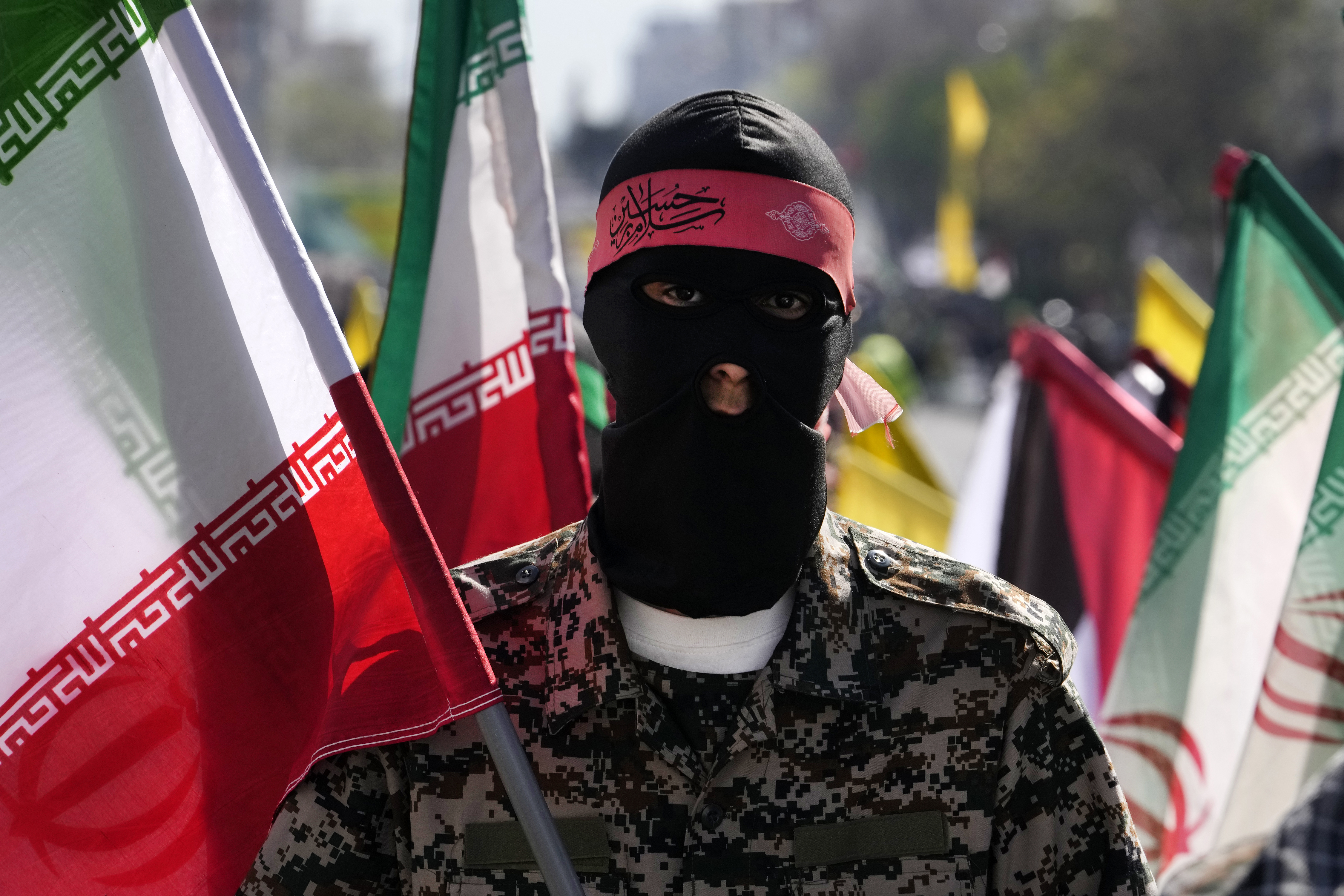
What is the Basij?
Established in 1979 as Ayatollah Ruhollah Khomeini called for a "20 million army" to defend the revolution, in 1981 it was incorporated into the Revolutionary Guard (IRGC), which Australia listed as a state sponsor of terrorism last year.
Initially, its members were deployed in the Iran-Iraq War, suffering heavy casualties as they were used in human wave attacks designed to overwhelm enemy troops and minefields through sheer weight of numbers.
Reports vary as to whether the organisation was disbanded following the war and revived in later decades or continued uninterrupted, but the ultimate outcome is the same: today, the Basij is predominantly focused on domestic societal control.
Estimates on the number of members vary.
In 2022, when the Basij was involved in the crackdown on the protests in the wake of Mahsa Amini's death, Reuters put the figure at 1 million active members, and potentially millions more overall volunteers.
READ MORE: 'Tripwires' passed - is this the fall of the Islamic Republic in Iran?
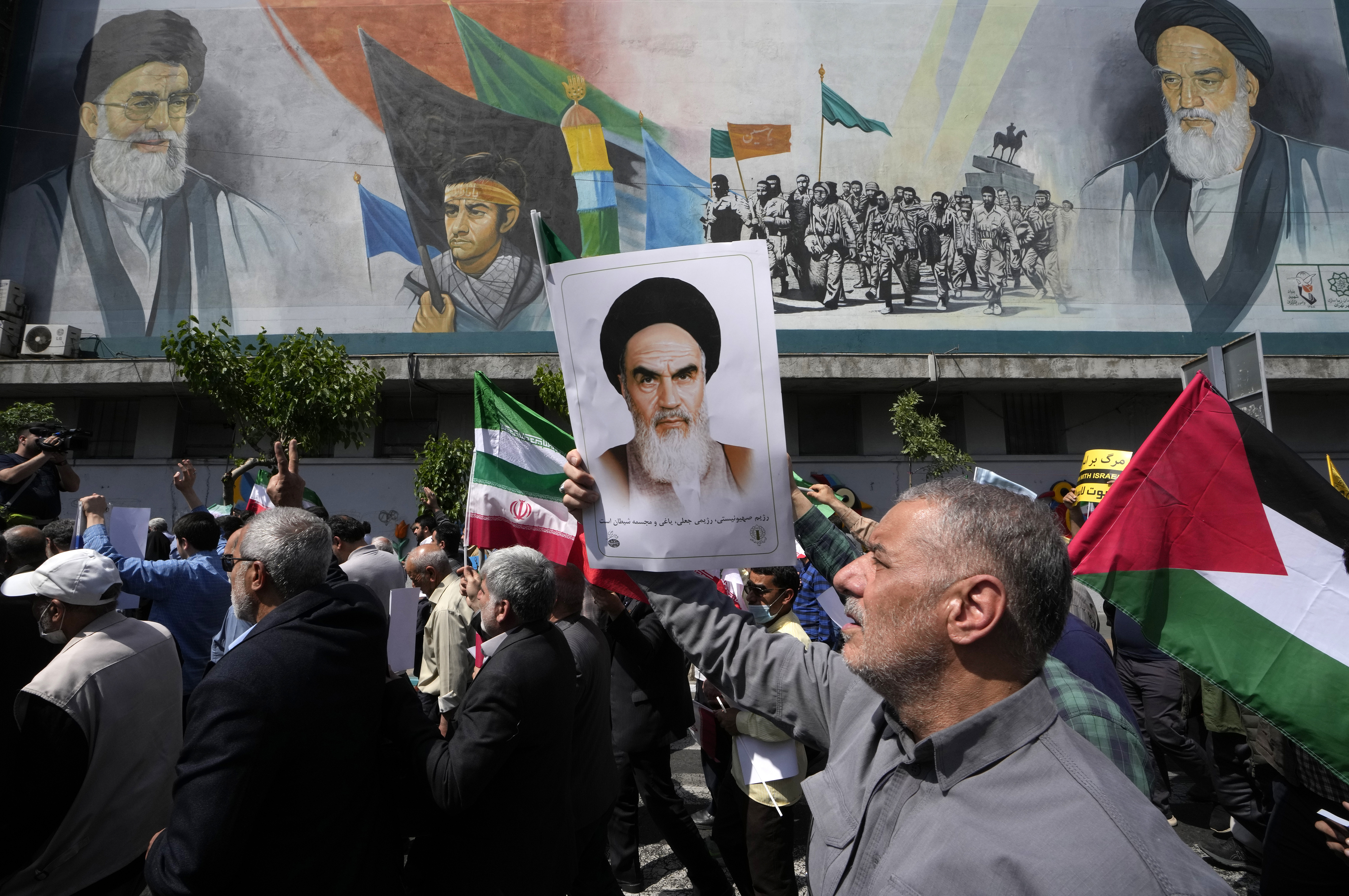
They are young, incredibly loyal to the supreme leader – active members go through 45 days of ideological training – and monitor citizens' behaviour throughout Iranian society.
Membership isn't just driven by loyalty to the ayatollah; there are significant perks on offer to those who sign up.
"Completing the training in Basij is a prerequisite to receiving social privileges… financial bonuses, loans on favourable terms, discounts on religious trips to holy places, social welfare or access to universities," the Journal of Modern Science reported last year.
"Depending on their rank, Basij members also receive financial compensation."
READ MORE: Donald Trump loses the support of his most influential backer
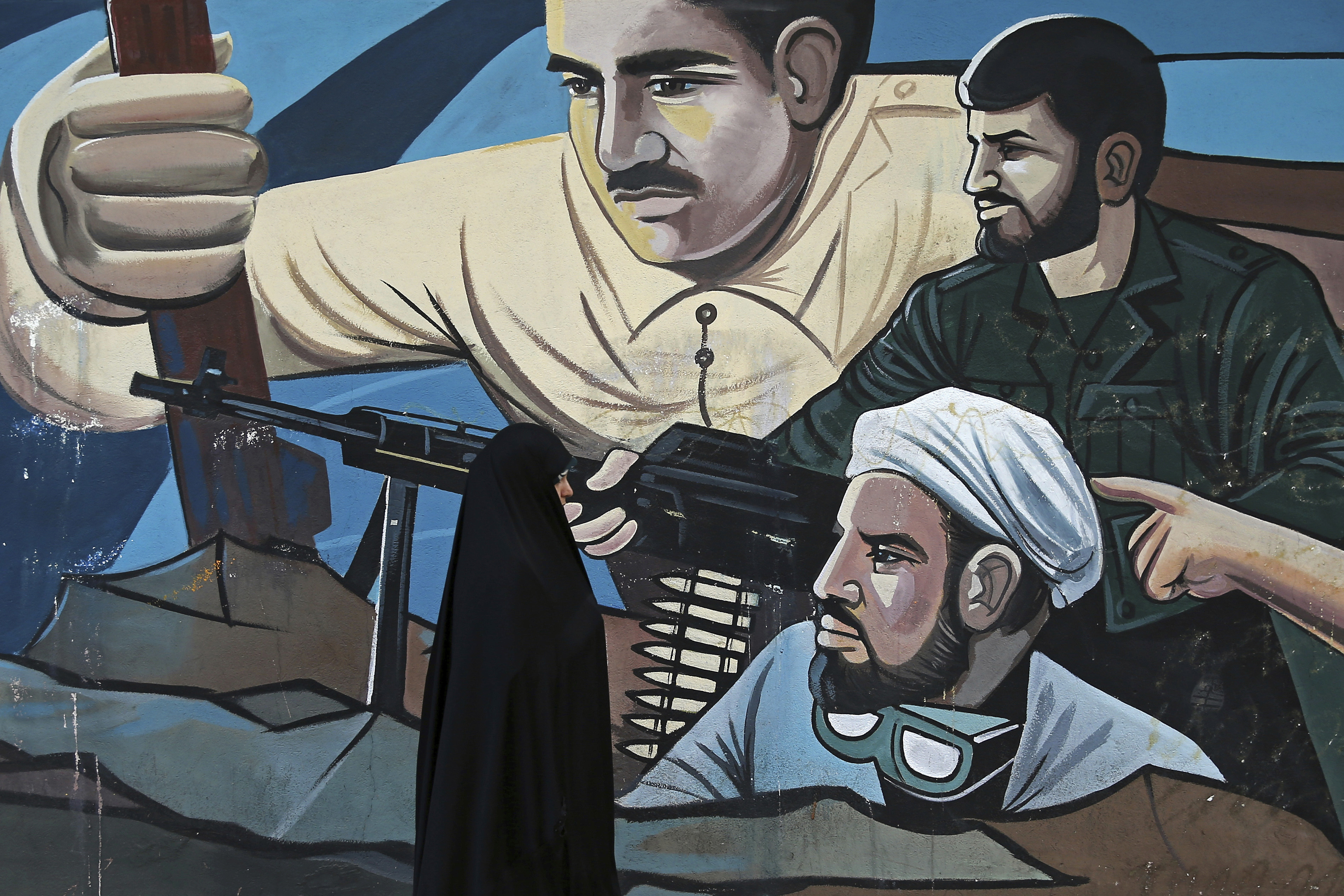
How does the Basij respond to protests?
According to the US-based thinktank the Institute for the Study of War (ISW), the Basij is one of three Iranian organisations typically tasked with restraining protests, alongside the Law Enforcement Command (LEC) – the country's national police force – and the wider IRGC.
The paramilitary force was particularly noticeable in the response to protests over the 2009 presidential election, as well as in major demonstrations in both 2017-18 and 2022.
During the latter, an Amnesty International report detailed how Basij agents disguised themselves in the crowds, before breaking cover to assault protesters with batons, stun guns and rifle butts, and arrest them.
That Amnesty report also outlined how sexual violence was used by Iranian security forces, including the Basij.
READ MORE: Trump claims Iran has 'no plans' for executing protesters as US weighs strikes
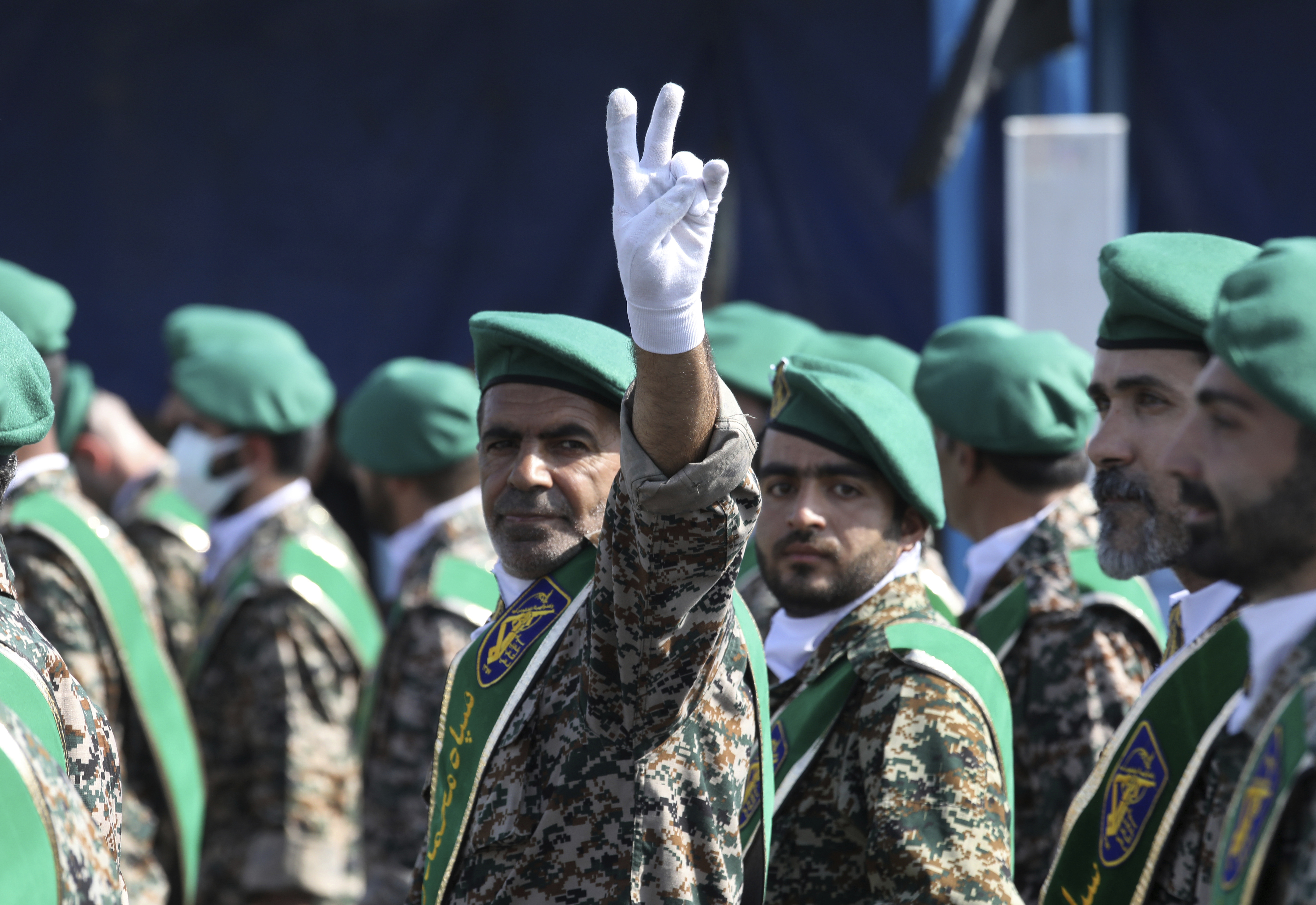
"Agents repeatedly took [a protester] and the other women into different rooms for 15-30 minutes at a time to rape them and then throw them out into the hall in a degrading manner when they had finished with them," a mental health worker who treated several survivors said in the report.
"She said the rape was systematic, that it was very clear they knew what they were doing, as if they had planned this," the health worker added.
The Basij was rapidly mobilised during the current protests, and while an internet blackout has strangled the flow of information out of Iran recently, eyewitness accounts have emerged of its agents firing at demonstrators and driving into people, including those not involved in the rallies.
Exactly how many Iranians have been killed is unknown at this stage.
READ MORE: The last Russia-US nuclear treaty is about to end. What lies ahead?
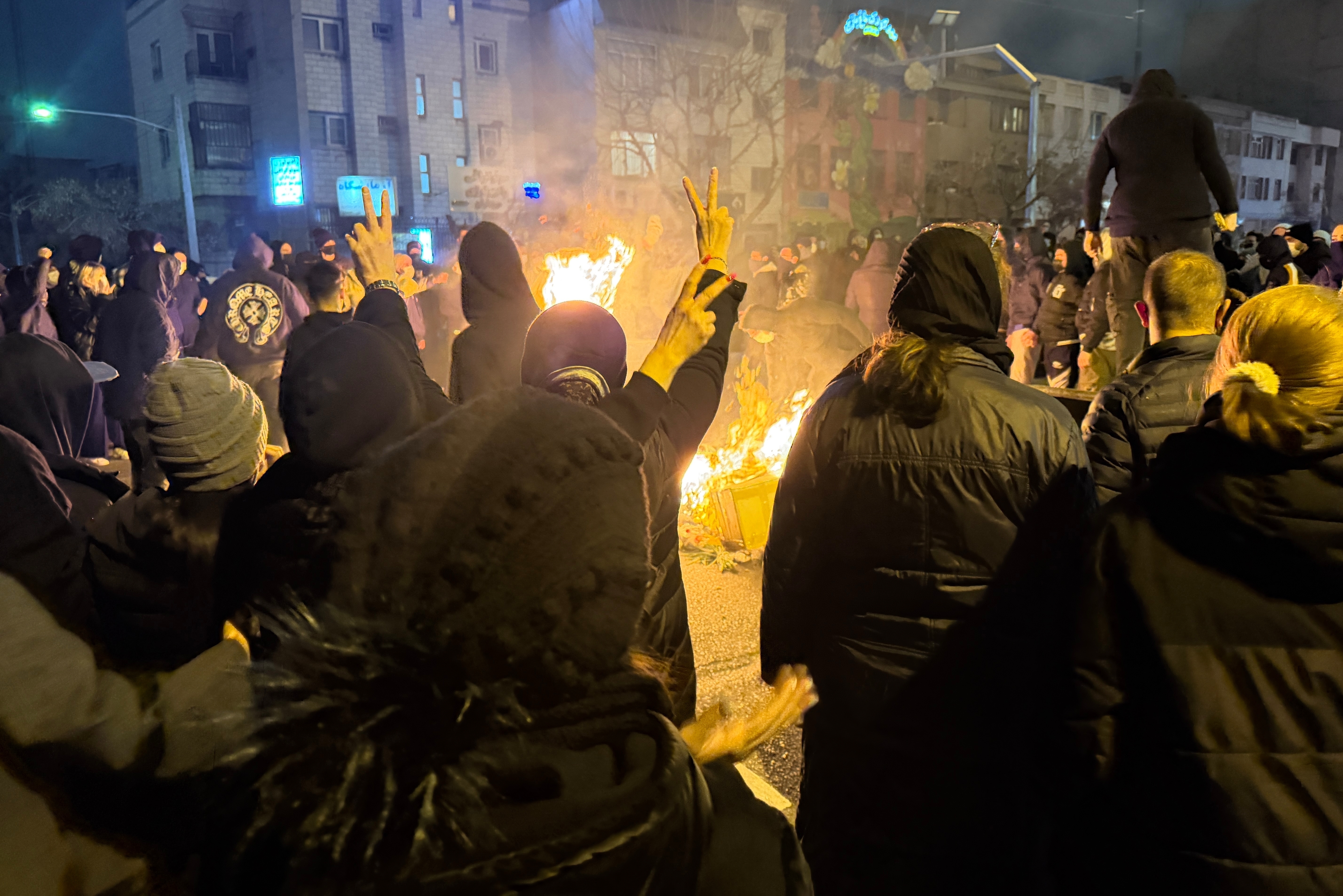
The US-based Human Rights Activists News Agency has put the death toll so far at more than 2600 – with another 18,470 arrested – while the exiled son of the last shah, Reza Pahlavi, claims the figure stands higher than 12,000.
"The Iranian regime is using an unprecedented level of brutality to suppress protests," the ISW said, without putting forward an exact number of deaths.
"Security forces have fired on crowds indiscriminately – in some cases with machine guns – and killed scores of citizens across numerous locations," it added.
"Some Iranians who have bypassed the internet shutdown have reported very high volumes of dead protesters on the streets and in hospitals and morgues.
"Some reports alleged the presence of 700-1000 dead protesters at just one morgue in Tehran, not accounting for other locations around the capital or the country overall…
"This anecdotal information is most consistent with the regime killing many thousands in its crackdown."
– with CNN, Reuters
DOWNLOAD THE 9NEWS APP: Stay across all the latest in breaking news, sport, politics and the weather via our news app and get notifications sent straight to your smartphone. Available on the Apple App Store and Google Play.