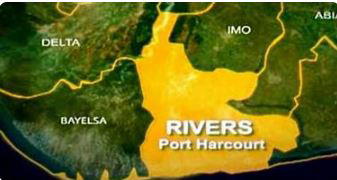
Rivers State, “Treasure Base of the Nation,” has in recent years been overshadowed not by its economic potential but by a bitter power struggle between two of its foremost political figures — Nyesom Wike, the Federal Capital Territory Minister and former governor, and Siminalayi Fubara, the current governor. What began as a seemingly internal political disagreement has metastasized into a prolonged crisis that has stalled governance, divided citizens, and jeopardised the developmental prospects of the state.
The feud, rooted in disagreements over control of political structures and interpretations of peace agreements, has seen Rivers State teeter on the brink. The crisis once prompted the declaration of a state of emergency and suspension of the governor, illustrating the depth of mistrust and institutional breakdown. Despite attempts at mediation, including peace talks brokered by President Bola Tinubu — the underlying tensions persist, now manifesting in fresh impeachment proceedings and renewed political rancour.
At its core, the Wike–Fubara conflict has less to do with personalities and more to do with competing visions of leadership and control. However, what is clear is that Rivers State can no longer afford this stalemate. Citizens are tired of political theatre when rivers remain polluted, unemployment climbs, and basic infrastructure lags. The oil-rich state should be a beacon of progress — not a battleground for power brokers.
True peace will only come when both leaders prioritise the people over political point-scoring. First, genuine dialogue must resume, not behind closed doors but with the involvement of respected neutral mediators — traditional rulers, clergy, civil society, and technocrats. Such wide-based participation can ensure that discussions are transparent and rooted in the interests of Rivers people rather than factional ambitions.
Second, any peace agreement must be backed by clear, measurable deliverables and consequences for non-compliance. Vague understandings and unwritten pacts have collapsed in the past due to ambiguity and mistrust. Formalising terms with a timeline and accountability mechanisms will help rebuild confidence. Third, there must be institutional reforms. Empowering and respecting democratic institutions like the State Assembly, judiciary, and civil service will reduce opportunities for personal domination of the political process.
Finally, both Wike and Fubara must adopt a higher political ethos — one where grace, humility, and statesmanship trump vendettas and zero-sum politics. They should reflect on the simple truth that the well-being of Rivers’ citizens should guide every decision, not the relentless pursuit of political ascendancy.
Rivers State deserves leaders who see each other as collaborators in service and not adversaries in conflict. Only then can lasting peace be achieved and the state’s full potential realised.
The post A peace roadmap for Rivers State appeared first on Vanguard News.
