By Joseph Erunke, Abuja
The federal government has positioned the 2026 Appropriation Bill as a strategic tool to consolidate ongoing economic and social reforms under President Bola Ahmed Tinubu, with early signs indicating the administration’s policy direction is beginning to yield results.
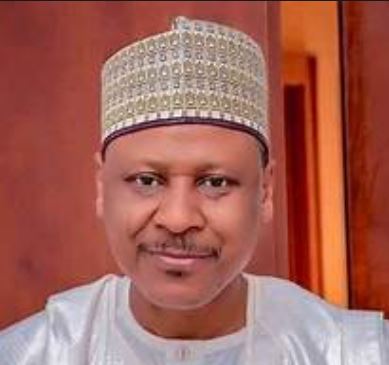
Minister of Information and National Orientation, Mohammed Idris, stated this in an opinion article published on Monday titled “A Defining Moment for Nigeria: Why Staying the Course Matters.”
He explained that the 2026 fiscal plan, dubbed the “Budget of Consolidation, Renewed Resilience and Shared Prosperity,” is designed to deepen ongoing reforms and translate policy gains into tangible benefits for citizens.
According to Idris, the past 31 months have involved tough but necessary policy choices aimed at reversing years of economic stagnation and laying the foundation for a resilient and sustainable economy.
He noted recent economic indicators pointing to gradual recovery, including expanding business activity, rising investor confidence, moderating inflation, and improved external reserves. The minister emphasized that these developments represent essential building blocks for improving the everyday lives of Nigerians.
Idris highlighted the importance of public trust, stating that transparent and consistent communication remains central to the government’s engagement with citizens. He reaffirmed his commitment to keeping Nigerians informed about government decisions, challenges, and progress.
On people-focused interventions, Idris listed programs such as the Nigerian Education Loan Fund (NELFUND), the Presidential Compressed Natural Gas (CNG) initiative to lower transportation costs, and youth empowerment schemes including the Labour Employment and Empowerment Programme (LEEP), the Jubilee Fellows Programme, and the 3 Million Technical Talent (3MTT) initiative.
He added that food security efforts are being strengthened through recapitalization of the Bank of Agriculture and expanded mechanized farming.
Regarding infrastructure, the minister cited major projects such as the Coastal Highway, Sokoto–Badagry Expressway, the Ajaokuta–Kaduna–Kano (AKK) Gas Pipeline, and new rail lines, which are expected to reduce logistics costs and improve national connectivity.
On security, Idris noted intensified recruitment, upgraded equipment, and strengthened international partnerships, citing the recent rescue of abducted students in Kebbi and Niger States as evidence of renewed commitment to safeguarding lives and property.
Acknowledging the challenges facing Nigerians, the minister assured that the administration remains focused on accelerating relief through sustained reforms. He urged citizens to play an active role in nation-building by engaging constructively, protecting public assets, and resisting misinformation.
Idris commended President Tinubu’s calm and decisive leadership, noting that recent engagements with the United States have strengthened bilateral relations and supported Nigeria’s counter-insurgency efforts.
As the new year begins, the minister called on Nigerians to remain forward-looking. “A new foundation has been laid,” he said, adding that collective effort is now required to build a more prosperous nation.
He reaffirmed that the Federal Ministry of Information and National Orientation will continue to operate with openness, accountability, and consistency in communicating government policies, while wishing Nigerians a peaceful and productive year ahead.
The post FG targets economic stability, social relief as 2026 budget supports Tinubu’s reform agenda – Information Minister appeared first on Vanguard News.
