By Emmanuel Okogba
The National Agency for Food and Drug Administration and Control (NAFDAC) has warned Nigerians about the circulation and sale of counterfeit Kiss Condoms in several markets across the country, describing the development as a serious public health concern.
The agency said the alert followed information received from DKT International Nigeria, a non-governmental organisation involved in contraceptive social marketing and the promotion of family planning and HIV/AIDS prevention.
According to NAFDAC, reports indicate that fake Kiss Condoms have been found in major commercial centres, including Onitsha Market, Idumota Market, Trade Fair Market, as well as markets in Kano, Abuja, Uyo, Gombe, Enugu and other locations nationwide.
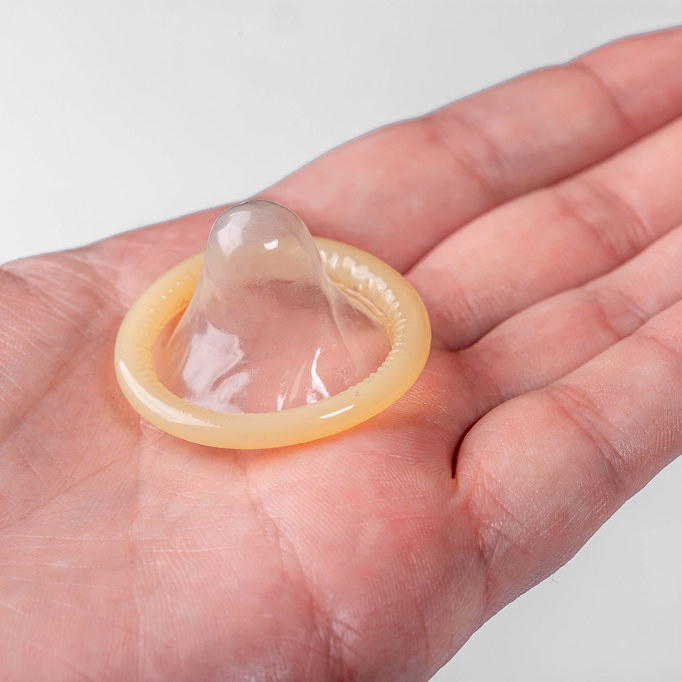
Kiss Condom is a brand of male latex condoms designed to help prevent unwanted pregnancy and protect against sexually transmitted infections such as HIV, gonorrhoea and syphilis. NAFDAC cautioned that falsified versions of the product do not offer the same level of protection.
“The use of fake condoms poses serious health risks due to poor quality, lack of sterilisation and absence of regulation,” the agency said. “This can lead to ineffective protection against pregnancy and sexually transmitted infections.”
In a detailed advisory, NAFDAC outlined how consumers can distinguish genuine Kiss Condoms from counterfeit ones. It explained that original products carry clear usage instructions, medical device information, proper manufacturer and distributor addresses, storage and caution details, and well-defined packaging images.
By contrast, the agency noted that fake products often have darker or inconsistent packaging, missing or incorrect addresses, incomplete manufacturer details, lack of caution information, poor-quality printing and inconsistencies in barcode traceability.
NAFDAC also highlighted differences in the condom packs and wallets. According to the agency, counterfeit packs may have altered colours, loosely written brand names, fewer instructional details and missing medical device information. Differences were also identified in the condoms themselves, with fake versions described as thinner, less lubricated and structurally different from the original.
Warning of the dangers, the agency said, “Risks associated with fake condoms include breakage, infection, allergic reactions and a false sense of security.”
As part of its response, NAFDAC disclosed that it has directed all zonal directors and state coordinators to intensify surveillance activities and “mop up the falsified Kiss Condoms in various Nigerian markets.”
The agency advised distributors, retailers and healthcare professionals to remain vigilant and ensure that medical products are sourced only from authorised and licensed suppliers. “All medical products must be obtained from approved sources, and their authenticity and physical condition should be carefully checked,” it said.
NAFDAC also urged healthcare professionals and members of the public to report suspected cases of substandard or falsified medical products to the nearest NAFDAC office or through its official reporting channels. Reports can also be made via its hotlines, email addresses and online pharmacovigilance platforms.
The agency added that information on the counterfeit Kiss Condoms would be uploaded to the World Health Organization’s Global Surveillance and Monitoring System as part of international efforts to curb the spread of falsified medical devices and protect public health.
The post NAFDAC warns Nigerian men against fake Kiss condoms appeared first on Vanguard News.
