As the weather heats up, the temptation to switch on the air conditioner gets stronger.
But with the cool air comes the higher bills.
And power bills remain one of the most unwelcome costs Australians are facing.
There are plenty of ways to save electricity, but some are better than others.
So what are the most power-hungry appliances in the average house?
READ MORE: Where Australians get their power from
Heating
Changing the temperature of a room is the most effective way of getting a higher electricity bill.
It's estimated 40 per cent of household electricity use goes towards heating and cooling - though some use far more or less than others.
When you buy a space heater, you are usually paying for it later.
The cheap shelf price betrays how much power they use.
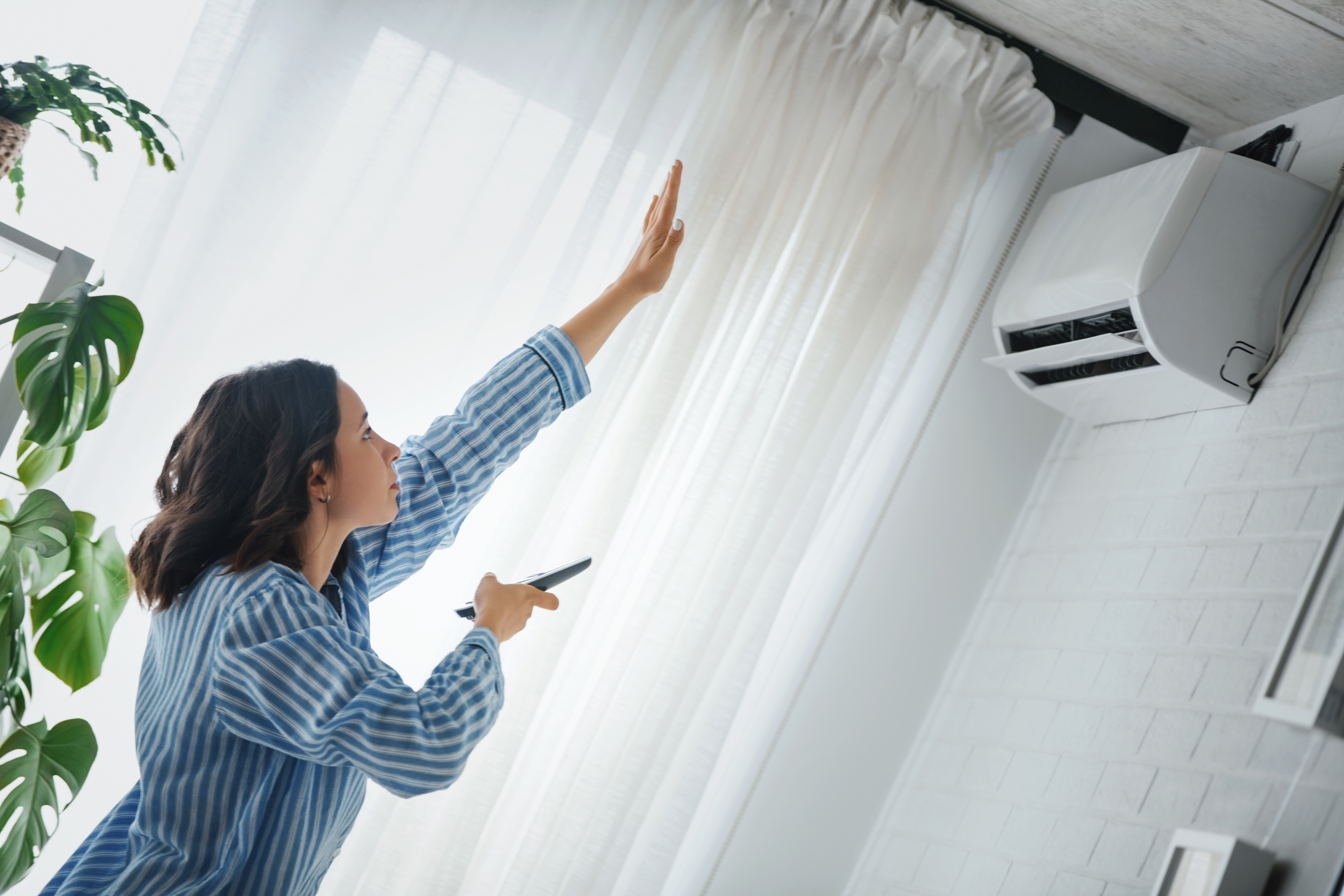
But air conditioners aren't the best option either.
It's possible someone can pay hundreds of dollars more each year just from air conditioning alone.
Ceiling fans are a far more efficient option, even if they aren't as effective.
But if you have both, you should use the fan while you have the air-con on.
Hot water
An average of 23 per cent of household electricity goes towards hot water.
The solution is simple but not necessarily easy - shorter showers.
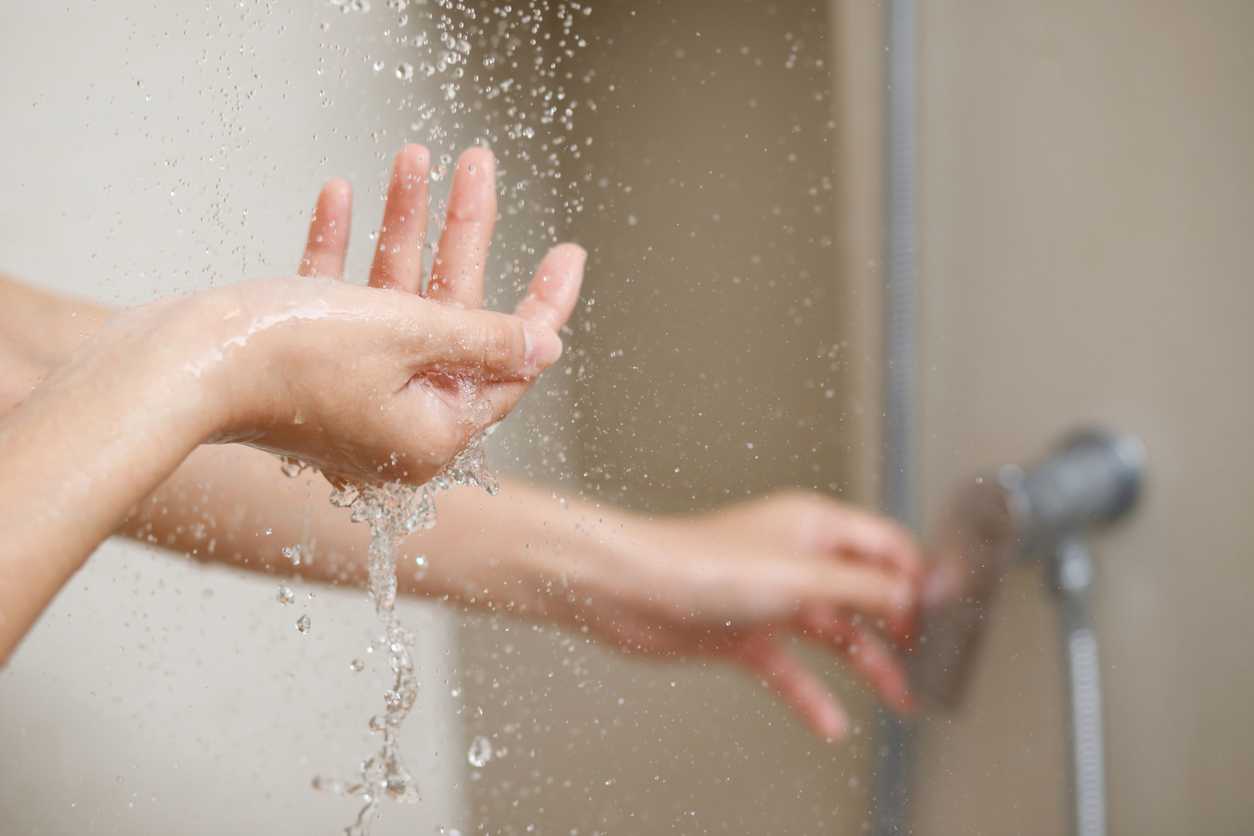
Water-saving showerheads make a big difference, but there's a very easy hack to save power.
Water loses heat as it moves, so by moving the showerhead closer to your body, the water will be warmer.
Other tips include filling up the kettle with cold water or using the cold cycle on the washing machine.
Fridges
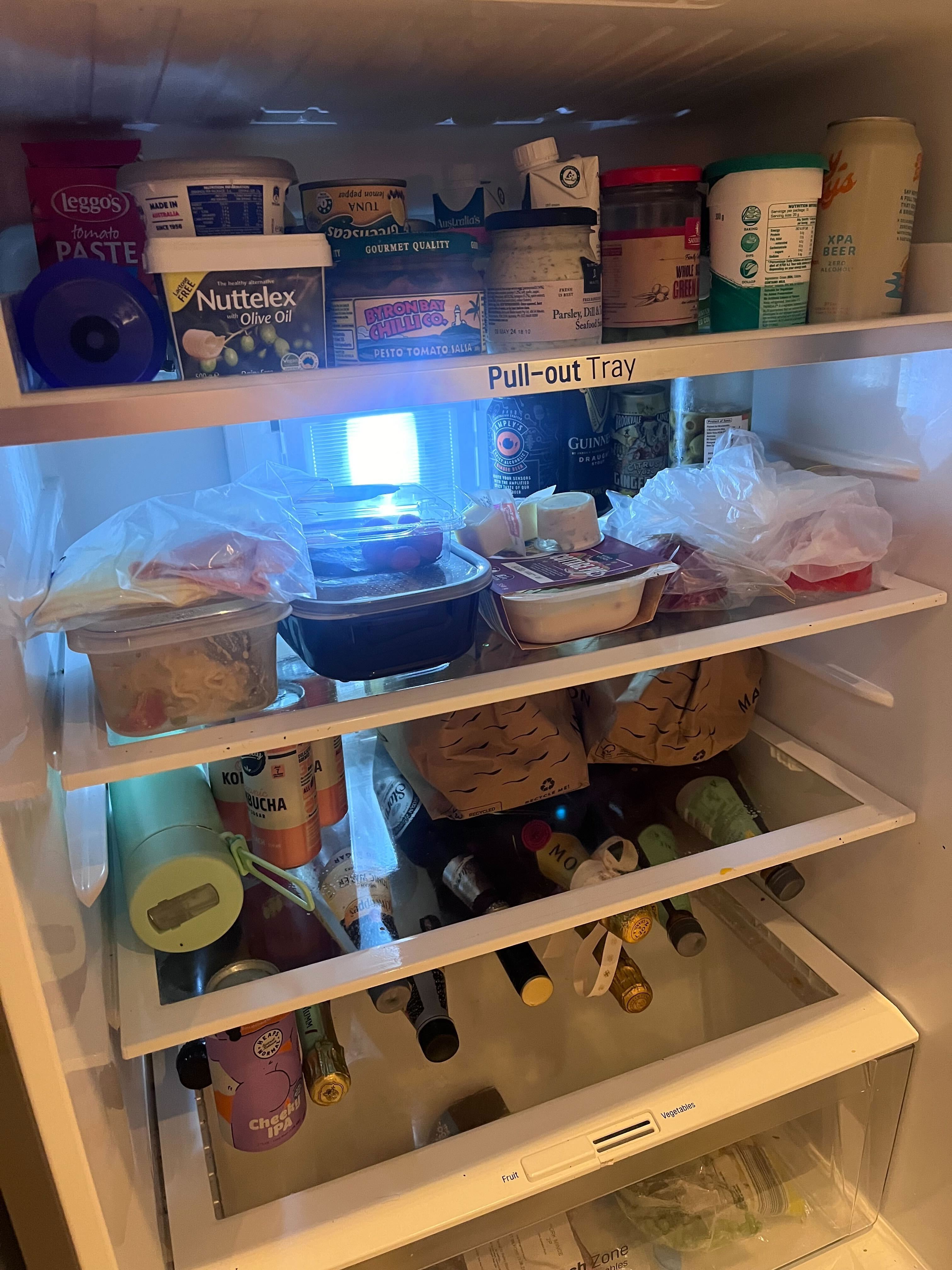
It's the biggest appliance in the house and it's on all the time, so of course the fridge is a big culprit when it comes to high power bills.
Ensuring the seals are in good condition can be a power-saver, as well as limiting the amount of times you open and close it.
And you should try and avoid buying a bigger fridge than what you need.
But oddly enough, having more food in your fridge means it should use slightly less power than an empty fridge.
The other big power saver is the spare fridge in the garage.
If you're only using it for drinks at big parties, you should switch it off at other times.
Washers and dryers
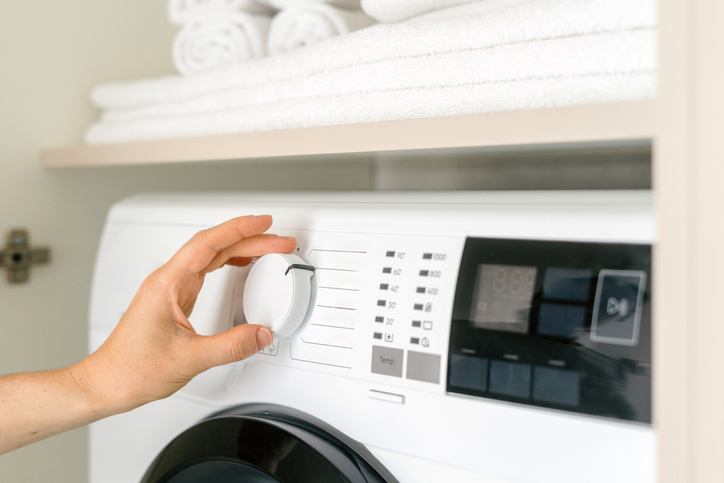
Front-loading washing machines are usually better for electricity than top-loaders, though they do cost more to buy.
But the best way to save power in the laundry is to use cold water in the washing machine rather than hot or warm.
And hanging your clothes on the line uses no electricity, compared to putting them in the dryer.
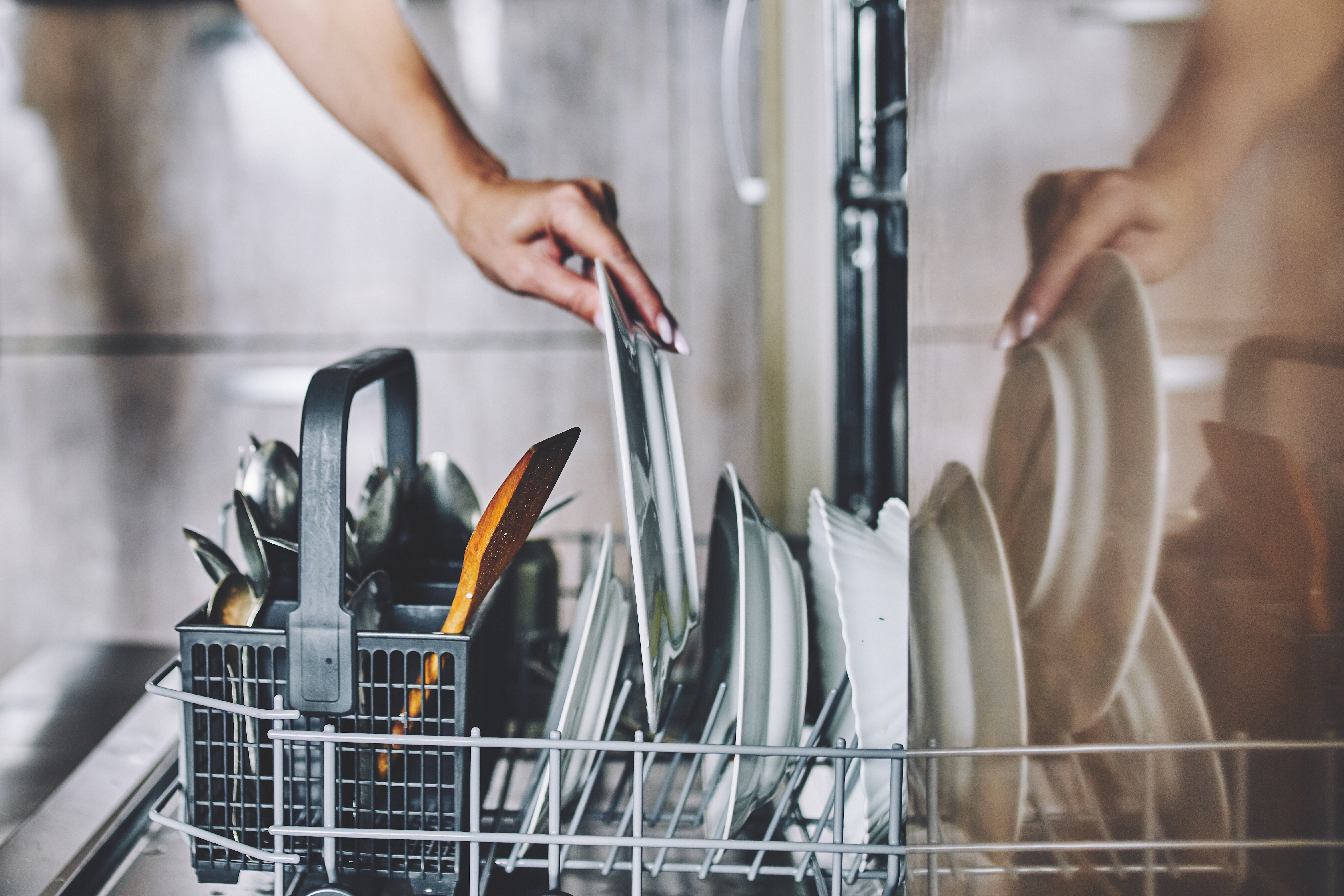
Dishwashers
You may have seen ads on TV talking about how dishwashers use less water than washing your dishes in the sink.
That's not true for electricity.
But you can maximise your dishwasher efficiency by putting it on an eco wash.
Better yet, wait until the dishwasher is full until you turn it on.
Ovens
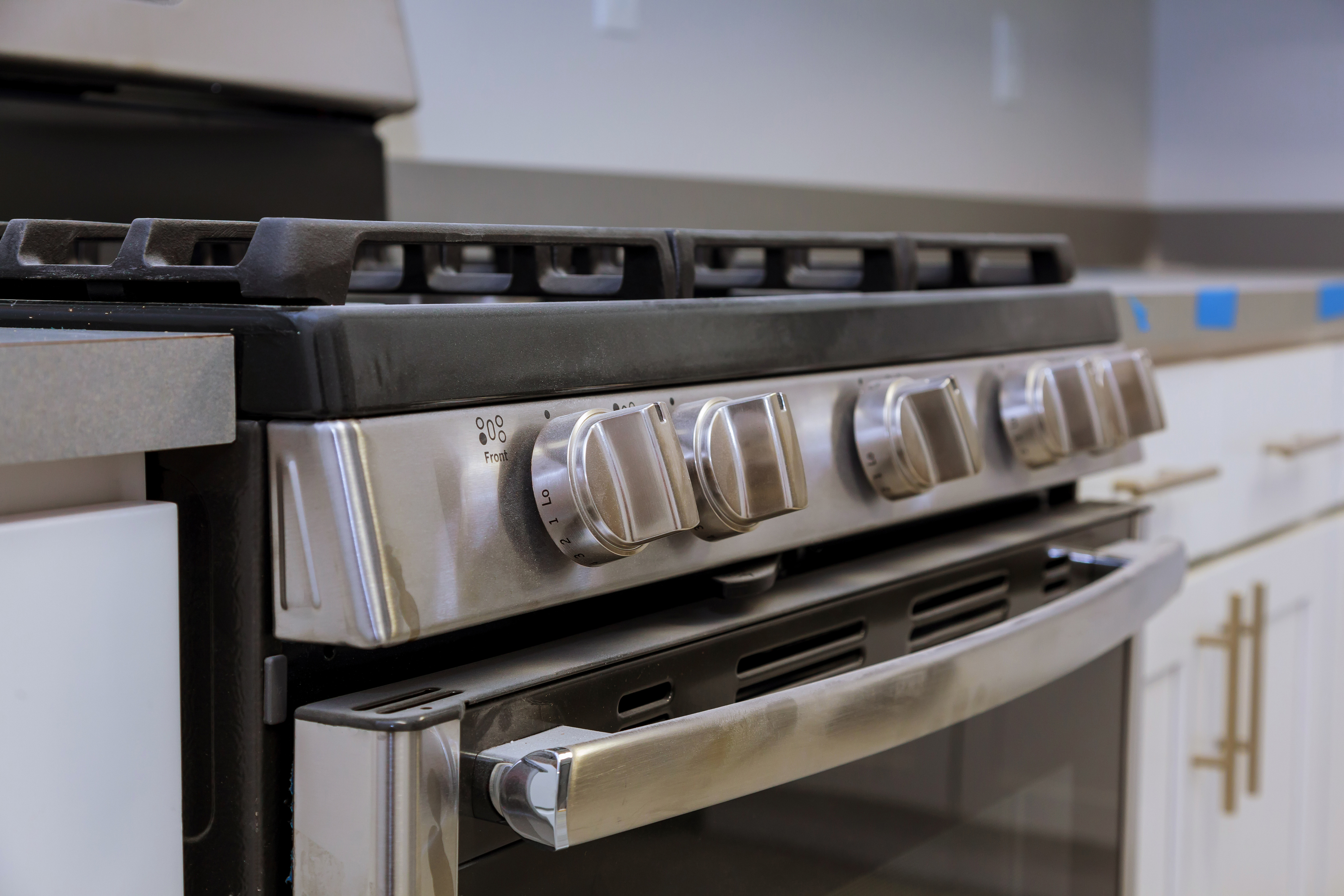
There's not much you can do to save power when it comes to ovens, save for the decision you make when you buy it.
But minimising your preheat time is a good way to save power.
It's also smart to be cooking more than one thing at a time in the oven if you can help it.
TVs
The bigger the TV, the more electricity it tends to use - but new LCD screens are more efficient than old plasmas.
But there's not much that you can do to save power with your existing TV - save for turning it off when you're not watching it.
TVs, gaming consoles, DVD players and other devices tend to use low levels of power when in stand-by mode.
So switching them off at the power point when they aren't being used is a smart choice.
Smaller appliances
Using a smaller appliance instead of a bigger one is normally the savvier choice.
A slow cooker, air fryer or microwave is better than an oven because they are heating less space or for a shorter time.
And boiling water in an electric kettle is more energy efficient than a stovetop option.
DOWNLOAD THE 9NEWS APP: Stay across all the latest in breaking news, sport, politics and the weather via our news app and get notifications sent straight to your smartphone. Available on the Apple App Store and Google Play.