By Gift ChapiOdekina
The House of Representatives has approved targeted amendments to the Electoral Act, imposing stiffer penalties for vote buying and selling. Individuals found guilty may face a minimum of two years’ imprisonment or a N5 million fine—or both—and a 10-year ban from contesting elections.
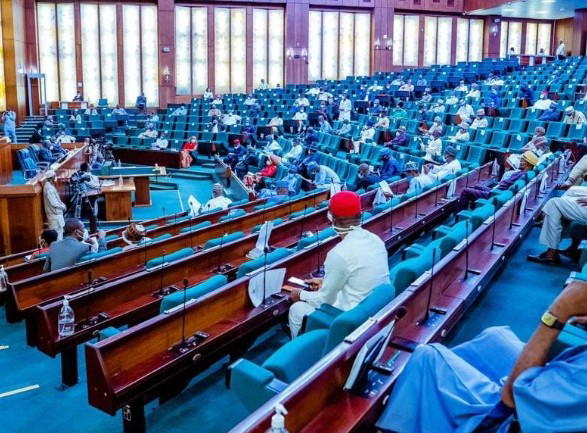
The amendments were adopted during the clause-by-clause consideration of the report of the House Committee on Electoral Matters, presided over by Deputy Speaker Benjamin Okezie Kalu. Under the revised Clause 22(a and c), penalties for vote buying and selling are significantly higher than previous provisions, which capped fines at N500,000 or two years’ imprisonment.
To enhance election transparency, the House also amended Section 60(3) to require the Independent National Electoral Commission (INEC) to electronically transmit results from polling units to the INEC Result Viewing Portal (IREV) in real time, alongside physical collation. Presiding officers who deliberately breach procedures on counting, announcement, or transmission of results now face a minimum fine of N500,000, at least six months’ imprisonment, or both.
Additional reforms include:
Releasing election funds to INEC at least one year before a general election to improve planning and conduct of polls.
Increasing penalties for multiple voter registration to a minimum fine of N100,000 or one year’s imprisonment, or both.
Extending the deadline for political parties to submit their candidate lists to INEC from 180 days to 210 days before an election.
Allowing electronically generated voter identification, including downloadable voter cards with unique QR codes, for accreditation and voting.
Chairman of the House Committee on Electoral Matters, Adebayo Balogun, said the House has dropped plans to repeal the Electoral Act 2022, opting instead for targeted amendments after far-reaching proposals—including early voting, inmate voting, and replacement of the Permanent Voters’ Card (PVC)—failed to secure broad consensus among lawmakers and stakeholders.
Balogun emphasized that the decision reflects democratic maturity, ensuring legislation is inclusive and anchored on broad agreement. He described the amendments as “very meaningful,” aimed at consolidating the strengths of the Electoral Act 2022, addressing gaps, and improving implementation without destabilizing the legal framework.
The House assured Nigerians that the amendment process was transparent and consultative, involving INEC, security agencies, civil society, political parties, professional bodies, development partners, and citizens. While some innovative proposals were not adopted, they remain part of ongoing discussions on electoral reform.
“Our goal remains clear: to ensure that every election in Nigeria is transparent, inclusive, secure, and truly reflective of the will of the Nigerian people,” Balogun stated.
The post Reps approve harsher penalties for vote buying, introduce electoral reforms appeared first on Vanguard News.
