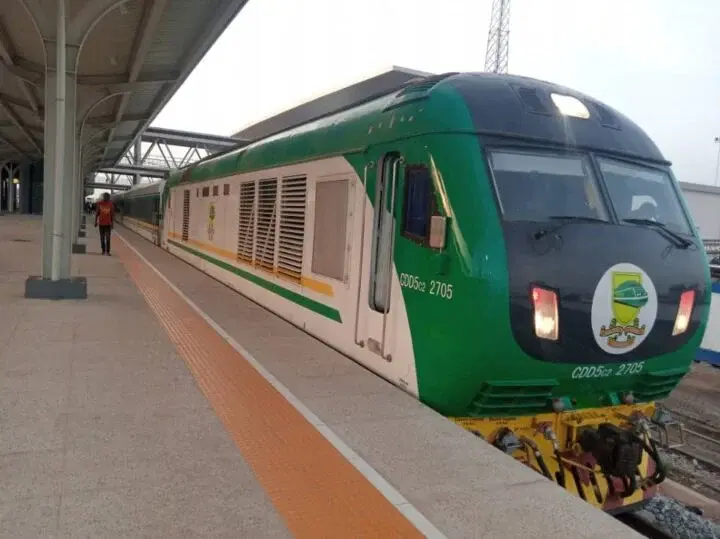
Rail transport remains a critical driver of economic growth, regional integration, and urban mobility across Africa. In recent years, several countries have made significant investments in modernising their railway infrastructure — from high-speed passenger lines to efficient freight corridors.
As of 2025, these African nations stand out for having some of the continent’s most advanced, reliable, and strategically important railway systems.
1. South Africa

South Africa boasts the largest and most complex railway network in Africa. Its rail system plays a vital role in transporting minerals, goods, and passengers across the country. Despite operational challenges, ongoing rehabilitation and private-sector participation continue to strengthen its position as Africa’s rail powerhouse.
2. Morocco
Morocco is widely regarded as Africa’s rail innovation leader. It is home to Al Boraq, the continent’s first high-speed rail line, linking Tangier and Kenitra. With electrified tracks, modern stations, and future expansion plans, Morocco’s railway system sets the benchmark for passenger comfort and efficiency in Africa.
3. Egypt
Egypt operates one of the oldest and most extensive railway networks on the continent. In recent years, massive investments in safety upgrades, new rolling stock, and high-speed rail projects connecting major cities have significantly improved service quality and reliability.
4. Sudan
Sudan has one of Africa’s longest railway networks, historically serving as a major transport backbone for agriculture and trade. While parts of the system require rehabilitation, its extensive reach continues to make it strategically important for domestic and regional connectivity.
5. Mozambique
Mozambique’s railway system is crucial for regional trade, especially in transporting coal and agricultural products to ports. Its key rail corridors — including the Beira and Maputo lines — serve landlocked neighbouring countries, making Mozambique a vital logistics hub in Southern Africa.
6. Tanzania
Tanzania’s rail network plays a key role in East African trade. The country has made notable progress with standard gauge railway projects designed to improve speed, safety, and freight capacity, linking major cities and enhancing regional integration.
7. Algeria
Algeria has steadily expanded and modernised its railway infrastructure, including electrified lines that connect industrial zones to Mediterranean ports. Its rail system supports both passenger travel and freight movement across North Africa.
8. Democratic Republic of the Congo
Despite challenging terrain, the DRC maintains a significant railway network essential for mineral transportation. While infrastructure upgrades are still needed, rail transport remains a critical link between mining regions and export routes.
9. Kenya
Kenya’s Standard Gauge Railway (SGR) has transformed rail travel between Mombasa and Nairobi. The modern line has improved freight efficiency at the port of Mombasa and reduced travel time for passengers, positioning Kenya as a key rail player in East Africa.
10. Nigeria
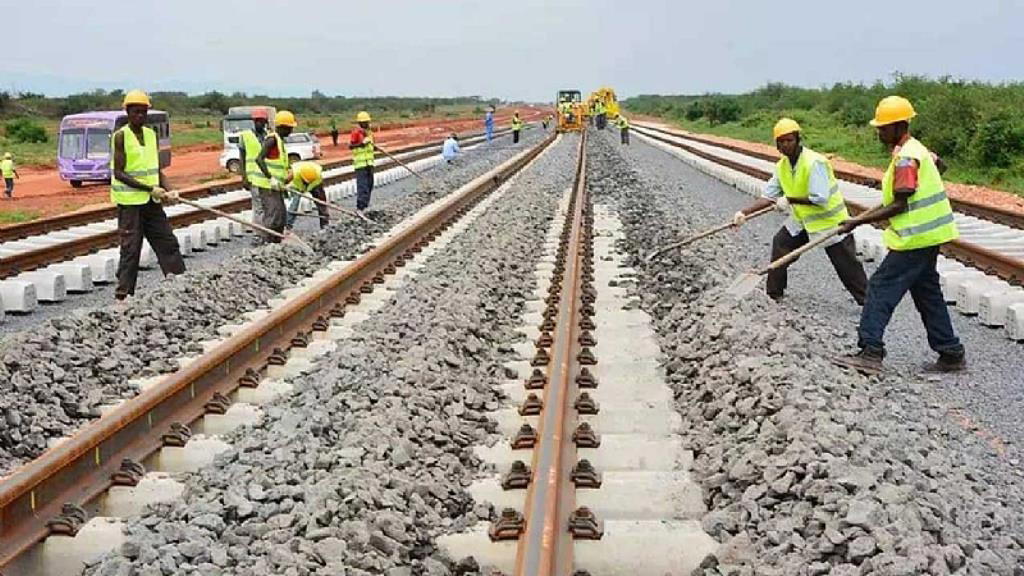
Nigeria’s railway sector has experienced a revival in recent years with the development of new standard gauge lines such as Abuja–Kaduna and Lagos–Ibadan. Though still expanding, the rail system is gradually improving intercity travel and boosting economic activity.
The post Top 10 African countries with best rail systems in 2025 appeared first on Vanguard News.
