By Gift ChapiOdekina, Abuja
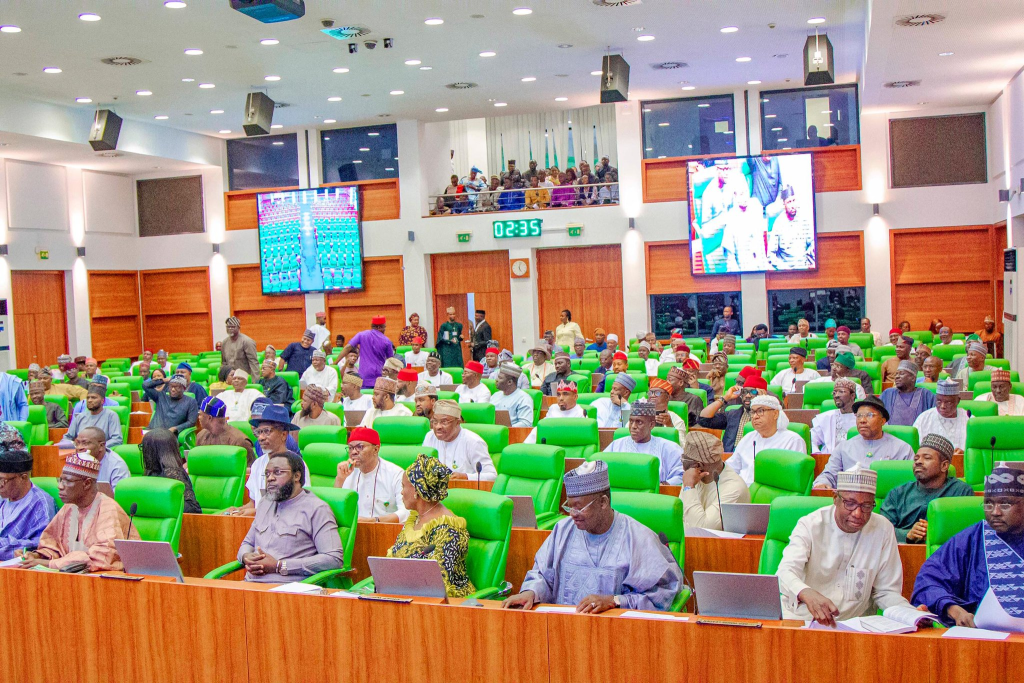
As the National Assembly votes on the State Police Constitution Alteration Bill this week following President Bola Tinubu’s plea, the national debate on decentralised policing has intensified.
Stakeholders across the political, security and civil society spectrum remain sharply divided over what state police could mean for Nigeria’s fragile security landscape.
While proponents argue that a decentralised system is the only realistic path to addressing Nigeria’s escalating insecurity, opponents warn that without strict safeguards, state police could deepen political abuse and exacerbate existing tensions.
The Case For
Supporters insist that Nigeria’s current centralised policing structure is outdated and incapable of responding to the country’s complex security threats.
Security experts say the creation of state police will bring law enforcement closer to communities, enabling faster response, better intelligence gathering and improved trust between citizens and security forces.
Advocates also point to the overstretched Nigeria Police which is battling insurgency, banditry, kidnapping, and rural violence across multiple regions. Decentralisation, they argue, will allow the federal police to focus on terrorism and interstate crime while state commands tackle neighbourhood and local threats.
Many governors and legislators believe decentralised policing could significantly reduce rural attacks, strengthen community policing and generate thousands of jobs for young people across the states.
Analysts further note that adopting state police aligns Nigeria with other federal systems like the United States, India and Germany, where layered policing structures are considered more efficient and responsive.
What Critics Say
However, critics warn that the potential benefits must be weighed against serious risks.
One of the strongest concerns is the fear that state governors could weaponise state police forces to intimidate political opponents, suppress dissent, or influence elections especially in states with tense political histories.
Funding is another major worry. Several states already struggle to meet basic obligations such as salary payments. Security specialists question how these states will finance a functional police force, including training, equipment, welfare and logistics.
There are also fears of ethnic bias and exclusion.
Opponents warn that state-controlled police could marginalise minority groups within states, fuelling resentment and potentially worsening local conflicts.
Analysts also caution that creating 36 different police forces may lead to fragmentation, weak coordination, and conflicting jurisdictions unless the federal government establishes strong oversight mechanisms.
Human rights groups have raised additional concerns about the possibility of corruption and abuses being replicated at the state level, especially if accountability structures are weak.
A Decisive Moment
As lawmakers vote, the debate remains evenly split. What is not in dispute, however, is that Nigeria’s current security situation has reached a breaking point. Whether state police becomes the long-awaited solution or introduces new challenges will depend on how carefully the law is crafted and how effectively the safeguards are enforced.
The coming weeks at the National Assembly will determine whether the reform becomes a historic step toward community-driven security or a contentious restructuring battle that reshapes Nigeria’s political and security future.
The post Nigeria Weighs State Police appeared first on Vanguard News.
