By Clifford Ndujihe
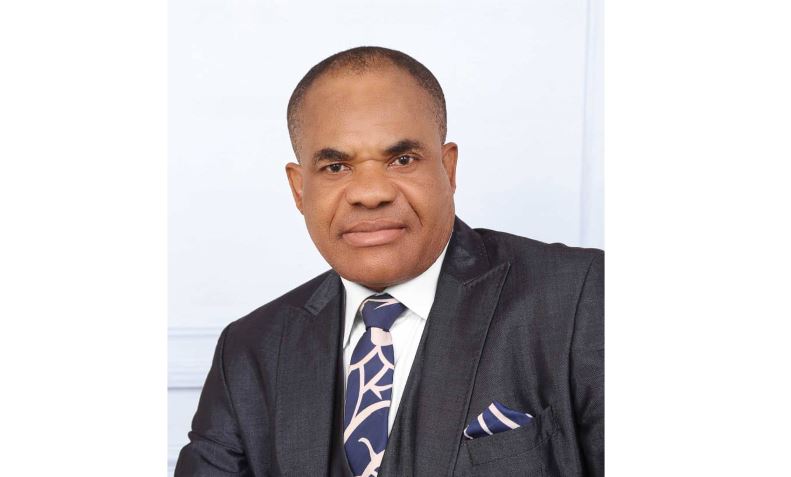
A cleric and leader of the Igbo Re-Invention Movement, IRM, Dr. Iwuchukwu Ezenwafor, has attributed what he described as the long-standing challenges facing the Igbo people to colonial-era prejudice, misrepresentation and a perceived spiritual dislocation.
In a lengthy position paper titled: “The Anti-Semitic Genesis of the Igbo Trouble,” Evangelist Ezenwafor argued that British colonial authorities developed a negative perception of the Igbo from the early stages of contact, a development he said influenced policies and governance approaches in Igbo land until independence.
According to him, a pre-colonial survey reportedly commissioned by Queen Victoria made reference to a coastal people who practised circumcision on the eighth day, a detail he claimed shaped the colonial belief that the Igbo were of Hebrew origin. He said this perception, coupled with the Igbo republican political culture, made them appear difficult to govern compared to other groups in the Southern Protectorate.
Ezenwafor contended that colonial administrators viewed the Igbo as overly assertive, independent and resistant to indirect rule, leading to what he described as deep-seated prejudice that persisted through census exercises, constitutional arrangements and the transition to independence.
He further argued that Nigeria was deliberately structured by the British to remain unstable, alleging that fears of Igbo dominance were deliberately planted among other ethnic groups to justify political exclusion and post-independence marginalisation.
“The independence granted Nigeria was fundamentally flawed,” he claimed, adding that the political framework handed over at independence was designed to keep the country perpetually divided and dysfunctional.
On the failure to allow an independent Igbo nation after the civil war, Ezenwafor said British diplomatic actions showed discomfort with the full political emancipation of Nigeria’s major ethnic groups, including the Igbo, Yoruba and Hausa-Fulani.
Beyond colonial factors, the cleric also attributed the present condition of the Igbo to what he described as internal weaknesses, particularly the abandonment of a supposed ancestral covenant with God.
He criticised the popular saying “Igbo enwe eze” (the Igbo have no king), describing it as a destructive narrative that undermined unity, loyalty and leadership among the people.
According to him, the saying fostered disunity, eroded collective identity and encouraged moral and spiritual decline, including what he described as the rise of idolatry and unethical practices in business and politics.
Ezenwafor maintained that the Igbo’s true challenge was not hostility from neighbouring ethnic groups but internal rebellion and loss of spiritual direction, which he said had weakened their political and economic influence despite their entrepreneurial strengths.
He called for collective self-examination and a return to what he described as the Igbo’s covenant relationship with God, insisting that spiritual restoration was key to political relevance, unity and long-term progress.
“The solution lies in retracing our steps and restoring our relationship with God,” he said, expressing optimism that reconciliation and renewal would eventually restore the Igbo to what he termed their rightful place within Nigeria and the global community
The post How colonial legacy, identity crisis caused Igbo challenges — Cleric appeared first on Vanguard News.
