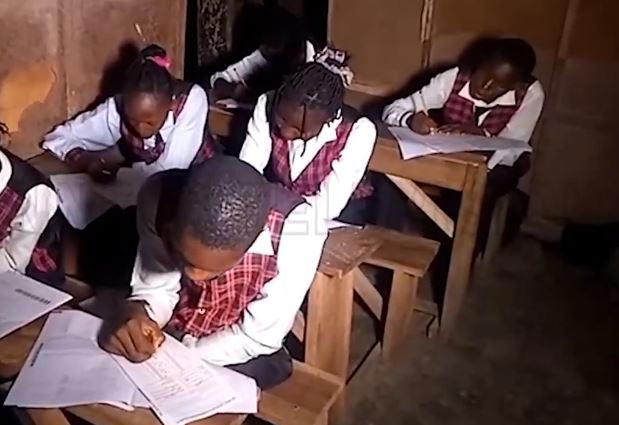
The recent reaffirmation of the blanket ban on admission of students directly into Senior Secondary School Three, SSS3, the final class before the West African Senior School Certificate Examination, WAEC, and National Examination Council, NECO, by the Federal Government, has ignited concern across Nigeria’s education sector. Authorities insist the policy is designed to protect academic standards and curb examination malpractice.
While the intent may be noble, its implementation raises serious questions about fairness, access and the realities of Nigeria’s diverse schooling landscape.
On the surface, the policy is well grounded in sound educational principle. Learning is cumulative and SS3 is not merely a finishing line; it is the culmination of a three-year senior secondary curriculum.
Allowing students to “parachute” into the terminal class, often with the sole aim of sitting external examinations, undermines continuity, weakens assessment integrity and creates room for abuse.
In many cases, schools that accept such students do so for economic reasons rather than academic merit, thereby, encouraging shortcuts and eroding public confidence in secondary school certificates.
However, the complexity of the Nigerian educational landscape complicates this logic.
Parental relocation, insecurity, school closures, health challenges, financial hardship, or the separation of junior and senior secondary schools across different locations are common occurrences.
Private schools also shut down abruptly sometimes; families migrate due to work or conflict. So, a rigid ban that makes no allowance for such circumstances risks punishing students for circumstances they did not create.
There is also the issue of uneven capacity across schools and states. Not all SS1 and SS2 classes are equal in quality or resources. Some students seek transfer late in their secondary education precisely because their previous schools failed them.
Moreover, following the decline or restructuring of remedial and continuation schools that once absorbed academically struggling students, many learners now face limited options.
Denying such students access to SSS3 without credible alternatives amounts to sacrificing individual futures on the altar of administrative convenience.
If the policy is to serve the national interest, it must be accompanied by clear, humane safeguards.
First, the government should define limited, transparent exemptions which must include considerations such as documented relocation or school closure, subject to standardised placement assessments. Regulators must strengthen monitoring to ensure compliance with curriculum requirements from SS1 to SS3 and close all loopholes that made the ban necessary in the first place.
Equally important is renewed investment in bridging, remedial, and second-chance programmes for students who miss schooling time or fail exit examinations.
Education policy should balance standards with opportunity. Nigeria needs an approach that upholds academic integrity while reflecting compassion, flexibility, and an honest appreciation of citizens’ lived realities.
The post FG’s ban on admission into SS3: Orderly reform or punitive policy? appeared first on Vanguard News.
