The official birth rate in China has plunged to its lowest level since the country's communist revolution in 1949, sparking questions about how to increase the population after generations of limiting families to just one child.
A decade after ending China's longtime one-child policy, authorities are pushing a range of ideas and policies to try to encourage more births — tactics that range from cash subsidies to taxing condoms to eliminating a tax on matchmakers and day care centres.
The efforts haven't paid off yet. At least, that's what population figures released on Monday show for what is now the world's second-most populous nation.

China's population of 1.4 billion continued to shrink, marking the fourth straight year of decrease, new government statistics show. The total population in 2025 stood at 1.404 billion, which was 3 million less than the previous year.
Measured another way, the birth rate in 2025 — 5.63 per 1000 people — is the lowest on record since 1949, the year that Mao Zedong’s Communists overthrew the Nationalists and began running China. Figures before that, under the previous Nationalist government, were not available.
China was long the world’s most populous nation until 2023, when it was surpassed by regional neighbour and sometime rival India.
Monday's statistics illustrate the stark demographic pressures faced by the country as it tries to pivot from a problem it is working hard to overcome: status as a nation with a growing but transitional economy that, as is often said, is “getting old before it gets rich".
Is a snake involved?
The number of new babies born was just 7.92 million in 2025, a decline of 1.62 million, or 17 per cent, from the previous year. The latest birth numbers show that the slight tick upward in 2024 was not a lasting trend. Births declined for seven years in a row through 2023.
Most families cite the costs and pressure of raising a child in a highly competitive society as significant hurdles that now loom larger in the face of an economic downturn that has impacted households struggling to meet their living costs.
Another potential factor in the numbers: last year in China was the year of the snake, considered one of the least favoured years for having a child under the Chinese zodiac.
Like many other countries in Asia, China has faced a declining fertility rate, or the average number of babies a woman is expected to have in her lifetime.
READ MORE: Third shark attack in two days in Sydney, 20 beaches closed
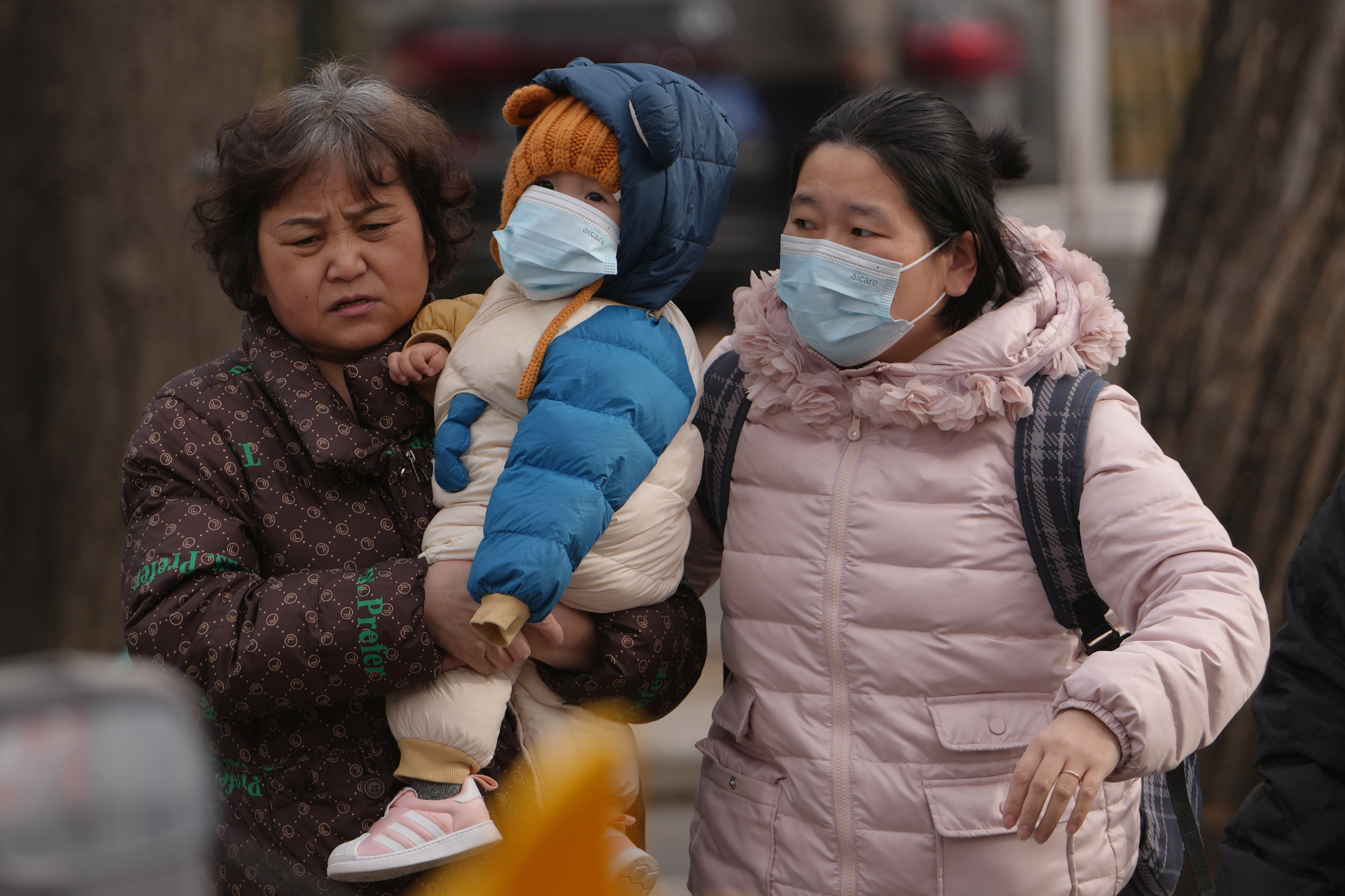
While the government does not regularly publish a fertility rate, last saying it was 1.3 in 2020, experts have estimated it is now around 1. Both figures are far below the 2.1 rate that would maintain the size of China's population.
For decades, the Chinese government barred people from having more than one baby and often sanctioned those who did — a policy that produced more than two generations of only children.
In 2015, the government raised the permitted number of offspring to two and then, facing demographic pressure, further revised the limit to three in 2021.
Economics are behind the decision
The push for more births is about the economy. China now has 323 million people over the age of 60, or 23 per cent of the entire population. That number has continued to rise, while the working-age population is shrinking, meaning there are fewer workers to support the older population.
This demographic shift is happening while China is in the process of trying to transition away from labour-intensive industries such as farming and manufacturing into a consumer-driven economy built with high-tech manufacturing.
While China’s rapid development in manufacturing with high-tech and robotics can reduce the impact of a shrinking labour force, “the bigger concern is whether economic growth can stay afloat with a shrinking population,” said Gary Ng, senior economist for Asia Pacific at French investment bank Natixis.
China reported a 5 per cent annual economic growth for 2025 on Monday, based on official data. But some analysts expect growth to slow over the next few years.
To cope with these massive changes, China will eventually need to reform its pension system, Ng said, as well as broaden the tax base to cope with the higher government expenditure.
Officials have had limited success with policy changes to incentivise families to have more children. In July, the government announced cash subsidies of 3600 yuan ($769) per child to families.
Coupling incentives with other attempts to mould behaviour, the government also has started taxing condoms. China removed contraceptives, including condoms, from a value-added tax exemption list in 2025, meaning condoms are now being hit with a 13 per cent tax that kicked into effect on January 1.
To further promote child-rearing, kindergartens and daycares have been added to the tax-exemption list, along with matchmaking services.
DOWNLOAD THE 9NEWS APP: Stay across all the latest in breaking news, sport, politics and the weather via our news app and get notifications sent straight to your smartphone. Available on the Apple App Store and Google Play.