4 min read
FSOT upgraded to ND-awarding Monotechnic amid occupational therapy shortage
vanguardngr.com
Wednesday, February 18, 2026
… Matriculates 53 pioneer studentsBy Chioma Obinna To tackle the acute shortage of rehabilitation professionals, the Federal School of Occupational Therapy, FSOT, Nigeria’s only specialised institution dedicated to occupational therapy, has been upgraded to a National Diploma-awarding institut...
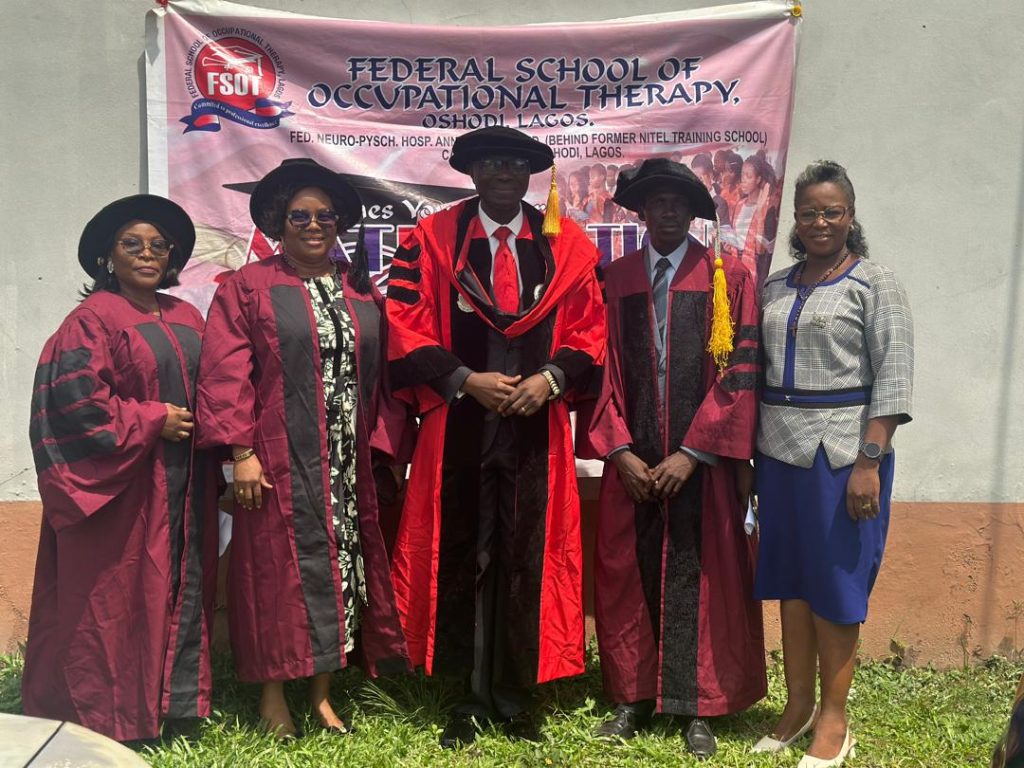
… Matriculates 53 pioneer students
By Chioma Obinna
To tackle the acute shortage of rehabilitation professionals, the Federal School of Occupational Therapy, FSOT, Nigeria’s only specialised institution dedicated to occupational therapy, has been upgraded to a National Diploma-awarding institution as it matriculated its pioneer set of students into the new programme.
Speaking at the first matriculation ceremony for the National Diploma programme, 2025/2026 pioneer set, the Medical Director of the Federal Neuropsychiatric Hospital Yaba and FSOT, Dr. Olugbenga Owoeye, described the transition as a turning point for manpower development in mental health care.
“This school was established about 25 years ago as a diploma-awarding institution. This administration moved it to the next level so that the qualification we award here will now be recognised like other polytechnic diplomas in Nigeria,” Owoeye said.
He explained that the school secured accreditation from the National Board for Technical Education, while admissions are now processed strictly through the Joint Admissions and Matriculation Board.
“Currently, you can only gain admission through JAMB, and we are fully recognised by NBTE. Very soon, we will commence Higher National Diploma programmes,” he added.
A total of 53 pioneer students were matriculated into the ND programme for the 2025/2026 academic session.
Owoeye acknowledged federal government support but stressed the need for more investment.
“The government has been supportive in the area of funding, but we need more recruitment of teaching staff, infrastructural development and research funding. Our skill acquisition building is still under construction,” he said.
Despite the migration challenge, Owoeye expressed optimism about the future. “We will increase our intake and continue to strengthen manpower training in mental health. The job market is there, and Nigeria needs these professionals because their number is very few,” he said.
Speaking, Acting Registrar, Mrs. Omoike Philomena, said the school received approval to admit 60 students but enrolled 53 due to late clearance. “The least score among them was 170. These are bright and committed students,” she said.
Founded in 2002, the school has trained about 900 occupational therapy assistants over the years, but more than 80 per cent are currently practising abroad.
“Many of them are in the UK, US and other countries. They are doing very well, but Nigeria needs them,” Philomena noted.
Philomena also called for expansion of facilities. “This is a rehabilitation profession that requires workshops, laboratories and equipment. Our major constraint is finance. If we have adequate funding, we can expand and produce more professionals,” she said.
She said with the rising cases of stroke, trauma, developmental disorders and mental health conditions nationwide, strengthening occupational therapy education is key to closing one of the country’s most critical healthcare gaps.
Also, speaking, Acting Provost, Mr. Ayooluwa Oni, highlighted the scale of the workforce crisis, revealing that only a handful of occupational therapists remain in major public hospitals.
“In LUTH, we have just nine, Igbobi, six. UBTH has only one, ARO we have just two. Yaba has about nine. We now have two in the North, Kano and Bauchi. That is the situation across the country,” he said.
He disclosed that even when hospitals build capacity, migration continues to deplete the system.
“At one time, UBTH had about 14 therapists. They left together for the UK. The demand abroad is very high,” Oni said.
He explained that occupational therapy focuses on helping patients regain independence after illness, injury or disability.
“When someone has a stroke, fracture or developmental delay, they may lose the ability to eat, dress or work independently. Occupational therapists retrain them, modify their environment, prescribe adaptive equipment and help them reintegrate into society,” he said.
The post FSOT upgraded to ND-awarding Monotechnic amid occupational therapy shortage appeared first on Vanguard News.
Read the full article
Continue reading on vanguardngr.com


