4 min read
10 most import-dependent countries in Africa
vanguardngr.com
Tuesday, February 17, 2026
In the evolving landscape of 2026, African economies are navigating a complex transition. While the African Continental Free Trade Area (AfCFTA) aims to bolster self-sufficiency, many nations remain heavily tied to global supply chains. Import dependency — measured as the value of imports rela...
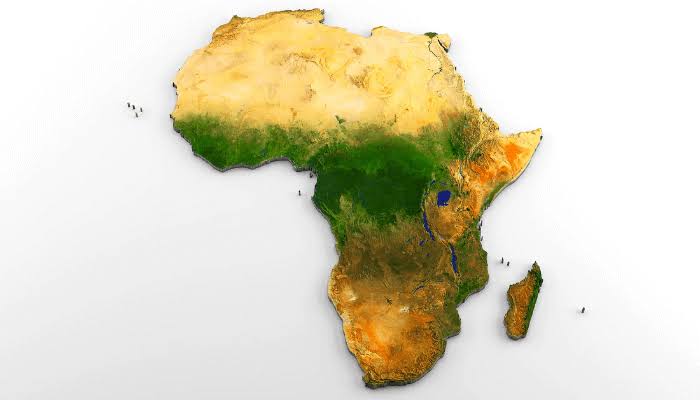
In the evolving landscape of 2026, African economies are navigating a complex transition. While the African Continental Free Trade Area (AfCFTA) aims to bolster self-sufficiency, many nations remain heavily tied to global supply chains.
Import dependency — measured as the value of imports relative to a country’s Gross Domestic Product (GDP) — serves as a critical indicator of economic vulnerability to currency fluctuations and global price shocks.
Here are the 10 most import-dependent countries in Africa based on the latest economic data.
1. Somalia (99% of GDP)
Somalia remains the most import-dependent nation on the continent. Decades of conflict have hindered the development of a robust industrial base, leaving the country reliant on foreign markets for nearly all essential goods.
Key Imports: Food (accounting for over 35% of total imports), refined petroleum, and construction materials.
Risk Factor: Extreme vulnerability to global grain price spikes.
2. Lesotho (99% of GDP)
Completely landlocked and surrounded by South Africa, Lesotho’s economy is inextricably linked to its neighbour. It imports the vast majority of its consumer goods and industrial inputs.
Key Imports: Refined petroleum, electricity, and manufactured consumer goods.
Economic Context: Its high dependency is a byproduct of its geographic “island” status within South Africa.
3. Mauritius (78% of GDP)
As a sophisticated island economy, Mauritius is integrated into global trade services but lacks the natural resources to be self-sufficient.
Key Imports: Petroleum products, raw materials for its textile industry, and specialized machinery.
Strategy: The country balances high imports with a strong service-based export sector (finance and tourism).
4. Namibia (68% of GDP)
Despite being rich in diamonds and uranium, Namibia imports a significant portion of its economic output. It relies heavily on South Africa for processed food and energy.
Key Imports: Refined petroleum, delivery trucks, and wheat.
Observation: High dependency persists despite a wealthy natural resource base, highlighting a gap in local processing capacity.
5. Libya (57% of GDP)
Libya’s economy is a classic example of “resource paradox.” While it exports massive amounts of crude oil, it lacks the refining infrastructure to meet domestic needs.
Key Imports: Refined petroleum, motor vehicles, and durum wheat.
Stability Factor: High foreign exchange reserves from oil help cushion the cost, but political instability makes supply chains fragile.
6. Guinea (56% of GDP)
Guinea is a major global player in bauxite production, yet it remains heavily dependent on imports for finished products and fuel.
Key Imports: Refined petroleum, rice, and heavy machinery.
Growth Outlook: Ongoing investments in infrastructure are currently driving high capital-good imports.
7. Tunisia (56% of GDP)
Tunisia’s import bill is driven by its manufacturing sector’s need for raw materials and the population’s demand for energy and food.
Key Imports: Refined petroleum, wheat, and automotive parts.
Pressure: This dependency has put significant strain on the country’s foreign exchange reserves in recent years.
8. Cabo Verde (54% of GDP)
As an archipelago with limited arable land and fresh water, Cabo Verde is naturally predisposed to high import levels.
Key Imports: Foodstuffs, fuels, and construction materials.
Geographic Constraint: Isolation forces the nation to rely on maritime trade for almost all basic necessities.
9. Eswatini (54% of GDP)
Similar to Lesotho, Eswatini’s economy is closely tied to South Africa. It relies on its larger neighbour for energy and diverse manufactured goods.
Key Imports: Refined petroleum, chemical products, and machinery.
Trade Link: Most imports are facilitated through the Southern African Customs Union (SACU).
10. Mozambique (53% of GDP)
Mozambique’s dependency is largely driven by large-scale infrastructure projects and a lack of domestic manufacturing.
Key Imports: Refined petroleum, aluminum oxide (for processing), and specialised equipment.
Trend: As the country develops its LNG (Liquefied Natural Gas) capabilities, capital imports remain high.
The post 10 most import-dependent countries in Africa appeared first on Vanguard News.
Read the full article
Continue reading on vanguardngr.com


