9 min read
The Ungram House: 17 Anti-Aesthetic Design Choices for Homes You Actually Live In
home-designing.com
Wednesday, February 11, 2026
For years, social media has shaped how homes are styled. Perfectly folded throws, spotless kitchens, color-coded bookshelves, and rooms that look more like sets than places where real life happens. But a quieter, more honest design movement is taking hold. The Ungram House is not about rejecting ...
For years, social media has shaped how homes are styled. Perfectly folded throws, spotless kitchens, color-coded bookshelves, and rooms that look more like sets than places where real life happens. But a quieter, more honest design movement is taking hold. The Ungram House is not about rejecting beauty. It’s about rejecting pressure.
It celebrates spaces that are flexible, forgiving, slightly imperfect, and genuinely comfortable. Homes designed for people who cook, rest, work, argue, host friends, raise kids, and spill coffee on the sofa. This is a design approach that values function, emotional comfort, and adaptability over visual performance. Below are 17 anti-aesthetic design choices that help create homes you actually enjoy living in, long after the photos would have been taken.
1. Visible Storage Instead of Hidden Perfection

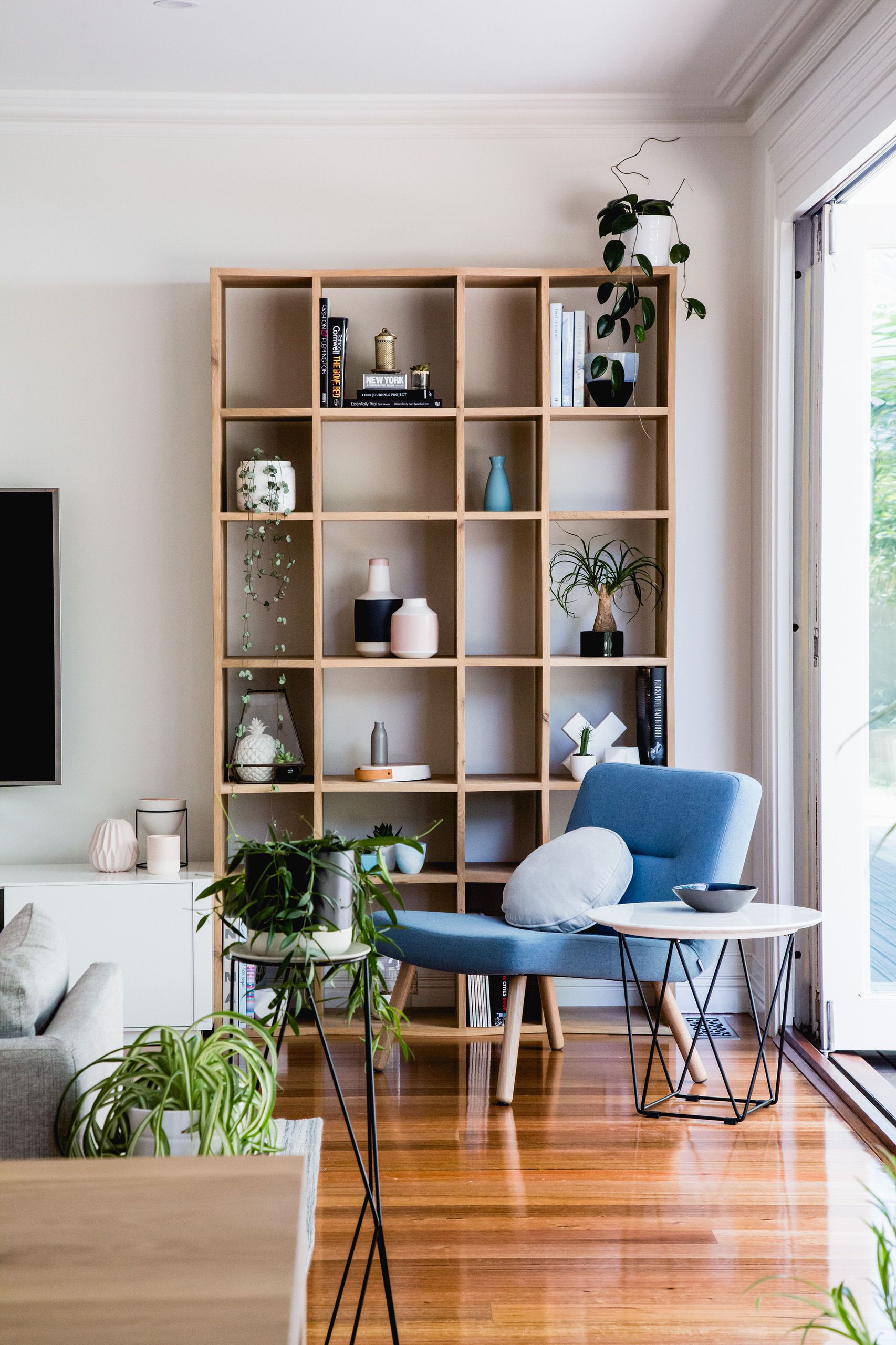
The Ungram house doesn’t try to hide daily life. Open shelves, baskets, wall hooks and open cubbies allow everyday objects to stay accessible instead of being constantly tucked away for appearances. Visible storage acknowledges how people move through a space. Bags, books, headphones, and shoes can live where they are actually used. When storage is practical rather than concealed, tidying becomes faster and less stressful. It also removes the pressure to constantly curate what’s on display. A lived-in shelf can feel warmer and more honest than a perfectly styled cabinet.
2. Layered Lighting Instead of One Statement Fixture

One dramatic ceiling light might photograph well, but it rarely supports how people use a room. The Ungram house relies on layered lighting, floor lamps, table lamps, wall lights and soft ambient sources. Multiple light levels allow rooms to shift throughout the day. Reading, hosting, working and resting all require different light moods. This approach makes spaces feel calmer, more flexible and more emotionally supportive, especially in the evening.
3. Sofas Chosen for Comfort, Not Shape

In an Ungram house, the sofa is chosen for how it supports your body, not how slim it looks in a photo. Deep seats, generous cushions and supportive backs matter more than sharp silhouettes. A comfortable sofa encourages people to stay longer, gather naturally and actually relax. Performance fabrics, washable covers and forgiving textures allow real use without anxiety. The living room becomes a place to land, not a place to maintain. Comfort stops being a compromise and becomes the core design choice.
4. Open Kitchens Designed for Collaboration

In the Ungram house, kitchens are not staged backdrops. They are working spaces designed for more than one person at a time. Clear walkways, shared prep zones, accessible storage, and informal seating allow family members and guests to participate instead of hovering on the edge. Rather than centering the layout around a single “show” island or a perfectly styled splash back, the focus is on how people move, cook, and gather together in real life. Wide circulation paths make it easy for multiple people to work without bumping into each other. Drawers and open shelves are placed where they are actually needed, so anyone can help set the table, prepare ingredients, or clean up without asking where things are stored.
5. Multipurpose Rooms That Don’t Pretend

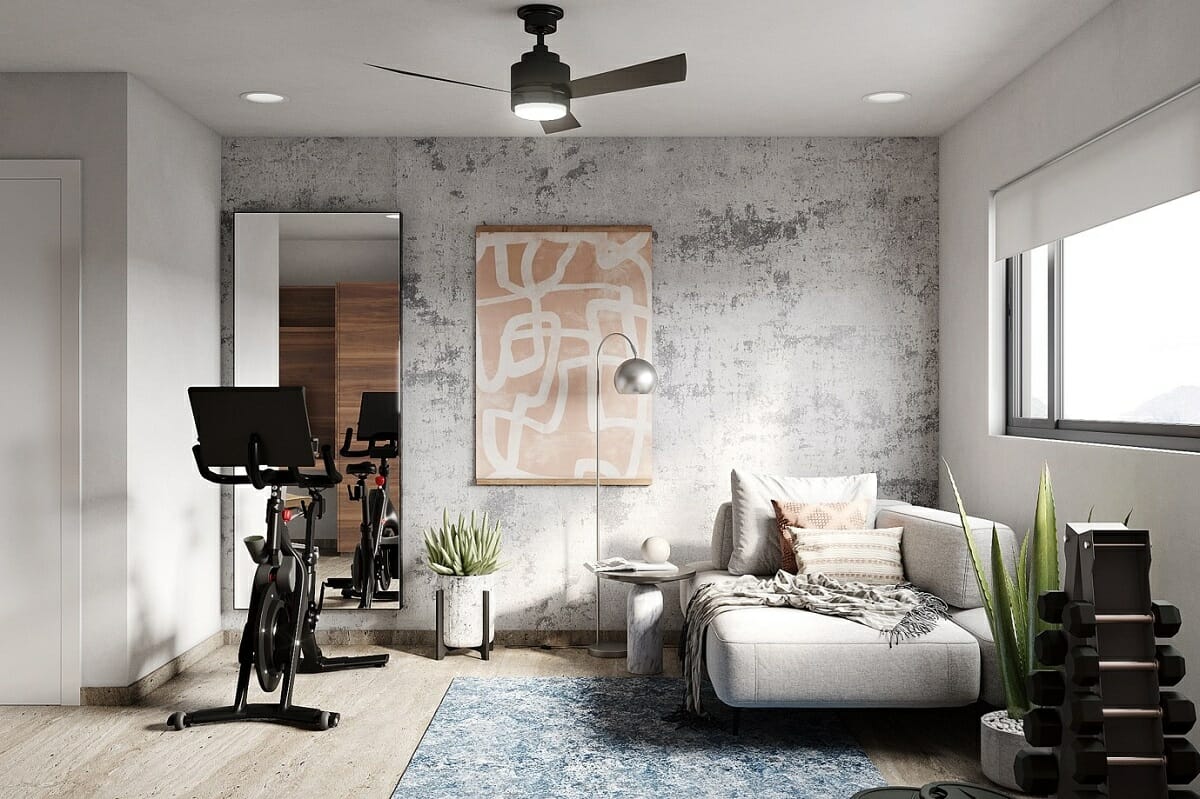
Multipurpose rooms are one of the clearest expressions of the Ungram house because they openly reflect how life actually unfolds at home. Guest rooms become offices. Playrooms become lounges. Spare rooms become shared studios. Instead of hiding these overlapping functions behind styled décor or folding everything away for appearances, ungram design allows each role to exist honestly in the same space. A desk can sit beside a daybed. Craft storage can live next to a wardrobe. Shelving can hold both work files and children’s games. Furniture is chosen to move easily and serve more than one purpose, while storage supports shifting activities throughout the day.
6. Sliding Barn Doors

Sliding barn doors fit the Ungram house when they are chosen for how they solve everyday problems rather than how they photograph. They are especially useful in homes where space is tight or layouts are flexible, because they don’t need clearance like traditional swing doors. This makes movement easier for families, pets, and shared spaces that change throughout the day. In real homes, sliding doors work well for separating work corners, guest rooms, laundry spaces, or play areas without permanently closing off the room.
7. Mixed Chairs Instead of Matching Sets

Perfectly matched dining sets look orderly,but they don’t always reflect real life. Mixing chairs allows flexibility, personal taste and comfort differences to coexist at one table. Some people prefer armrests. Some need higher backs. Some chairs might be inherited or found later. An Ungram dining space accepts variation. The result often feels warmer and more layered, with subtle personality replacing showroom symmetry.
8. Wall Finishes That Age Gracefully

Instead of ultra-smooth, perfect paint finishes, Ungram homes choose wall surfaces that can accept marks, movement, and wear. Limewash, clay plaster, and soft textured coatings hide small scuffs and fingerprints while gaining character over time. These finishes don’t demand constant repainting and don’t visually punish everyday life. This anti-aesthetic choice accepts that walls are touched, leaned on, and lived with , and that beauty can come from gentle aging rather than permanent perfection.
9. Boxy Furnishings

Boxy furnishings may not look soft or sculptural in photos, but they often work better in real homes. Straight-lined sofas, square armchairs, and modular seating pieces usually offer deeper seats, better support, and easier layout planning. In an Ungram home, furniture needs to hold up to daily use, changing family needs, and casual living. Boxy forms are easier to push together, pull apart, and rearrange when hosting guests, creating play space, or working from home. They prioritise function and comfort over visual drama, which aligns perfectly with homes designed for real routines.
10. Drop Zones Instead of Styled Entryways

A real home needs somewhere to catch daily chaos. Ungram entry spaces focus on drop zones rather than decorative consoles and curated décor. A simple bench, wall hooks, baskets, and a small shelf allow bags, shoes, jackets, and keys to land naturally when people walk in. This design supports real behaviour instead of forcing constant organisation. When storage is placed exactly where habits happen, clutter doesn’t spread through the rest of the house. Drop zones may not look glamorous, but they quietly keep the entire home functioning better.
11. Oversized Coffee Tables for Real Use

In many styled interiors, coffee tables exist mainly for décor. In an Ungram house, an oversized coffee table becomes a genuine working surface. It holds board games, homework, snacks, laptops, art supplies, and everyday clutter without feeling constantly overloaded. Larger surfaces allow multiple activities to happen at the same time, especially important in shared family spaces. This design choice supports how living rooms actually function today, where relaxing, working, and playing often overlap. It prioritizes usefulness over proportions made purely for visual balance.
12. Lived-In Wood Floors That Age Gracefully

Wood floors are one of the most practical and emotionally grounding choices in an Ungram house. They age naturally, develop character over time, and are far more forgiving than delicate finishes. Scratches and marks become part of the story of the home rather than something to constantly fix or hide. Wood flooring also supports everyday living better than high-gloss or highly patterned surfaces, making cleaning easier and rooms feel warmer and more comfortable underfoot.
13. Open Bathroom Storage That Accepts Real Life

In an Ungram home, the bathroom is designed to work first, not impress. Open shelving beside the sink or shower allows towels, skincare, and daily products to stay visible and easy to reach. Instead of hiding everything behind perfect cabinetry, open storage reflects how people actually use bathrooms,especially in shared family homes where speed and access matter. This design removes the pressure to constantly clear countertops and restyle shelves. A bathroom that allows visible routines feels more relaxed, easier to maintain, and far more honest than one designed purely for visual symmetry.
14. Overfilled, Lived-In Bookshelves

Perfectly styled bookshelves rarely belong to real readers. Ungram homes embrace shelves that are full, uneven, and slightly chaotic, stacked books, mixed formats, personal collections, and objects gathered over time. This type of bookshelf is functional first. It allows people to reach for books quickly, add new ones easily, and display what actually matters to them. The visual irregularity becomes part of the home’s personality. Instead of editing shelves for appearance, Ungram design lets collections grow naturally, turning storage into an authentic reflection of daily life.
15. Seating Chosen for Different Bodies

Ungram homes accept that one chair cannot suit everyone. Instead of uniform seating, spaces include different seat heights, depths, and support levels. Some seats are softer, some firmer, some easier to get out of. This supports children, older adults, and people with different physical needs. It’s an anti-aesthetic decision because visual consistency is sacrificed in favour of physical comfort and inclusion , which ultimately makes the home genuinely more liveable.
16. Kid and Hobby Corners in Shared Rooms

Instead of hiding hobbies and children’s activities behind closed doors, Ungram homes allow permanent creative corners inside shared spaces. A small art desk in the living room, a piano tucked into a corner, or a sewing table beside a window makes daily creativity visible and accessible. These corners aren’t styled to disappear , they exist because people actually use them every day. This choice removes the pressure to reset rooms after every activity and allows creativity to live naturally inside family life.
17. Window Ledges Used as Everyday Surfaces

Window ledges are often styled with a single plant and left untouched. In an Ungram house, they become working surfaces, used for books, small lamps, plants, chargers, or a morning coffee. When window sills are wide enough, they naturally turn into casual shelves or mini desks. This use of overlooked architectural features adds practical surface space without adding furniture. It supports slow, everyday moments and makes better use of what the home already offers—rather than buying new décor to fill visual gaps.
Wrap-Up
The Ungram House is a reminder that good design doesn’t exist to impress, it exists to support everyday life. From flexible layouts and honest materials to spaces that welcome mess, movement, and change, these anti-aesthetic choices celebrate how homes are actually used. For readers of Home Designing, this approach shows how thoughtful design can create calmer, more forgiving interiors that feel human rather than staged. When comfort, routine, and emotional ease come first, a home becomes more than beautiful, it becomes genuinely livable.
Read the full article
Continue reading on home-designing.com