3 min read
Emotional, Scientific, and Social Dimensions of Hugs
deccanchronicle.com
Wednesday, February 11, 2026

In today’s modern Valentine’s Week celebrations, Hug Day has emerged as a meaningful reminder that love does not always need words. While Valentine’s Day began centuries ago as a romantic tradition, Hug Day was added recently as society recognized emotional connection beyond gifts and messages. I...
In today’s modern Valentine’s Week celebrations, Hug Day has emerged as a meaningful reminder that love does not always need words. While Valentine’s Day began centuries ago as a romantic tradition, Hug Day was added recently as society recognized emotional connection beyond gifts and messages. It reflects how simple physical gestures can express care in a fast-paced digital world.

Hugs are one of the most powerful non-verbal forms of communication in modern times. A hug can say “I’m here for you,” “You matter,” or “You are not alone” without speaking a single word. In moments of joy, grief, stress, or celebration, a hug bridges emotional gaps instantly. Psychologists often describe it as a universal language of comfort understood across cultures and ages.
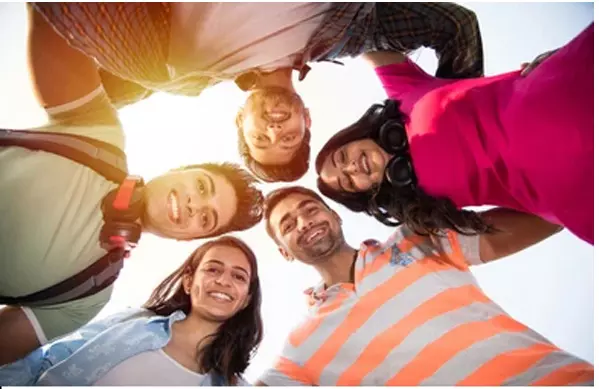
Image Source: Internet
There are many types of hugs, each carrying its own emotion. The friendly hug shows warmth and connection, the tight hug expresses deep affection or relief, the side hug reflects casual support, and the long hug offers comfort during difficult moments. Group hugs build unity, while surprise hugs create happiness.
A study published in the International Journal of Environmental Research and Public Health examined how frequent hugging influences stress hormones in daily life. Using ecological momentary assessment, researchers tracked how often people hugged and their cortisol levels. The findings revealed that those who hugged more often experienced lower stress responses the next morning, proving that hugs help the body manage anxiety more effectively.
Representational Image
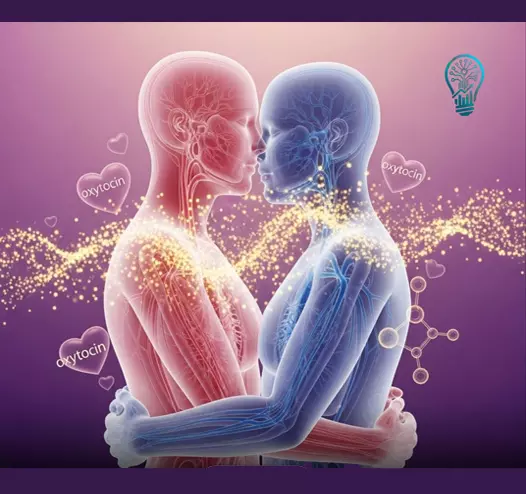
Science shows that hugging releases oxytocin, often called the “love hormone,” which reduces stress, lowers blood pressure, and improves mood.
Sri Mata Amritanandamayi Devi Facebook A/c
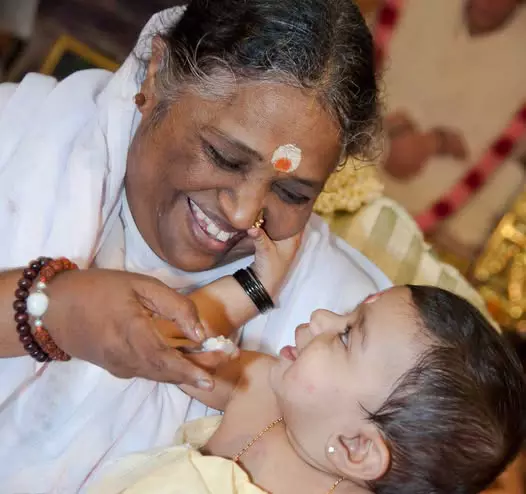
In this context, we need to mention India’s spiritual Guru- Mata Amritanandamayi, affectionately known as Amma, and globally revered as the “hugging saint”, whose embrace symbolizes unconditional love, compassion, and healing. Her unique way of spreading love, through physical hugs, has touched nearly 39 million people worldwide, from all walks of life, transcending barriers of nationality, religion, and social status. Amma believes that love is the essence of all religions and the true nature of God, and her hugs are her way of expressing this universal love. Her followers say her embrace conveys deep emotional healing and spiritual comfort, often felt as a powerful connection beyond words.

Chipko Movement ( 1973) | Image Source: Instagram
Beyond personal affection, hugs have also shaped history. A powerful example is India’s Chipko Movement in the 1970s, where women in Uttarakhand hugged trees to prevent them from being cut down by loggers. Their peaceful resistance saved forests and inspired environmental movements worldwide. The word “Chipko,” meaning “to stick to,” symbolized protection through care and courage.
In a world filled with screens, distance hugging is more than a romantic gesture. It represents emotional connection, healing, unity, and sometimes can also bring in a social change…
Read the full article
Continue reading on deccanchronicle.com
More from deccanchronicle.com

38 minutes ago
رئیس سازمان قضایی نیروهای مسلح: ملت آماده جانفشانی در برابر دشمن است

39 minutes ago
Borsa İstanbul'da gong Best Brands Grup Enerji için çaldı
39 minutes ago
Migration: Hamburg kritisiert Kürzungen bei Sprachkursen

39 minutes ago