5 min read
Insecurity: DHQ to deploy special forces to Kwara, Niger – CDS
vanguardngr.com
Tuesday, February 10, 2026
Chief of Defence Staff, Gen. Olufemi Oluyede, says the Defence Headquarters (DHQ) is set to deploy the Joint Special Task Force, known as ‘Savanah Shield’, to clean up terrorists in Kwara and parts of Niger. Oluyede made this known at the 2026 budget defence session organised by the House of R...
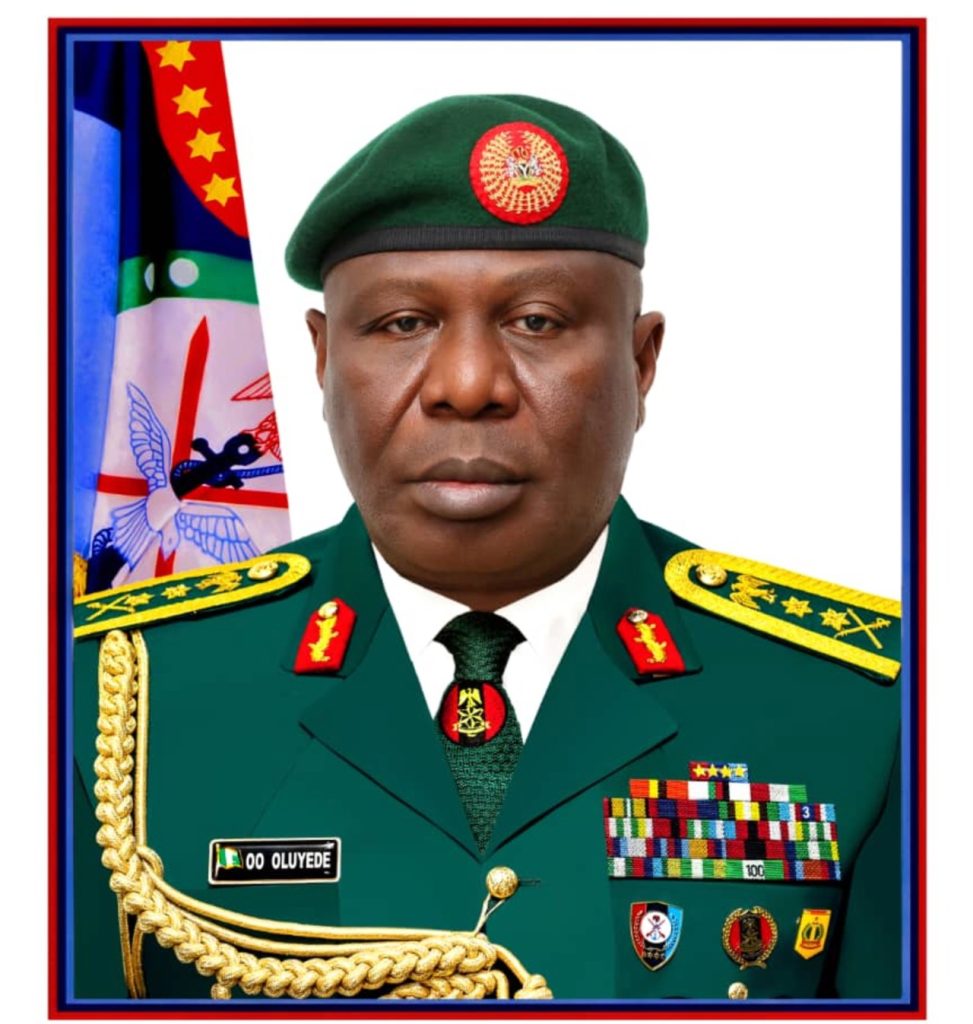
Chief of Defence Staff, Gen. Olufemi Oluyede, says the Defence Headquarters (DHQ) is set to deploy the Joint Special Task Force, known as ‘Savanah Shield’, to clean up terrorists in Kwara and parts of Niger.
Oluyede made this known at the 2026 budget defence session organised by the House of Representatives Committee on Defence in Abuja on Tuesday.
He said that the military had been doing everything with its best to ensure that Nigeria was safer for citizens and investors.
According to him, things are currently much better in the North-East zone, adding, however, that there are lingering challenges in the North-West and North-Central zones.
“We are evolving modalities to checkmate all these challenges within the ambit of the resources that we have.
“A new set of special forces was trained and drafted to Benue and Plateau; we are about to deploy another joint task force that will cover Kwara and some parts of Niger to ensure that things get better, and it will be named Savanah Shield.
“A joint task commander has been appointed, and we are trying to draw resources from other places to ensure that area is covered,” he stated.
The CDS, however, said it was not possible for the armed forces to cover the entire Nigerian landmass.
He called for strengthening sister agencies such as the Nigeria Police Force and the Nigerian Security and Civil Defence Corps (NSCDC) to collaborate with the military.
He said that, though there were numerous challenges, Nigerians needed to believe in the armed forces, support intelligence gathering, and desist from collaborating with terrorists for the situation to improve.
Oluyede described security as everybody’s concern, adding that until that idea was domesticated across all communities, the challenges might linger.
Earlier in his remarks, Chairman of the committee, Rep. Benson Babajimi (APC-Lagos), said that the defence and security sector continued to occupy a central place in Nigeria’s development discourse.
Babajimi said that no nation could make sustainable progress without guaranteeing the safety of lives, property and critical national assets.
“We, therefore, acknowledge the considerable gains made by our gallant armed forces and security agencies in degrading terrorist strongholds, curtailing insurgency and confronting criminality across various theatres of operation.
“Their valour and sacrifice, often under extremely challenging conditions, continue to inspire national gratitude.
“However, the persistence of security threats underscores the need for deeper institutional reforms, improved coordination and smarter deployment of scarce resources.
“The expectations of Nigerians are high, and rightly so. They demand results that translate into safer communities, restored livelihoods and renewed confidence in the authority of the state.
“In response to these expectations, the National Assembly, within the limits of available national resources, has continued to accord priority to the defence and security sector in successive budgets.
“However, increased allocations must be matched with measurable outcomes, value for money and strict adherence to principles of transparency and accountability,” he said.
Babajimi said that the era of input-focused budgeting without commensurate impact was no longer acceptable, saying that Nigerians want outputs and outcomes that reflect operational effectiveness and institutional efficiency.
The lawmaker noted that contemporary security challenges were dynamic and could not be addressed solely through kinetic approaches.
According to him, while military operations remain essential in degrading and deterring violent threats, experience has shown that sustainable peace requires a complimentary non-kinetic strategy.
“Issues such as poverty, youth unemployment, illiteracy, weak local governance, misinformation, community grievances and ideological radicalisation continue to fuel insecurity across different parts of the country.
“Consequently, this committee strongly advocates a whole-of-government and whole-of-society approach to national security where we invest significantly in strategic communication to counter extremist ideologies and win the hearts and minds of vulnerable communities.
“We must also fund community peacebuilding architectures that foster local intelligence, dialogue and reconciliation.
“We must bolster cyber defence capabilities to protect our digital sovereignty. We must enhance defence intelligence infrastructure for pre-emptive action.
“Furthermore, we must see investment in Border Security Technology, Police Reforms and Inter-Agency Data Fusion Centres as critical force multipliers.
“We must also encourage collaboration with relevant ministries, departments and agencies at the federal, state and local levels,” he said.
The chairman said that the 2026 defence budget must convincingly demonstrate a holistic balance between the sword and the ploughshares, between military might and the tools for sustainable peace.
He said that appropriate attention would be paid to personnel welfare, training and capacity development, equipment maintenance and modernisation, intelligence capabilities, logistics and the sustainability of ongoing operations.
The lawmaker said that recurring issues such as abandoned projects, procurement inefficiencies and delays in budget implementation must be decisively addressed.
While stating that the committee advocates resources genuinely required by the military to succeed, he insisted on transparency, a shared vision, and an unyielding commitment to results.
The post Insecurity: DHQ to deploy special forces to Kwara, Niger – CDS appeared first on Vanguard News.
Read the full article
Continue reading on vanguardngr.com


