2 min read
Trade Deal Provides Tariff Relief, but Extracts Strategic Flexibility
deccanchronicle.com
Monday, February 9, 2026

Chennai: The US–India trade deal grants India tariff relief and deeper market access but binds it to a $500 billion import commitment and an oil ban, tilting leverage toward Washington. While India gains tactical export wins, the pact risks eroding its trade surplus and constraining strategic fle...
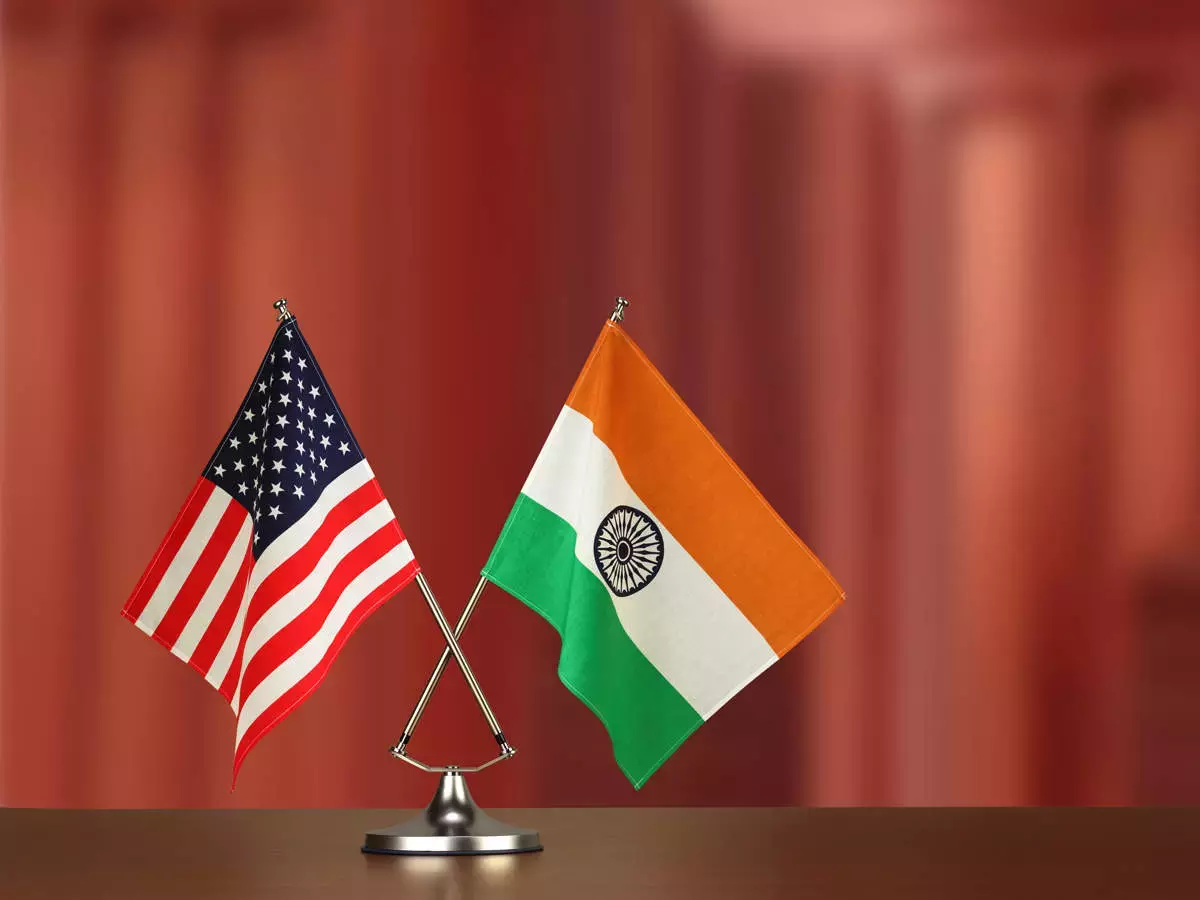
Chennai: The US–India trade deal grants India tariff relief and deeper market access but binds it to a $500 billion import commitment and an oil ban, tilting leverage toward Washington. While India gains tactical export wins, the pact risks eroding its trade surplus and constraining strategic flexibility in energy and manufacturing, finds brokerage firm Systematix.
The deal provides tariff relief, reducing effective US duties on Indian exports to 18 per cent, which is below competitors' rates. Removal of national-security tariffs on Indian aircraft and parts, plus a preferential quota for automotive parts, supports aviation and manufacturing growth.
The 10-year defense cooperation framework enhances strategic ties, but it remains unclear whether it implies an expectation of diverting purchases from Russia and France, and whether US dependency will also entail technology transfer and supply chain resilience.
The agreement also requires India to dismantle non-tariff barriers in medical devices, ICT goods, and food and agriculture within six months, adopting US or international standards, which could expose sensitive sectors to competition.
While the Indian side had assured that agriculture would remain protected, the inclusion of agri and food items in the near zero-tariff list indicates US expectations for market access and could spark domestic backlash, as farmer groups have warned of price undercutting in maize, soybean, dairy, and nuts. The lack of details on the services front, including H-1B visas and digital trade rules, leaves the IT sector vulnerabilities unaddressed.
The agreement is touted as mutually beneficial on paper, fostering deeper economic and security alignment amid global tensions. For the US, it secures market entry, seeks to eliminate trade deficits with India, and curbs Russian influence via energy redirection. For India, it offers export relief but at a strategic cost, economic dependencies on US supplies, defense, competition for Indian manufacturing, including farm products, and global energy sourcing freedom.
Long-term sustainability depends on implementation, and the monitoring provisions give the US ongoing leverage, risking re-escalation if India resumes Russian oil imports. This deal reflects "America First" priorities, with India gaining tactical wins but conceding on geopolitical flexibility, necessitating careful domestic management to avoid political fallout.
Read the full article
Continue reading on deccanchronicle.com
More from deccanchronicle.com

11 minutes ago
MINING INDABA 2026: Enough kindling left to stoke gold’s fire throughout 2026

14 minutes ago
UK govt to end asylum hotels for refugees from Nigeria, others
14 minutes ago
EPL: Rosenior confirms Reece James fit as Chelsea prepare for Leeds clash

14 minutes ago