3 min read
Inside the $140M Milano Winter Olympic Village: Is This the End of “Disposable” Architecture?
decoist.com
Sunday, February 8, 2026

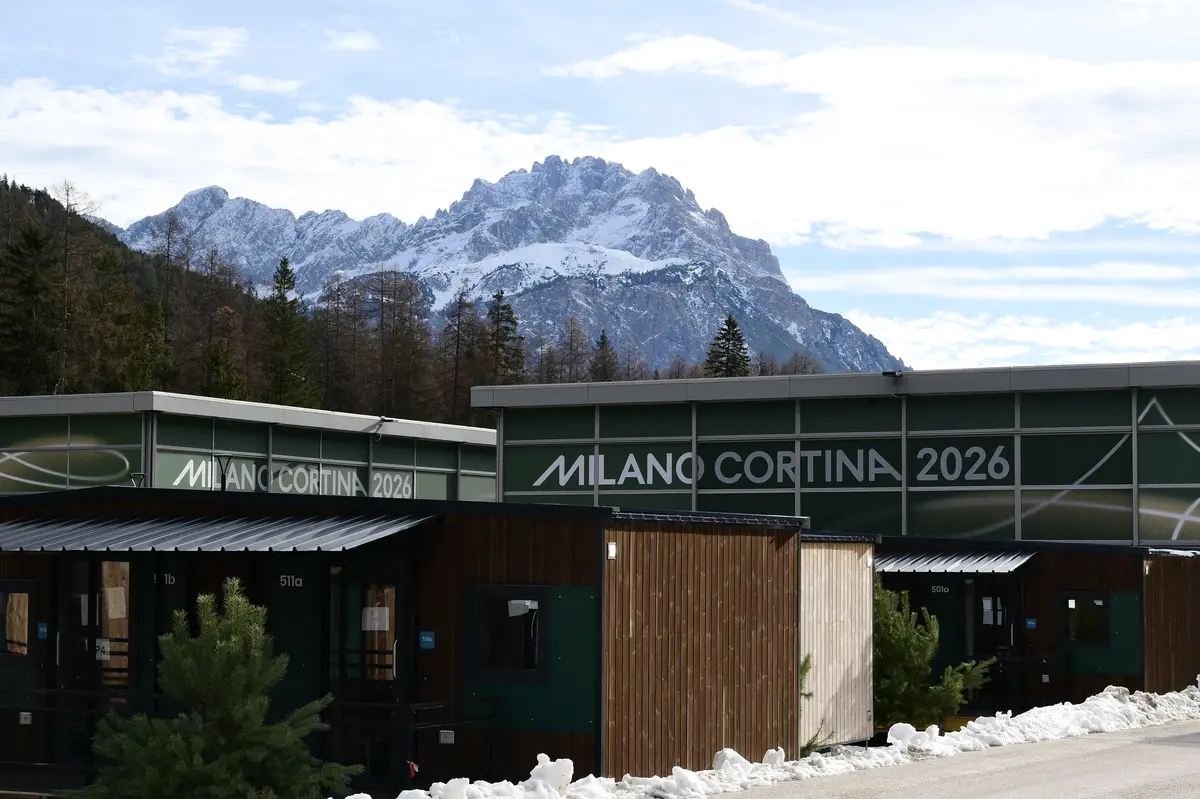
Photo Credit: Maja Hitij via Getty Images When we think of Olympic villages, we usually picture “pop-up” housing—functional, fast, and ultimately forgotten. However, the Milano Olympic Village, a cornerstone of the Milano Cortina 2026 games, is staging a design revolution. With ...
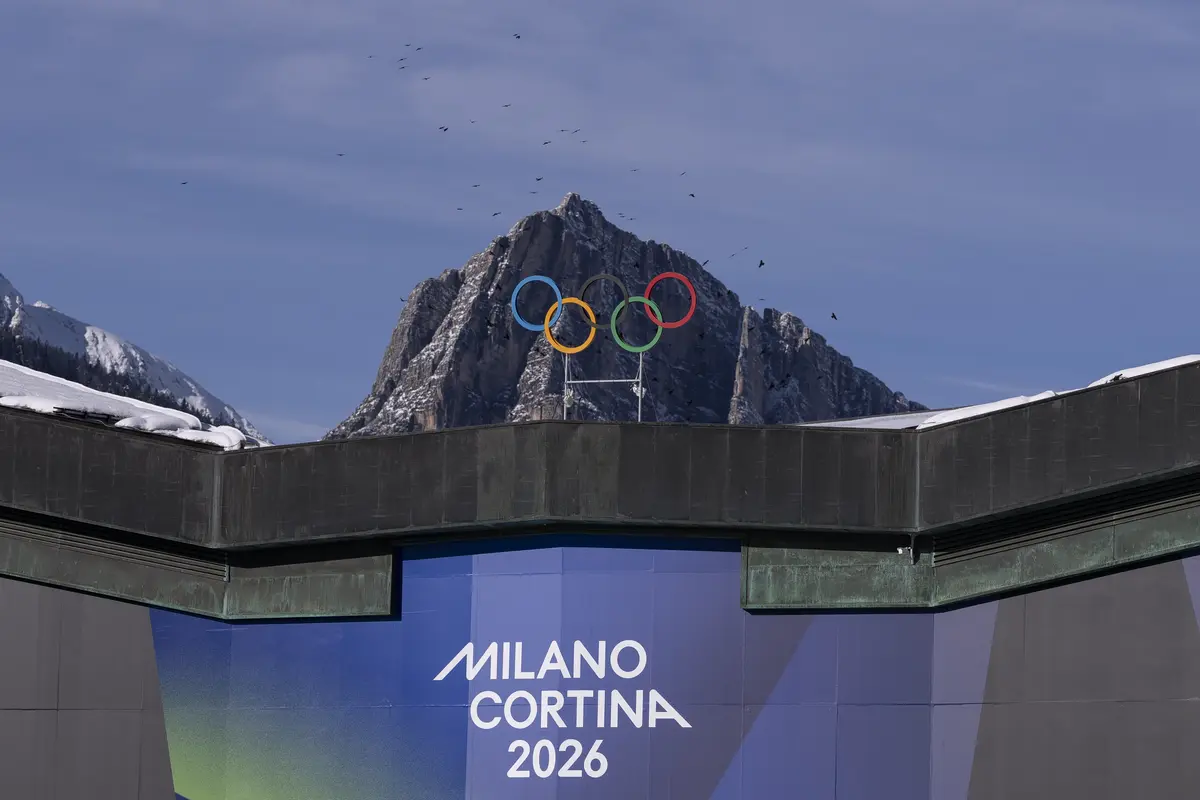
When we think of Olympic villages, we usually picture “pop-up” housing—functional, fast, and ultimately forgotten. However, the Milano Olympic Village, a cornerstone of the Milano Cortina 2026 games, is staging a design revolution. With a staggering $140 million investment, Milan is pivoting away from short-term spectacle toward a concept designers are calling “Sustainable Chic.”
This isn’t just a dormitory for athletes; it is a masterclass in urban renewal that answers the burning question: How do we build for the future without sacrificing the soul of a city?
The “Sustainable Chic” Aesthetic: Redefining Urban Luxury
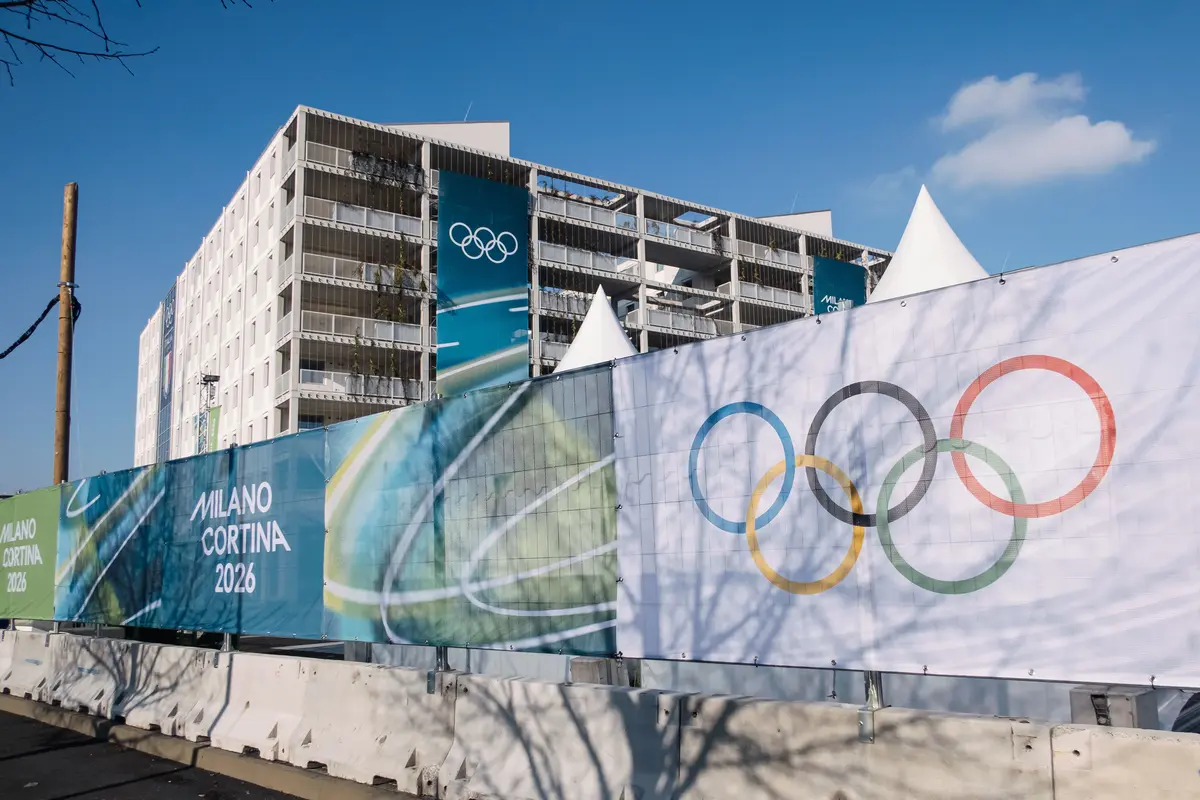
The aesthetic of the village is a departure from the flashy, high-tech façades of the past. Instead, it embraces a restrained, sophisticated minimalism that feels more like a boutique hotel than an athletic complex.
- Natural Materials: The use of wood accents and recycled concrete provides a tactile, “warm” minimalism.
- Light as a Resource: Floor-to-ceiling high-performance glass isn’t just for the views; it’s a strategic move to maximize daylight harvesting.
- Muted Palettes: By using timeless, earthy tones, the architecture avoids looking “dated” the moment the closing ceremony ends.
Why Designers Are Paying Attention: This project shifts the focus from “iconic silhouettes” to human-centered design. It’s about creating spaces people actually want to inhabit, not just photograph.
From Athlete Housing to Student Living: The Ultimate Pivot
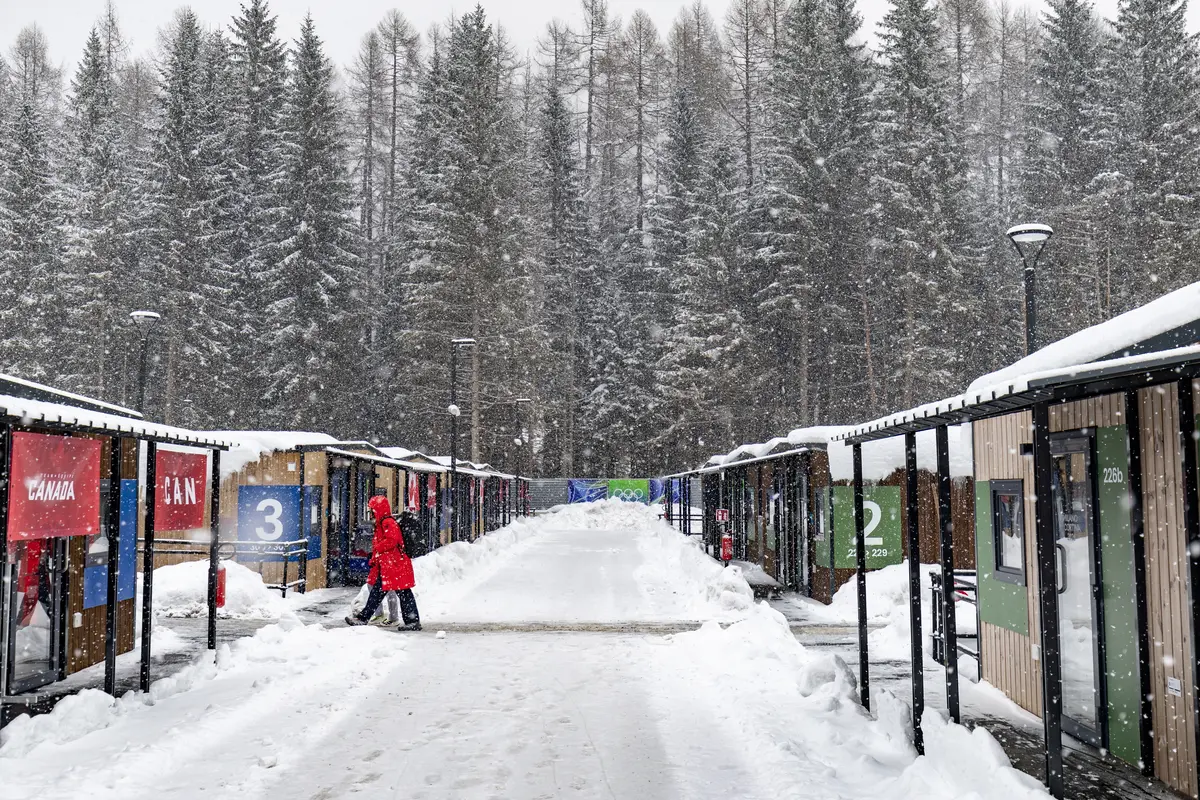
Unlike the “White Elephants” of previous Games (think Rio or Athens), Milan’s village was conceived as a permanent neighborhood first and a village second.
A Blueprint for Urban Renewal
Once the 2026 Games conclude, the site will undergo a seamless transition into:
- Affordable Housing: Tackling the urban housing crisis.
- Student Residences: Providing high-quality living for Milan’s vibrant academic community.
- Public Green Spaces: Functioning as “urban lungs” to combat heat islands.
By designing the interiors with flexible layouts from day one, the developers are avoiding the massive carbon footprint usually associated with post-Olympic renovations.
Technical Innovation: High-Performance, Low-Impact
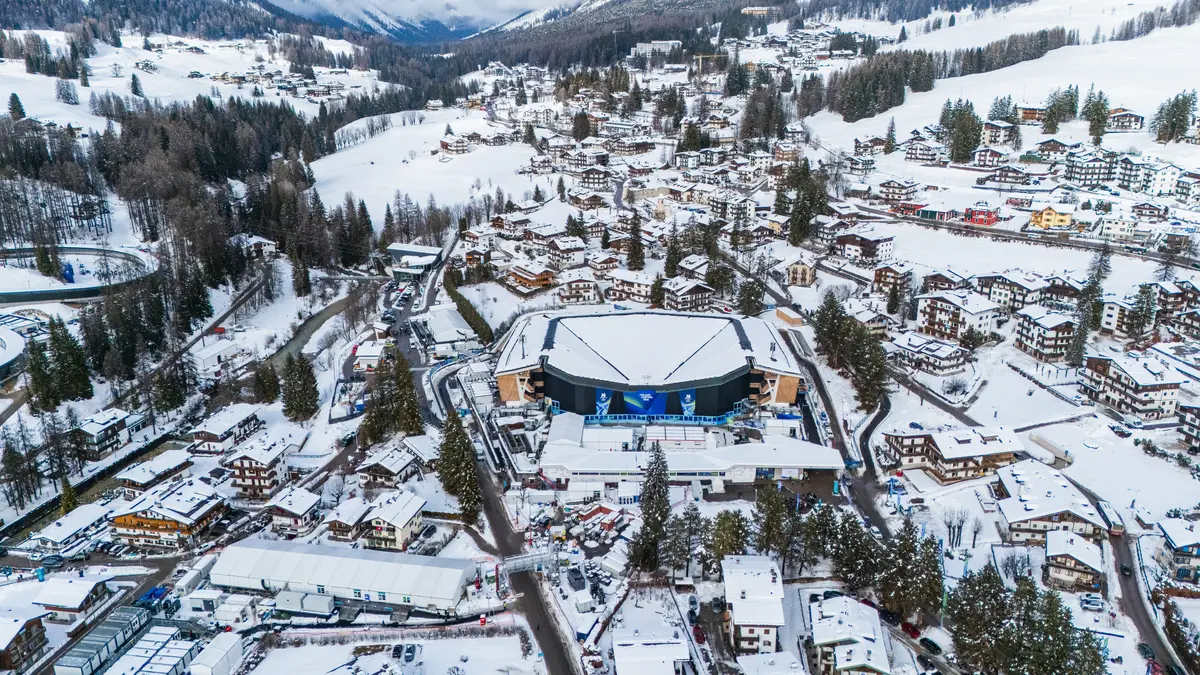
Behind the “chic” exterior lies a rigorous technical core designed to meet stringent climate goals.
| Feature | Impact on Urban Living |
| Smart Climate Control | Reduces energy waste by adapting to real-time occupancy. |
| Functional Green Buffers | Woven courtyards that naturally cool the buildings. |
| Low-Emission Concrete | Significantly lowers the embodied carbon of the $140M build. |
Why the Milano Olympic Village is a Global Model
As cities worldwide grapple with housing shortages and the climate crisis, Milan’s “Build Once, Use Forever” philosophy is the new gold standard. It proves that sustainable design doesn’t have to look industrial or “crunchy”—it can be refined, elegant, and deeply aspirational.
Milan is showing the world that the most sustainable building is the one that never needs to be torn down.
You're reading Inside the $140M Milano Winter Olympic Village: Is This the End of “Disposable” Architecture?, originally posted on Decoist. If you enjoyed this post, be sure to follow Decoist on Twitter, Facebook and Pinterest.
Read the full article
Continue reading on decoist.com

