3 min read
5 things to know about UK’s new passport rules for dual citizens
vanguardngr.com
Friday, January 30, 2026
Millions of UK citizens live overseas, and for years many dual nationals have quietly entered the country on foreign passport—but that long-standing flexibility is about to end. As the U.K. rolls out its new Electronic Travel Authorisation (ETA) system, British and Irish dual nationals wil...
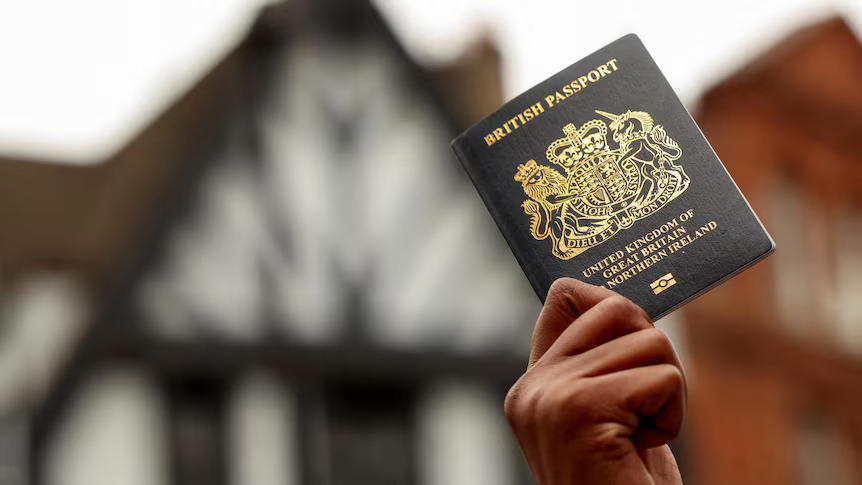
Millions of UK citizens live overseas, and for years many dual nationals have quietly entered the country on foreign passport—but that long-standing flexibility is about to end.
As the U.K. rolls out its new Electronic Travel Authorisation (ETA) system, British and Irish dual nationals will face stricter, and potentially costly, rules when returning to the U.K.
Here’s what you need to know.
1. Dual nationals will no longer be able to enter the U.K. on a foreign passport alone
From February 25, 2026, British and Irish dual citizens will generally have to enter the U.K. using their British or Irish passport.
If a dual national attempts to travel on a foreign passport—such as a U.S., Canadian, Australian, or EU passport—they will be denied boarding unless they also hold a paid Certificate of Entitlement, which proves their right of abode in the U.K.
This marks a major shift for dual citizens who have long relied on non-British passports to travel.
2. The Change Is Being Driven by the U.K.’s New ETA System
The new rules are tied directly to the U.K.’s Electronic Travel Authorisation (ETA) rollout.
The ETA, similar to the U.S. ESTA system, requires visitors from visa-free countries to purchase a £16 digital travel permit valid for two years. It allows stays of up to six months for tourism, business, or short-term work.
However, British and Irish dual citizens cannot apply for an ETA. Because the ETA will be mandatory for foreign passports, the government is now enforcing passport-specific entry rules to close that loophole.
3. Some Dual Citizens Could Find Themselves Locked Out of the U.K.
For dual nationals who already hold a valid British or Irish passport, the change is mostly an administrative inconvenience.
The real risk falls on those who do not currently have a British passport, including:
- People born overseas to British parents
- Dual nationals who have never registered their British citizenship
- Long-term expatriates who let their U.K. passport expire years ago
Without proof of British citizenship, these individuals cannot get an ETA and may be stopped before even boarding a flight or ferry to the U.K.
4. The Alternative Proof of Entry Is Expensive
If a dual national does not want—or cannot obtain—a British passport, the only alternative is a Certificate of Entitlement to the Right of Abode.
This document:
- Costs £589 (nearly $800)
- Must be renewed every time the passport it’s attached to expires
- Must be presented alongside a foreign passport when traveling
For many dual citizens, renewing a British passport is significantly cheaper, faster, and simpler than maintaining this certificate.
5. Dual Citizens Have Limited Options—And Should Act Early
To comply with the new rules, dual nationals effectively have four choices:
- Travel using a British or Irish passport
Renewing a U.K. passport costs £94.50 inside the U.K. and more abroad, with processing times of several weeks. - Apply for a Certificate of Entitlement
A legal but costly solution for those unwilling or unable to obtain a British passport. - Register British citizenship (if eligible)
Those born abroad to British parents may need to formally register before applying for a passport. - Renounce British citizenship
A drastic step, but one that would allow travel using a foreign passport and ETA.
In limited emergency cases, travelers may apply for a one-time emergency travel document, but this is not a long-term solution.
The post 5 things to know about UK’s new passport rules for dual citizens appeared first on Vanguard News.
Read the full article
Continue reading on vanguardngr.com


